
Missouri Terrazzo gives commercial interiors a durable, design-flexible, and cost-effective flooring solution. You face real selection decisions on every project, and this guide answers the questions architects and designers ask most. Expect a practical decision framework. You will match terrazzo systems to project type, traffic, budget, and performance goals with confidence. Locally sourced Missouri aggregates also give the material a distinct regional character. Consider that character early in design, when your palette and layout still have room to move. The right system choice starts here.
Key Takeaways
- Missouri Terrazzo floors last for decades and resist heavy traffic, saving money over time.
- Choose epoxy terrazzo for fast schedules and cement terrazzo for wet areas or classic looks.
- Use local Missouri aggregates to give your floor a unique regional identity.
- Specify industry standards and require a mockup to ensure quality and avoid surprises.
- Hire an experienced terrazzo contractor and involve them early for a smooth project.
Why Missouri Terrazzo Works
Durability and Lifecycle Strength
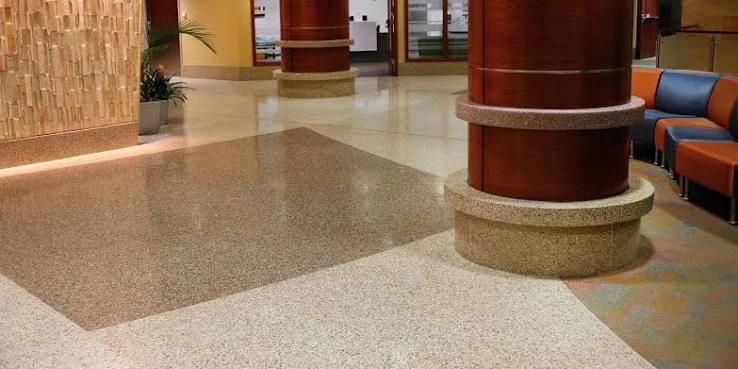
Commercial floors take punishment every day. Hotel lobbies absorb rolling luggage and constant foot traffic. Retail spaces handle carts and dense crowds. Schools and medical facilities demand surfaces that resist scuffs, stains, and repeated cleaning. Terrazzo meets these demands well. You get a hard, seamless surface with joints kept to a minimum, so dirt has fewer places to collect. The material wears evenly instead of showing traffic lanes, and it holds its appearance through years of use. That resilience translates into fewer replacements and a longer service life than many alternative finishes.
Lifecycle strength also comes from how the floor ages. A terrazzo surface can be restored through grinding and polishing rather than torn out and replaced. You plan maintenance around routine cleaning and periodic refresh, not full-scale renovation. For owners who track cost of ownership, that long horizon matters as much as the initial appearance.
Design Flexibility and Regional Character
Terrazzo accepts almost any design intent. You can specify aggregate size, color blends, pigment tones, divider layouts, and custom patterns. Logos, wayfinding graphics, and artwork all become part of the floor itself. Missouri terrazzo adds another layer. Locally sourced Missouri aggregates bring distinctive stone colors and textures to the mix, and that regional character ties a building to its place. Early in design, you can build a palette around those aggregates and give the interior a signature look that stock materials cannot match.
This flexibility sets up the real decision ahead. System choice, design development, and specification all follow from understanding what the material can do. The next sections compare epoxy and cement systems so you can match performance and budget to your project.
Epoxy vs. Cement Systems
Performance and Application Fit
Both systems share the same terrazzo aggregate and the same polished finish. The binder is where they differ, and that difference drives your application decisions. Epoxy systems cure fast and tolerate tight schedules. They bond well to properly prepared substrates, resist moisture, and handle chemical exposure in food service, healthcare, and laboratory settings. Cement systems bring their own strengths. They suit wet areas, exterior-adjacent spaces, and projects that call for a traditional terrazzo character. Cement also handles moisture vapor transmission more forgivingly in some slab conditions.
| Consideration | Epoxy System | Cement System |
|---|---|---|
| Cure speed | Fast; supports compressed schedules | Slower; needs longer protection windows |
| Moisture tolerance | Good resistance to moisture and chemicals | Traditional choice for wet and exterior-adjacent areas |
| Best fit | Retail, healthcare, food service, fast-track interiors | Lobbies, institutional floors, spaces needing classic terrazzo character |
| Finish character | Consistent, dense surface | Traditional depth and warmth |
Match the system to the room, not to habit. A fast-track retail rollout favors epoxy. A hotel lobby with a generous schedule and a classic palette may favor cement. Neither choice is wrong when the schedule, substrate, and service conditions line up.
Cost Profiles and Budgeting
First cost depends on more than the binder. Aggregate selection, divider complexity, substrate condition, and project size all move the number. Epoxy systems often carry a lower installed cost profile because fast cure reduces schedule pressure and site overhead. Cement systems can carry a higher labor profile, since installation and curing take longer and demand careful protection from other trades.
Budget at the system level, not the square-foot level alone. Ask your contractor to price the full assembly: substrate prep, membrane, binder, aggregate, grinding, polishing, and protection. Compare those totals against your schedule. A system that saves on material but adds weeks of trade coordination may cost more in the end. A premium aggregate blend may justify its cost through design impact in a signature lobby. Build a contingency for substrate repair, because existing slabs rarely arrive in perfect condition. Review the budget against lifecycle expectations as well. The next sections cover design development and specification, where these early decisions become drawings and documents.
Designing with Missouri Terrazzo

Aggregate and Color Strategy
Aggregate selection sets the visual foundation of your floor. You choose stone type, size, and blend ratio to control texture and movement across the surface. Missouri terrazzo offers locally sourced aggregates with distinctive regional tones, and those tones give a commercial interior a sense of place. Pair large aggregates with a quiet pigment for a bold, grounded look. Choose finer chips and a lighter matrix for a subtle, uniform field.
Pigment strategy works alongside aggregate choice. You can match a brand palette, echo surrounding materials, or build contrast between field and feature areas. G·ONE supplies regular, recycled, and mosaic terrazzo, plus custom colors and aggregate blends. Request free samples and a design consultation to test combinations under your project lighting before you commit.
Dividers, Patterns, and Layout
Dividers organize a large floor into readable zones. You place them to frame entries, separate circulation from gathering space, and control the scale of the pattern. Layout follows the architecture. Align dividers with column grids, storefronts, and door openings so the floor reinforces the plan rather than fighting it.
Patterns and custom features carry design intent further. Logos, wayfinding graphics, and artwork become permanent parts of the surface through mosaic terrazzo and custom molds. G·ONE supports commercial architects with custom fabrication, so a signature graphic or an irregular shape stays achievable. Develop the layout early, confirm it on a sample panel, and coordinate divider locations with other trades before installation begins.
Specification Essentials
Substrate Prep and Coordination
Your specification succeeds or fails below the surface. Terrazzo bonds to the slab, so substrate condition drives the final result. Specify flatness, soundness, and cleanliness requirements in the documents. Require the contractor to survey the slab, repair cracks and spalls, and confirm moisture conditions before installation. A moisture membrane belongs in the assembly when site conditions call for one. Write these requirements into the specification so every bidder prices the same scope.
Coordination with other trades protects the finished floor. Terrazzo installation needs a clean, dry, and secure site. Sequence the work so wet trades finish first and heavy traffic stays off the floor during curing. Define protection requirements clearly. Grinding and polishing generate dust and slurry, so plan containment and housekeeping with the general contractor.
Mockups turn specification language into a shared reference. Require an approved mockup on site, in the actual lighting, with the specified aggregate blend and finish. The mockup sets the visual standard for the whole project. It also exposes substrate problems early, when correction costs less. Keep the approved mockup as the benchmark for final acceptance.
Standards and Quality Assurance
Reference recognized industry standards in your specification. The National Terrazzo and Mosaic Association (NTMA) publishes installation standards and complete specification guides. Cite the NTMA guide by name and edition, and adopt its requirements for materials, mixing, installation, and finishing. Named standards give bidders a common baseline and give you a defensible basis for inspection and acceptance.
Quality assurance extends beyond the standard document. Specify contractor qualifications, including NTMA membership or equivalent terrazzo experience. Require submittals for aggregate samples, binder products, and divider profiles. Define inspection points at substrate acceptance, installation, and final polish. Hold a pre-installation meeting with all trades to confirm sequence and protection.
G·ONE supports this documentation work directly. Their digital catalogs and technical specifications give you product data ready to drop into project manuals. Their engineering team answers questions on assembly details, substrate requirements, and custom fabrication. Early collaboration with that team shortens the specification review cycle and reduces the risk of substitutions later.
A complete specification ties these threads together. State the standard, name the products, require the mockup, and define acceptance. Your documents then carry the design intent from drawing to finished floor without ambiguity.
Sustainability and LEED
Transparency and Recycled Content
Material transparency gives your project team the data it needs to make defensible green building choices. Request product documentation early. Ask for material ingredient information, recycled content figures, and environmental product declarations (EPDs) where available. G·ONE incorporates recycled resources into its terrazzo products and supplies environmental documentation to support project submittals. You can then credit those attributes in your sustainability narrative with confidence.
Recycled content strengthens the case further. Terrazzo naturally accommodates recycled glass, stone, and other aggregate sources without sacrificing appearance or performance. Specify the recycled content you need and confirm it on the submittal. Document the source and percentage so your team can report it accurately. Transparency plus verified recycled content turns a flooring choice into a measurable contribution to your project’s environmental goals.
IEQ and Service Life
Indoor environmental quality affects the people who occupy your building every day. Terrazzo brings a seamless surface with minimal joints, so it offers fewer places for dust and allergens to collect. Routine cleaning needs only standard methods, and the floor does not require coatings that off-gas over time. Specify low-emitting binders and sealers, and confirm those products on the submittal. Your occupants then get a floor that supports cleaner indoor air throughout the building’s life.
Long service life is itself a sustainability strategy. A terrazzo floor that lasts for decades avoids the material waste, demolition debris, and replacement cycles of shorter-lived finishes. You can restore the surface through grinding and polishing instead of removal. That extended horizon reduces embodied impacts spread across the building’s operation. Pair durability with transparent documentation, and your specification supports both environmental goals and long-term owner value.
Cost and Lifecycle Analysis
First-Cost Factors
Several variables drive the installed cost of a terrazzo floor. Aggregate selection matters first. Exotic or imported stone blends raise material cost, while locally sourced Missouri aggregates keep freight and sourcing simple. Divider complexity adds labor, since each divider line demands layout time and careful placement. Substrate condition carries real weight as well. A sound, flat slab needs less repair, and a damaged slab can shift the budget quickly. Project size and schedule also shape the number, because large floors spread setup costs across more area and compressed schedules may require premium labor hours.
Budget at the assembly level rather than the square-foot level alone. Ask your contractor to price substrate prep, membrane, binder, aggregate, grinding, polishing, and protection as one package. Compare that total against your schedule and your design goals. Build a contingency for substrate repair, because existing slabs rarely arrive in perfect condition. A clear scope from the start keeps bids comparable and prevents mid-project surprises.
Lifecycle Value and Maintenance
Terrazzo rewards owners over a long horizon. The surface wears evenly, resists stains, and holds its appearance through years of heavy traffic. Routine maintenance stays simple: standard cleaning with neutral products and periodic polishing to restore gloss. You avoid the strip-and-wax cycles that shorter-lived finishes demand. Plan a maintenance schedule at handover so the facilities team knows the routine from day one.
Restoration extends the value further. When the floor shows wear, grinding and polishing renew the surface instead of replacement. That approach avoids demolition debris, material waste, and the disruption of a full renovation. Spread across a long service life, the cost of ownership compares favorably with finishes that need replacement every few years. Pair a realistic first-cost budget with a lifecycle plan, and your terrazzo investment pays back through durability and low long-term upkeep.
Choosing a Terrazzo Contractor
Qualifications to Verify
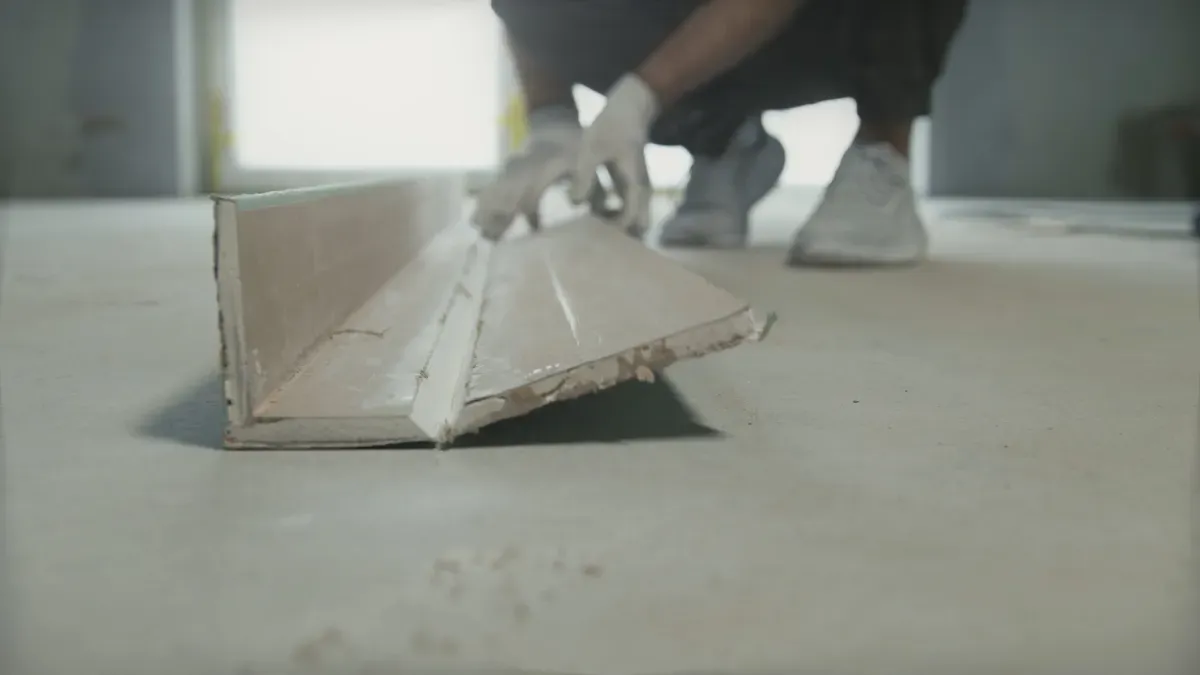
The crew behind the floor determines the outcome as much as the specification does. Verify terrazzo-specific experience first. Ask for a project list with comparable scope, traffic levels, and system types, then call those references. Confirm the contractor holds current NTMA membership or can document equivalent terrazzo credentials. Check that the assigned crew, not just the company, has installed your chosen system recently.
Bring a focused set of pre-bid questions to every interview:
- Which terrazzo systems do you install most often, and where does each fit best?
- How do you survey and repair substrates before installation?
- Who supervises grinding, polishing, and final acceptance?
- What protection plan do you use while other trades remain on site?
Clear answers signal a contractor who plans the work. Vague answers signal risk.
Pre-Bid Questions and Collaboration
Collaboration starts before the bid. G·ONE supports project teams from material selection through fabrication. Request free samples and a design consultation early, so your palette and aggregate blend are settled before contractors price the work. Ask G·ONE for a quotation alongside your contractor bids, and confirm lead times against your schedule.
Fabrication support carries the design intent into production. G·ONE handles CNC cutting and edge processing for precise divider profiles, trims, and custom shapes. Their custom molds turn logos, artwork, and irregular geometries into achievable scope. For facades and exterior applications, UHPC panels and blocks extend the same design language beyond the floor. Loop your contractor into these conversations. A pre-bid meeting with the installer, the fabricator, and your design team resolves interface questions early and keeps every bid comparable.
You now hold a clear decision framework. Match the terrazzo system to project demands, traffic, and schedule. Use Missouri aggregates to achieve your design intent and give the interior a regional identity. Specify with named standards and an approved mockup. Plan for lifecycle value from the first budget conversation.
Missouri terrazzo delivers durability, design flexibility, and cost-effectiveness for commercial work. Those strengths depend on thoughtful selection and specification. Bring your questions early, and the material rewards you for decades.
Consult G·ONE for system selection, free samples, and specification support on your next commercial project. Their team stands ready to help you build with confidence.
FAQ
Which system suits a fast-track commercial schedule?
Epoxy terrazzo cures quickly and tolerates compressed timelines. Choose it for retail rollouts and fast-track interiors. Cement systems need longer protection windows. Match the binder to your schedule, substrate, and service conditions before you commit.
Can I test colors and aggregates before specifying?
Yes. Request free samples and a design consultation. Test aggregate blends and pigments under your project lighting. An approved mockup then sets the visual standard for the finished floor.
How does missouri terrazzo support sustainability goals?
Locally sourced aggregates reduce freight distance. Recycled content and environmental documentation support your submittals. The long service life and restorable surface cut replacement cycles over time.
What documentation should I request for submittals?
Ask for material ingredient information, recycled content figures, and EPDs where available. G·ONE supplies digital catalogs and technical specifications ready for project manuals. Their engineering team answers assembly and substrate questions.
How early should I involve the fabricator?
Bring G·ONE in before the bid. Early collaboration settles palette, aggregate blend, and lead times. CNC cutting, edge processing, and custom molds then carry your design intent into production without mid-project surprises.