
Your terrazzo flooring once gleamed with elegance, but now you notice dull patches, stubborn stains, or hairline scratches. You face a critical decision: replace or restore? Most homeowners and facility managers choose terrazzo floor restoration, and for good reason.
Restoration costs $5–$12 per square foot, while replacement runs $25–$50 or more. That translates to savings of 70–80% in most cases. Beyond cost, you must weigh damage severity, environmental impact, and aesthetic preservation.
Restoration: $5–$12 per sq ft (2–5 days, minimal disruption). Replacement: $25–$50+ per sq ft (weeks of downtime). In most cases, restoration saves 70–80% compared to replacement.
This guide examines each factor, helping you make an informed decision about your precious terrazzo.
Key Takeaways
- Restoration costs 70 to 80 percent less than full replacement.
- Professional grinding removes scratches, stains, and minor cracks.
- Replacement is only necessary for severe structural damage.
- Restoration reduces landfill waste and lowers carbon footprint.
- Restoration preserves the original craftsmanship and unique patina.
Signs Your Terrazzo Flooring Needs Restoration
Your terrazzo floor sends clear signals when it needs attention. Professional inspectors look for several telltale signs that indicate your surface has lost its original luster. Recognizing these warning signs early helps you decide whether to replace or restore before minor issues escalate into major problems.
Surface Scratches and Stains
The most obvious indicator of wear is a dull, lifeless appearance. Foot traffic gradually wears away the polished surface, leaving your terrazzo looking flat and hazy instead of glossy. You might notice light scratches that scatter light across the surface, or deeper grooves that penetrate down to the aggregate layer beneath. These scratches accumulate over time, especially in hallways, entryways, and other high-traffic zones where dirt particles act like sandpaper underfoot.
Stains present another common challenge. Acidic spills from wine, citrus juices, or cleaning products can etch the surface, leaving permanent marks. Rust from metal furniture or fixtures creates stubborn orange discoloration that seems impossible to remove. Porous cementitious terrazzo absorbs these substances readily, making stains particularly problematic if you ignore them.
The good news? Terrazzo restoration addresses nearly all of these surface imperfections. The grinding process removes the top layer of the floor entirely, revealing a fresh, undamaged surface beneath. This single step eliminates scratches, stains, etching, chemical damage, and those unsightly wear patterns from foot traffic all at once. Professional crews using planetary grinders achieve remarkable results—one restoration company reports a 99% success rate removing even the most stubborn pad glue stains using a 400-pound machine with aggressive down force.
After grinding, honing and polishing bring back the original color and clarity. Your floor emerges looking factory-fresh, with a smooth, reflective surface that rivals its original installation.
Minor Cracks and Chips
Small cracks and chips often appear around edges, corners, or where heavy objects have dropped. You might also notice divider strips that have become loose, bent, or corroded, creating trip hazards and collecting dirt in the gaps. These imperfections look concerning, but they rarely compromise the structural integrity of your terrazzo flooring.
Professional repair follows a straightforward process. First, technicians assess the damage and clean the cracked area thoroughly to remove debris and dust. Next, they fill the cracks with a color-matched epoxy filler compatible with your terrazzo binder. For the best results, they mix five parts epoxy with one part hardener, adding 30–35 pounds of aggregate per gallon to match your floor’s unique composition. After the filler sets, diamond grinding levels the repair with the surrounding surface, followed by polishing to blend everything seamlessly.
This repair approach restores both appearance and structural soundness. When technicians properly repair minor cracks using color-matched fillers and grinding techniques, the floor maintains its full structural integrity. The repaired area becomes as strong as the original terrazzo, provided the underlying substrate remains sound. Deep, widespread cracks that signal structural movement require different treatment, but isolated chips and hairline fractures respond beautifully to this method.
Addressing these signs early through terrazzo restoration prevents more costly problems later. A small chip left untreated can collect moisture, leading to delamination or aggregate loosening. A minor scratch can deepen with continued traffic. By acting promptly, you preserve your floor’s beauty and avoid the expense of replacement.
When Replacement Is the Only Option
You now understand that most terrazzo issues respond well to restoration. However, you must recognize the rare situations where restoration simply cannot save your floor. These exceptions involve damage that goes far beyond surface appearance. Understanding these limits helps you make the right call when facing the replace or restore decision.
Severe Structural Damage
Structural damage presents a completely different challenge than surface wear. You might notice wide cracks that run completely through the terrazzo layer and continue into the concrete slab beneath. These cracks often signal foundation settlement or soil movement. You might also observe sections where the terrazzo has delaminated—meaning it has separated from the underlying substrate entirely. When you tap these areas, they produce a hollow sound that indicates a complete loss of bond.
Restoration cannot address these problems. Grinding and polishing only work on the surface layer. If the structural base has failed, your floor will continue to shift, crack, and deteriorate no matter how much you polish the top. You might also face issues with the subfloor itself, such as severe moisture intrusion or extensive termite damage. These conditions compromise the entire flooring system, not just the visible terrazzo layer.
In these cases, you must replace terrazzo flooring completely. The process involves removing the damaged terrazzo, repairing or replacing the substrate, and installing new material. This approach costs significantly more than restoration, but it provides the only lasting solution for structurally compromised floors. Remember that these situations remain the exception rather than the rule. Most terrazzo floors, even those several decades old, retain sound structural integrity.
Extensive Missing Sections
You might encounter areas where terrazzo has disappeared entirely. Large sections might have been removed during previous renovations, or they might have deteriorated beyond recognition due to years of neglect. When you face missing sections larger than a few square feet, patching becomes impractical.
The challenge lies in matching. Your existing terrazzo contains a specific aggregate blend—particular stone types, sizes, and colors mixed in a unique ratio. The binder color and matrix composition also reflect the original installation era. When you attempt to patch a large missing section, you must replicate this exact appearance. Even skilled technicians struggle to match terrazzo flooring that has aged and developed its characteristic patina over decades. The new patch will likely stand out as a visible scar on your floor.
Additionally, extensive missing sections often indicate underlying problems. If large portions of your terrazzo have failed, the substrate beneath likely requires attention as well. You might discover uneven subfloor levels, inadequate reinforcement, or moisture barriers that have failed. These issues require comprehensive solutions that go beyond surface repair.
When you face this level of damage, full replacement becomes the practical choice. You gain the opportunity to install new terrazzo with modern materials and techniques. You can select fresh aggregate blends and contemporary color schemes. While you lose the historical character of the original floor, you gain a completely new surface with decades of service life ahead.
The key takeaway: replacement serves as the last resort. You should exhaust all restoration and repair options first. Consult a professional who can assess your specific situation and provide honest guidance. In most cases, you will find that restoration delivers the results you need at a fraction of the cost.
Cost Comparison: Terrazzo Restoration vs. Replacement
When you compare the numbers, the choice becomes clear. Terrazzo floor restoration costs significantly less than tearing out and starting over. The difference extends far beyond the initial price tag. You must consider hidden expenses, project timelines, and long-term value.
The True Cost of Replacement
The visible price of replacement already looks steep. You pay $25 to $50 or more per square foot for new materials and installation. But that number does not tell the whole story. You face several hidden costs that drive the total much higher.
Demolition of your existing floor costs $1 to $3 per square foot alone. This process requires specialized equipment. This removal work is closer to concrete demolition than tile removal. The heavy machinery and labor-intensive work add significant expense. You also need subfloor preparation, which includes grinding and applying an epoxy primer. This step costs more in renovation projects than in new construction. If moisture levels test high, you must install a vapor barrier at $1.50 to $2.00 per square foot.
These extra costs pile up quickly. A project that seems priced at $30 per square foot can easily exceed $40 with all the necessary preparation work. You also face weeks of disruption while workers remove the old surface, prepare the substrate, and install new material. In most cases, full replacement becomes the most expensive option by a wide margin.
The Value of Professional Restoration
Professional terrazzo restoration offers a smarter path. The process costs $5 to $12 per square foot. You save 70 to 80 percent compared to replacement. The work takes only two to five days with minimal disruption to your daily activities.
A restored floor achieves a high-gloss finish without the need for coatings or sealers. This natural polish eliminates recurring costs for sealing. The work also improves the surface density. You gain increased durability against future wear and tear. If you have minor damage, professional repair during this process addresses it completely.
The return on investment extends beyond immediate savings. High-quality terrazzo flooring enhances your property’s overall value and appeal. Future buyers or tenants recognize this desirable feature. The initial investment pays off through reduced lifecycle costs. You spend far less on maintenance costs over the decades. Daily care requires only simple sweeping and damp mopping. Periodic polishing costs much less than managing other flooring types.
This material has provided a great return on investment over the years for its longevity and design aesthetics. When you face the replace or restore decision, the cost comparison overwhelmingly favors restoration. You save money, time, and preserve the unique character of your surface.
Environmental Benefits of Terrazzo Restoration
When you choose refinishing over removal, you make an environmentally responsible decision. The sustainability benefits extend far beyond your immediate space. Modern green building practices increasingly favor this approach.
Reducing Landfill Waste
Demolition creates enormous waste streams. Removing a floor fills dumpsters with heavy materials that end up in landfills. The cementitious nature of the surface means it does not break down easily. It occupies landfill space for decades.
Refinishing avoids this entirely. You preserve the existing structure. You eliminate the need for disposal. The LEED green building rating system recognizes this approach. Under credit MRc1.3 Building Reuse, projects earn points by maintaining existing interior elements. The surface typically lasts the life of the structure. With simple repairs and refinishing, your original terrazzo flooring can return to its original luster. Combined with reuse of walls, doors, and ceiling systems, you achieve 50% reuse of non-shell areas.
MRc1.3 Building Reuse Credit (1 point possible) – The surface typically lasts the life of the structure. In many renovation projects, the original flooring has been restored to its original luster following some inexpensive repairs and refinishing. Refinishing can be combined with the reuse of other non-shell areas like walls, doors, and ceiling systems to achieve 50% reuse.
The choice to refinish rather than replace keeps tons of material out of landfills. This directly supports waste reduction goals.
Lower Carbon Footprint
Manufacturing new materials requires significant energy. Producing materials involves mining aggregates, mixing binders, and curing slabs. Each step consumes energy and generates emissions. Transporting these materials to your site adds further carbon impact.
Refinishing bypasses all of this. You use the materials already in place. The grinding and polishing process consumes far less energy than manufacturing new products. The carbon footprint of this process is a fraction of replacement.
The LEED system also credits this approach. Credit MRc1.2 Building Reuse rewards preserving an existing floor. Credit MRc2 Construction Waste Management recognizes projects that avoid demolition debris.
| LEED Credit | Contribution of Refinishing |
|---|---|
| MRc1.2 Building Reuse | The surface lasts the life of the structure; restoration preserves the existing floor, avoiding replacement and earning points for maintaining interior nonstructural elements. |
| MRc2 Construction Waste Management | Refinishing avoids demolition waste; if demolition is required, the components can be salvaged or recycled, reducing landfill debris. |
Growing demand for green building practices makes refinishing increasingly attractive. You contribute to environmental goals while improving your space. The choice to refinish supports sustainability on multiple levels.
Preserving Historical and Aesthetic Value
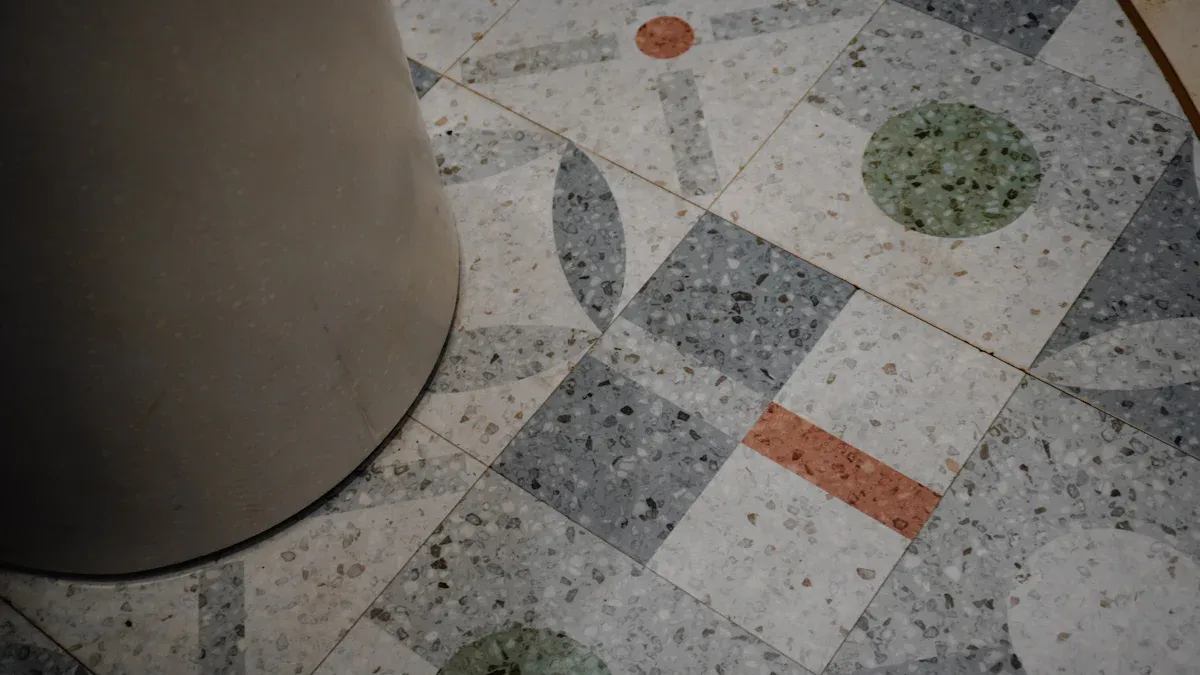
Your terrazzo flooring carries more than surface beauty. It holds the legacy of skilled craftspeople who installed it decades ago. The original aggregate pattern, the divider strip layout, and the unique binder composition all tell a story. When you choose restoration over replacement, you preserve that story.
Maintaining Original Craftsmanship
Professional restoration begins with a careful assessment. Technicians examine your floor for cracks, stains, and prior repairs. They build a plan suited exactly for your surface. This approach protects the original craftsmanship that new materials cannot replicate.
The grinding process uses progressive diamond grit sequences. Technicians move through coarse, medium, and fine grits in stages. This method smooths the surface without removing excessive material. Aggressive grinding would destroy the original surface plane and aggregate pattern. The polishing phase uses finer abrasives to achieve the desired gloss level. By avoiding harsh methods, the restoration preserves the unique aggregate composition that defines your material.
Crack repair also requires precision. Technicians blend marble chips and cement to match the surrounding areas. They use libraries of aggregate samples to match discontinued materials. This attention to detail ensures repairs blend seamlessly with the original work.
Penetrating sealers complete the process. These sealers do not create surface films. They maintain the authentic appearance and stain resistance. High-gloss topical coatings would produce a plastic look inconsistent with historic character. The result is a surface that looks original, not replaced.
The Unique Patina of Age
Age gives terrazzo character that new materials cannot imitate. The Ivy Tech Community College project in Indianapolis demonstrates this principle. The original terrazzo’s natural patina and irregular colors give the floor its well-earned character. The restoration team brought back what was there rather than redoing it.
The Cook County Hospital project in Chicago tells a similar story. Preservation of original cement terrazzo tiles was the priority. The team restored those tiles and carefully matched them with new epoxy terrazzo. They even cut simulated grout joints to replicate the original design.
This patina develops over decades of use and care. It represents the history of the building and the people who walked on it. New materials cannot replicate this quality. They lack the subtle color variations and surface texture that only time produces.
Your craftsmanship and patina add value to your property. A restored terrazzo floor is highly desirable in real estate markets. This choice preserves this value for years to come. Terrazzo restoration gives new life to your original materials.
The Terrazzo Restoration Process
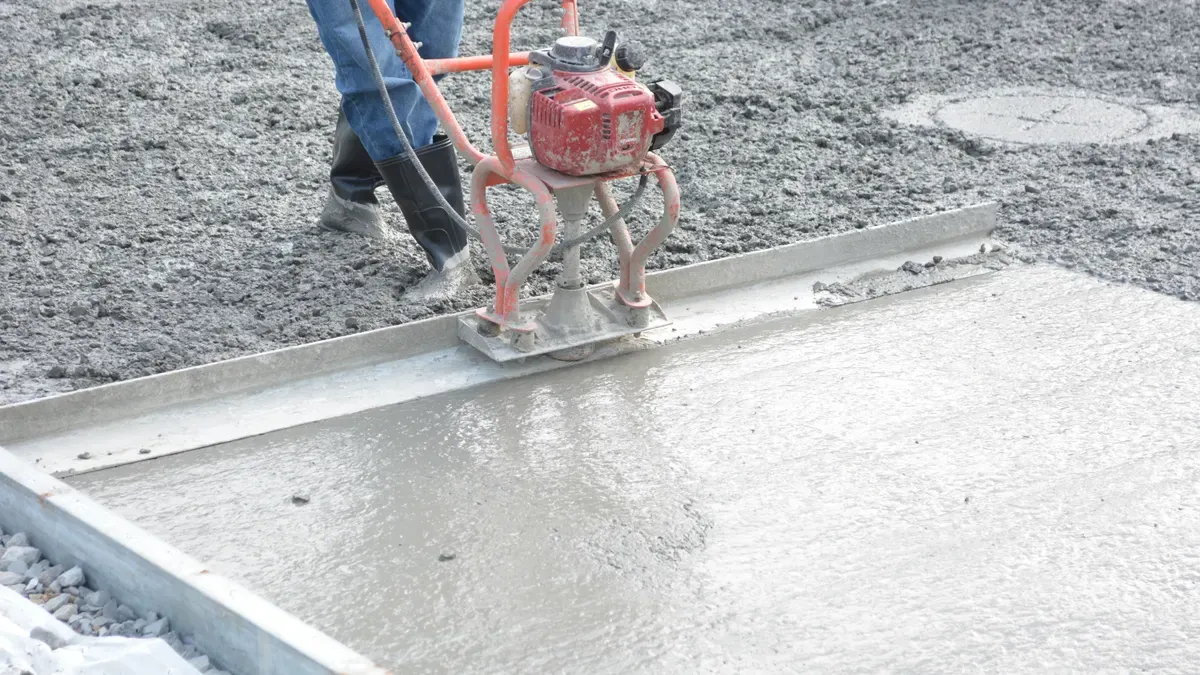
Professional terrazzo restoration follows a systematic sequence that transforms your worn surface into a showpiece. Understanding this process helps you appreciate what technicians accomplish and why professional expertise matters. The entire operation typically completes within two to five days, causing minimal disruption to your daily routine.
Step 1: Assessment and Preparation
Your restoration journey begins with a thorough evaluation. Technicians inspect your floor’s composition, condition, and specific damage patterns. They measure moisture levels to ensure the floor is suitable for restoration. They also classify cracks to determine the appropriate repair method.
This assessment guides every subsequent decision. Technicians map out problem areas, identify previous treatments that might interfere, and determine the correct diamond grit sequence for your specific aggregate composition. Professional services provide this expert evaluation and tailor solutions to your floor’s unique characteristics.
Preparation follows assessment. Technicians strip away old waxes, sealers, and residue using specialized stripping agents. They repair chips and cracks with color-matched epoxy fillers blended with marble chips to match your existing aggregate. They clean the entire surface thoroughly, removing all dirt and dust that could interfere with grinding. This preparation phase ensures the grinding process starts with a clean, stable surface.
Step 2: Grinding, Honing, and Polishing
The transformation happens during grinding. Technicians use heavy-duty machines fitted with diamond-impregnated disks. They begin with coarse grits to flatten the surface and remove scratches. Each pass uses progressively finer diamonds for medium honing, then fine honing. This gradual progression eliminates coarse scratch marks while revealing fresh aggregate beneath.
Polishing brings out the luster. Technicians continue with finer grits to produce visible gloss, and finally to a high-gloss mirror finish. This mechanical polishing and sealing process achieves brilliance without surface coatings. The final step applies a penetrating sealer that protects your floor while maintaining its natural appearance.
This professional restoration process delivers remarkable results. Your terrazzo flooring emerges with renewed depth and clarity, ready for decades of service. The choice between restoration and replacement becomes obvious when you witness the transformation.
You now understand why terrazzo floor restoration beats replacement in nearly every scenario. You save 70–80% on costs, finish in days instead of weeks, and keep tons of waste from landfills. You preserve the original craftsmanship and unique patina that new materials cannot replicate. Polishing brings back the high-gloss finish without coatings or sealers.
Replacement has its place for severe structural damage or extensive missing sections. However, these cases remain rare exceptions. Most terrazzo flooring responds beautifully to professional repair and restoration.
Choose restoration first. Consult a terrazzo expert for a thorough assessment and quote. Acting now saves money and preserves your floor’s beauty for decades.
FAQ
How long does a restored terrazzo floor last?
A professionally restored terrazzo floor can last for decades with proper care. The restoration process returns the surface to its original density. You avoid the need for full replacement entirely.
Can I restore terrazzo flooring myself?
Professional equipment produces the best results for terrazzo flooring restoration. The grinding, honing, polishing, and sealing process requires heavy machinery. DIY attempts often leave uneven surfaces or visible scratch patterns.
Does terrazzo refinishing remove deep stains?
Yes, grinding removes the top layer of the surface. This process eliminates etched stains, rust marks, and chemical damage. For the deepest stains, technicians may apply additional treatments during the process.
How does restoration compare to replacement in cost?
Professional refinishing costs $5 to $12 per square foot. Replacement runs $25 to $50 or more per square foot. You save 70 to 80 percent choosing refinishing over replacement.