
Have you ever picked cheap flooring and then paid a lot to fix it? Many people look for the lowest price, but hidden costs can surprise you later. Interior designers and building experts know that good quality lasts longer and saves money over time. If you choose terrazzo, you get a material that makes your property worth more, needs less care, and helps the environment. Terrazzo is special for architects, designers, and real estate developers who want floors that last. Trust guiyi for advice on terrazzo, mosaics, recycled terrazzo, and UHPC cement slabs.
Key Takeaways
- Think about both the first cost and future costs when picking flooring. Cheap choices can cost more later. Terrazzo is strong and easy to care for. It is a good choice for many years. Cheap flooring needs more fixing and cleaning. These costs can add up to thousands over time. Terrazzo does not need much care. You only need to seal it every 1 to 3 years. Cleaning it is simple. Good materials like terrazzo can make your property worth more. They also do not need to be replaced as often. Talk to interior designers or flooring experts for advice. They can help you pick the right materials. Eco-friendly choices like recycled terrazzo help the planet. They also give you strong floors. Think about your life and space needs. Pick flooring that fits your budget, care needs, and style.
Flooring Costs: Upfront vs. Long-Term
Initial Price Breakdown
When you pick new flooring, you might look at the price first. Some materials seem cheap, but that is not the whole story. Interior designers and architects say you should think about both the starting cost and what you pay later. The table below shows the average starting price for popular flooring types and what you might pay in the future:
| Flooring Type | Upfront Cost (per sq ft) | Long-term Cost Considerations |
|---|---|---|
| Terrazzo | $15 – $90 | High initial cost, low replacement frequency |
| Hardwood | $7 – $23 | Moderate initial cost, can last long with maintenance |
| Tile | $6 – $20 | Moderate initial cost, durable but can be expensive to repair |
| Carpet | $3.50 – $11 | Low initial cost, may require replacement every few years |
| Vinyl | $3 – $7 | Low initial cost, durable but may need replacement sooner |
| Linoleum | $3 – $7 | Low initial cost, can last long with proper care |
You can see terrazzo costs more at first. But it lasts a long time and does not need to be replaced often. That is why designers, real estate developers, and builders like terrazzo. It gives good value and stays strong.
Hidden Maintenance Costs
Cheap flooring might look like a good deal, but extra costs can show up fast. Many low-cost floors need more repairs and cleaning. Here are some problems you might see:
- Scratches and dents show up fast.
- Floors lose their color or fade.
- Slippery floors can cause people to fall.
- Weak spots mean you need repairs or new floors soon.
Cheap floors usually have short warranties. You might have to pay for repairs yourself. Over ten years, you could spend thousands on cleaning and fixing your floor. If you need extra cleaning every day, you might pay over $27,000 just for labor. Interior designers warn people about these hidden costs.
Why Cheap Flooring Can Cost More
You might pick cheap flooring to save money now, but you could spend more later. Here is why:
- You need repairs more often because of damage.
- You spend more time and money on care.
- You might need to replace the floor early, which costs more.
For example, porcelain tile costs about $0.97 per square foot each year. Sheet vinyl can cost over $2.00. Terrazzo, mosaics, and recycled terrazzo from guiyi save money in the long run. These materials last longer and need less work. If you talk to interior designers or material sellers, they can help you make smart choices.
If you want a floor that lasts, think about terrazzo or UHPC cement slabs. These floors look nice, are strong, and cost less over time.
Vinyl Flooring: Pros and Cons
Vinyl flooring is popular in homes and stores. People like it because it looks new and costs less. Interior designers suggest vinyl for fast changes or rentals. But you should know the real costs and care before you pick it.
Maintenance Issues
Vinyl needs cleaning to stay nice. You can sweep or mop it easily. Do not use strong chemicals. Some cleaners can hurt the surface. If you want your floor to last, follow the care instructions.
Wear and Water Damage
Vinyl handles spills better than carpet. But it is not perfect. Water can get into seams if you do not clean up fast. This can make edges curl or glue come loose. Heavy furniture or sharp things can scratch or dent it. Busy places show wear sooner. Sunlight can fade spots on the floor.
Tip: Put mats at doors and felt pads under furniture. This helps stop scratches and water damage.
Repair and Replacement Costs
If vinyl gets damaged, you may need to replace parts. Small scratches may not matter, but deep cuts or stains are hard to fix. Vinyl does not let you repair easily like terrazzo or UHPC cement slabs. Sometimes you must take out and replace broken planks or tiles. This makes maintenance cost more over time. If you have a big area, replacing vinyl can get expensive. Designers and builders say to think about these costs before picking vinyl for busy places.
Longevity
Vinyl can last a long time if you care for it. How long it lasts depends on the type and quality. Luxury vinyl tiles (LVT) and planks (LVP) last longer than sheet vinyl. The thickness of the wear layer matters too. Here is a table that shows how vinyl compares to other floors:
| Flooring Type | Average Lifespan | Key Factors |
|---|---|---|
| Vinyl Flooring | 15-25 years | Thickness of wear layer, type of vinyl (LVT, LVP, etc.) |
| Carpet | 7-10 years | High-traffic areas may require replacement every 5-7 years |
| Sheet Vinyl | 10-20 years | Thickness of sheet and wear layer quality |
| Luxury Vinyl (LVT/LVP) | 15-25 years | Rigid core and thickness of wear layer are significant durability factors |
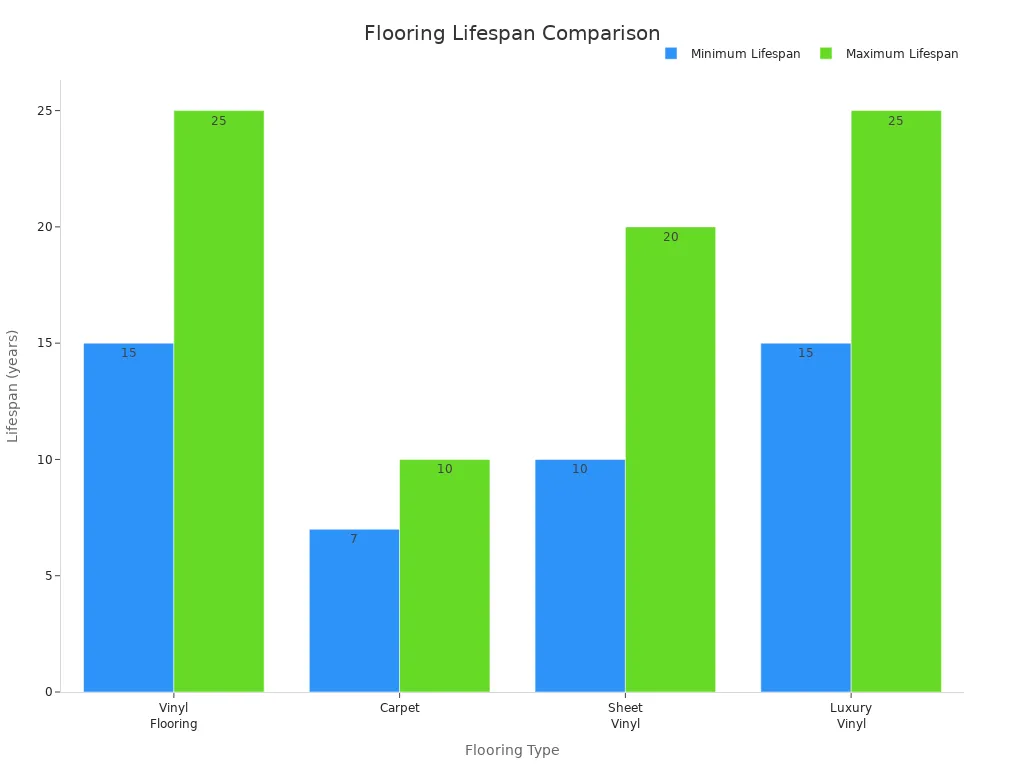
Vinyl lasts longer than carpet. But it may not last as long as terrazzo or other strong materials. Real estate developers and sellers want floors with style and value. If you want a floor that is tough and needs less care, think about terrazzo, mosaics, or UHPC cement slabs. These choices are good for architects and designers who want beauty and strength.
Laminate Flooring: Durability and Drawbacks
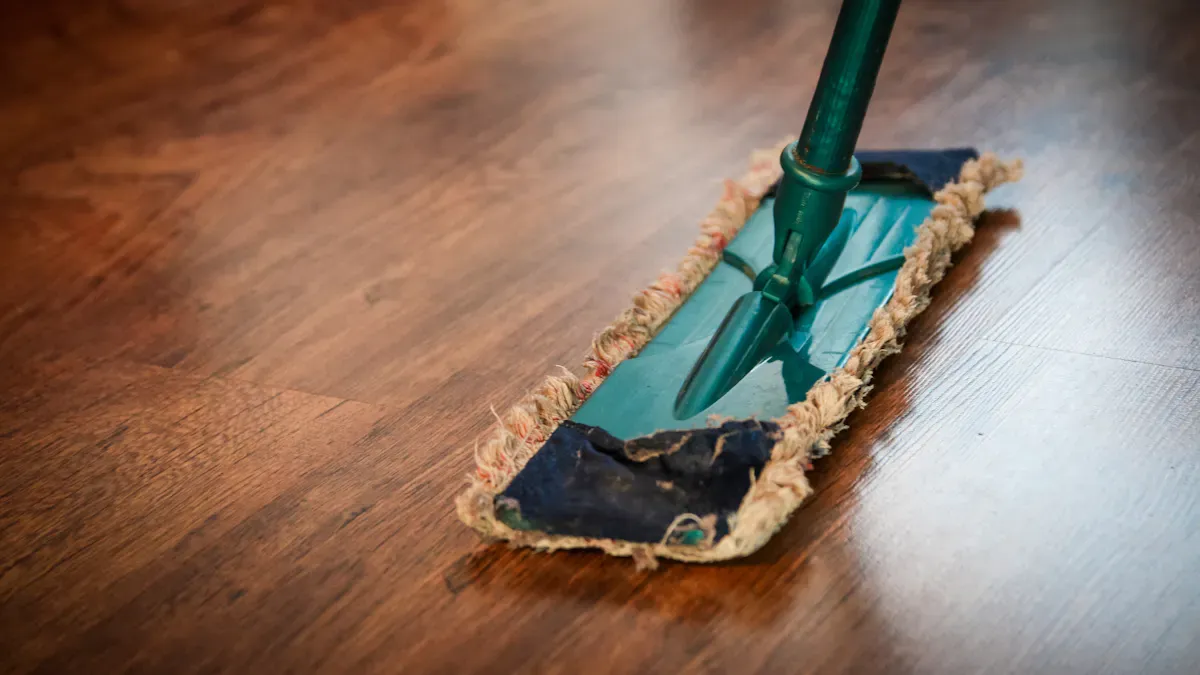
Laminate flooring is popular with homeowners and designers. It looks like wood but costs less. You can find it in homes, offices, and stores. Before picking laminate, learn how it holds up and what care it needs.
Common Problems
Laminate flooring is strong in many places. But it has trouble in busy spots. Here are some issues you might see:
- Moisture damage
- Buckling or warping
- Gaps between planks
- Surface scratches
- Fading from sunlight
Scratches and Moisture
Scratches happen when you move furniture or pets run around. High heels and dirt from shoes can also make marks. Moisture is a bigger problem for laminate. The core is made from high-density fiberboard. If water gets into the seams or edges, planks can swell and change shape. You cannot fix them once they are damaged. You have to replace them. In kitchens or entryways, spills and wet shoes can make your floor last less time.
Tip: Put mats at doors and felt pads under furniture. Clean up spills fast to keep your laminate safe.
Maintenance Expenses
Laminate flooring costs less to clean than carpet or hardwood. Basic cleaning costs about $0.10 to $0.25 per square foot. If you clean every week with the right products, you may spend $20 to $30 each month. For busy areas, deep cleaning by professionals costs $150 to $200 each year. These costs add up if you have a big space. Interior designers say regular care keeps your floor looking good and helps it last longer.
Expected Lifespan
Laminate flooring can last a long time if you take care of it and keep it dry. Most laminate lasts between 15 and 25 years. The table below shows how laminate compares to other floors:
| FLOORING | YEARS |
|---|---|
| Laminate | 15 to 25 |
If you want your floor to last even longer, terrazzo, mosaics, recycled terrazzo, and UHPC cement slabs from guiyi are great choices. These materials are liked by architects, designers, and real estate developers. They want floors that last for decades and need little care. When you plan your next project, think about how long your floor will last and how much care it needs. Picking the right material saves money and work over time.
Carpet Flooring: Comfort vs. Care
Carpet flooring feels soft and cozy under your feet. Many people pick it for bedrooms, living rooms, and offices. It is comfortable, but you need to think about extra cleaning. Carpet needs more care than terrazzo or mosaics.
Cleaning and Staining
Carpet can get dirty and stained very fast. You must clean it often to keep it nice. Some stains are easy to clean, but others are hard. Here are some cleaning problems you might have:
- Bleach spots can make faded areas that need experts.
- Old stains go deep and need special cleaning.
- Spilled drinks like coffee or juice leave sticky marks.
- Acid stains from some products can hurt the fibers.
- Makeup stains stick and need careful cleaning.
- Pet stains need strong cleaners to fix.
Vacuuming helps, but deep cleaning is needed too. Sometimes you must hire experts for tough stains. This makes carpet cost more over time. Interior designers remind you to think about these things for busy rooms.
Health and Allergen Concerns
Carpet flooring can change the air in your home or office. It traps dust, pollen, and other allergens. If you have allergies, you might sneeze or cough more.
Carpet flooring materials trap allergens like dust mites, pet dander, pollen, and mold spores. This can cause irritation and discomfort for people with breathing problems.
You can help by cleaning often and letting fresh air in. Terrazzo, recycled terrazzo, and UHPC cement slabs have smooth surfaces. They do not trap allergens. Architects and designers suggest these for healthier spaces.
Replacement Frequency
Carpet does not last as long as other floors. Heavy use, spills, and stains wear it out faster. You may need to replace carpet more often than terrazzo or UHPC cement slabs. The table below shows how often you might replace carpet:
| Aspect | Value |
|---|---|
| Lifespan | 5 to 15 years |
| Replacement Frequency | More frequent |
Replacing carpet often means spending more time and money. Real estate developers and builders want floors that last longer and need less care. Terrazzo, mosaics, and UHPC cement slabs from guiyi are strong and easy to keep up. These materials help you save money and work in the long run.
Tile Flooring: Strength and Upkeep
Tile flooring stands out for its strength and classic look. Many designers and architects choose tile for kitchens, bathrooms, and entryways. You get a surface that resists scratches and heavy foot traffic. However, you need to pay attention to upkeep, especially when it comes to grout and cracks.
Grout and Cracks
Grout lines fill the spaces between tiles. Over time, these lines can collect dirt and change color. You need to scrub grout often to keep it looking clean. This task can take about fifteen minutes for each room. If you have a large space or a busy area, you will spend more time on this job. Homeowners often say that keeping tile beautiful means extra work, especially in places where people walk a lot.
- Grout lines require regular scrubbing to prevent discoloration and buildup.
- Maintenance for grout can take about fifteen minutes per room, showing a real time commitment.
- Keeping tile flooring looking good involves extra time, especially in high-traffic areas.
You also need to think about the cost. Cleaning and resealing grout each year can cost between $0.50 and $1 per square foot. If you skip this step, grout can crack or break down. Cracks in tiles or grout let water seep in, which can lead to bigger problems. When you compare tile to terrazzo or UHPC cement slabs, you will notice that terrazzo offers a smoother surface with fewer joints, making maintenance easier for designers and building teams.
Tip: Use mats at entrances and clean up spills quickly. This helps protect grout and tiles from damage.
Professional Repairs
Sometimes, you cannot fix tile problems on your own. Cracked tiles or damaged grout need professional help. You may need to regrout every five to ten years. This service costs between $5 and $15 per square foot. Grout resealing, which protects against stains and water, can cost from $500 to $1,200 every three to five years. If a tile cracks, repairs usually cost between $300 and $600 each time.
- Professional regrouting is needed every 5-10 years, costing between $5-15 per square foot.
- Grout resealing costs range from $500 to $1,200 every 3-5 years.
- Repairing cracked tiles typically costs between $300 and $600 per incident.
These costs add up over time. If you want a floor that needs less maintenance, terrazzo, mosaics, recycled terrazzo, and UHPC cement slabs from guiyi give you strong options. Many architects, interior designers, and real estate developers choose these materials for their projects. They want flooring that stays beautiful and strong with less effort and lower long-term costs.
Terrazzo Flooring: Process and Value
Terrazzo Manufacturing Process
Materials Used (Marble, Glass, guiyi Aggregates)
You can find terrazzo in many new buildings and airports. Designers pick terrazzo because it is strong and looks nice. When you know how terrazzo is made, you see why it lasts so long. The process starts by choosing the right aggregates. These can be marble, glass, recycled terrazzo, or guiyi aggregates. Some mixes also use natural stone. These pieces give terrazzo its color and shine.
Binders hold the aggregates together. Cement and epoxy are the most common binders. Cement binders give a classic look and work in many places. Epoxy binders let you pick more colors and make the floor smoother. You can add pigments to change the color. This helps match the floor to your design.
Sustainable terrazzo materials are good for the planet. Many terrazzo floors use recycled glass or stone. This cuts down on waste and helps the environment. Terrazzo also has low VOC emissions, which makes spaces healthier.
Mixing, Troweling, Curing, Polishing
Making terrazzo takes several steps. Each step helps make the floor strong and pretty. Here is how terrazzo is made:
- You start with a clean, stable base.
- Divider strips are set up for patterns.
- Aggregates and binders are mixed together.
- The mixture is poured onto the floor.
- Special tools are used to smooth the terrazzo.
- The terrazzo is left to harden.
- The surface is ground flat to show the aggregates.
- Grout fills small holes for a smooth finish.
- The floor is polished to make it shine.
This process makes terrazzo very tough. Aggregates and binders work together for a floor that lasts many years. You can use terrazzo in homes, schools, and airports. The process lets you make custom designs with many colors and patterns.
Precast Terrazzo Slabs
Precast terrazzo slabs give you more choices for your project. You can use these slabs for stairs, counters, and wall panels. They are made in a factory, so you get high quality every time. You can pick the size, shape, and color you want.
There are different types of terrazzo slabs. Traditional precast terrazzo uses cement or epoxy as binders. Inorganic precast terrazzo slabs use special cement for extra strength. You can see the differences in the table below:
| Feature | Traditional Precast Terrazzo | Inorganic Precast Terrazzo |
|---|---|---|
| Flexural Strength | 6.9–7.4 MPa | 12 MPa |
| Water Absorption | 4.8–7.5% | 0.4–0.5% |
| Density | N/A | 2.62 g/cm³ |
| Compressive Strength | N/A | 110–116 MPa |
| Durability | Lower | Higher |
| Installation Cost | Higher initial costs | Similar net cost |
| Maintenance Requirements | Higher frequency of maintenance | Streamlined maintenance |
Precast terrazzo slabs are faster to install than poured terrazzo. This saves time and money for builders. You can use slabs for floors, walls, and stairs. Designers like precast terrazzo slabs because they are flexible and high quality. You can trust them to stay strong and look good for a long time.
Epoxy terrazzo can also be used in precast slabs. Epoxy gives more color choices and a smooth finish. Cement-based slabs are good for outdoor use. Both types use aggregates and binders for a tough surface. Pigments can be added to match your design.
Precast terrazzo slabs help the environment. Many slabs use recycled aggregates and low-VOC binders. This helps meet green building goals. You can use slabs in schools, hospitals, offices, and homes. The slabs resist stains, scratches, and water. This means less work and lower costs over time.
Maintenance Needs
You want your terrazzo floor to look nice for many years. Terrazzo is easier to care for than other floors. Clean the surface with a pH-neutral cleaner. Seal the floor every one to three years. This keeps stains away and keeps the shine.
Epoxy terrazzo needs even less care. Clean it with a neutral cleaner and polish when needed. You do not need special tools or products. Other floors need more cleaning and repairs. Terrazzo saves you time and money.
Here is a table that shows how terrazzo compares to other floors:
| Flooring Type | Maintenance Practices | Frequency of Maintenance |
|---|---|---|
| Terrazzo | Regular sealing every 1 to 3 years, pH-neutral cleaning, prompt spill cleanup | Routine cleaning and resealing |
| Epoxy Terrazzo | Minimal maintenance, regular cleaning with neutral pH cleaner, periodic re-polishing | As needed for surface gloss |
| Other Flooring Types | May require more frequent cleaning, specialized agents, and specific techniques | Varies, often more frequent |
Terrazzo and epoxy terrazzo need less work than other floors. This means you spend less money and time. Architects and designers pick terrazzo because it is strong and lasts long. You get a floor that stays nice with little effort.
If you want a floor that lasts, terrazzo is a smart pick. You get style, value, and quality. You also help the planet by using sustainable terrazzo. Terrazzo works well in schools, offices, airports, and homes. You can count on terrazzo to last a long time and look great.
Longevity and Cost Savings
When you pick flooring, you want it to last a long time. Terrazzo is strong and looks nice for many years. You do not have to replace terrazzo often. This makes it a good choice for schools, airports, offices, and homes.
Terrazzo floors can last up to 75 years. You do not need to replace them during that time. This saves you money as the years go by. Other floors like carpet, vinyl, or laminate wear out much sooner. Carpet costs less at first but needs to be replaced every 12 years. Vinyl and laminate also wear out faster, especially in busy places. If you keep buying and installing new floors, it adds up. Terrazzo helps you save more money in the end.
Here is a table that shows how terrazzo compares to other flooring types:
| Flooring Type | Average Lifespan | Replacement Frequency | Typical Cost (per sq ft) |
|---|---|---|---|
| Terrazzo | Up to 75 years | Rarely | $25 |
| Carpet | 12 years | Every 12 years | $4 |
| Vinyl | 15-25 years | Every 15-25 years | $3-$7 |
| Laminate | 15-25 years | Every 15-25 years | $3-$7 |
Terrazzo costs more when you buy it. But you do not have to replace it often. Over time, you spend less money. That is why architects and designers like terrazzo for busy places. The floor stays strong and looks good for a long time.
Terrazzo is easy to take care of. You do not need special cleaners or tools. Just clean it simply to keep it looking new. You only need to reseal terrazzo every few years. Other floors need more cleaning, repairs, and deep cleaning. This means you save time and money on care.
Terrazzo is also good for the planet. It uses recycled glass, stone, and guiyi aggregates. This cuts down on waste and helps green building goals. Epoxy terrazzo does not give off bad chemicals. It keeps the air inside clean. You can use terrazzo in buildings that want green certifications. Many designers and builders pick terrazzo because it is eco-friendly.
Here are some reasons terrazzo is good for the environment:
- Terrazzo lasts a long time, so you do not need to replace it often.
- You can use local materials in terrazzo, which lowers transport pollution.
- Terrazzo includes recycled glass and stone, cutting down on waste.
- Epoxy terrazzo does not release harmful chemicals into the air.
- You can clean terrazzo with safe, green products.
If you want a floor that gives you value, style, and strength, terrazzo is a great choice. You can use traditional terrazzo, mosaics, recycled terrazzo, or UHPC cement slabs from guiyi. These choices work for many designs and projects. Interior designers, architects, and material sellers trust terrazzo for saving money and looking good.
Picking terrazzo is a smart move. You get a floor that lasts for generations, saves money, and helps the planet. That is why terrazzo is a favorite for designers and builders who want the best.
Calculating Total Flooring Cost
Installation, Maintenance, Replacement
You need to think about more than just price when picking new flooring. The total cost includes installation, maintenance, and replacement. Each step can change how much you spend. Interior designers and architects use tables to show all the costs:
| Factor | Description |
|---|---|
| Material types and quality | Different materials cost different amounts. Hardwood can cost $6 to $12 per square foot. Laminate costs $1 to $5 per square foot. |
| Labor and installation fees | Installation prices are not the same. Hardwood installation costs $3 to $8 per square foot. Laminate installation costs $1 to $3 per square foot. |
| Location and regional price variations | Prices change depending on where you live. Cities usually have higher prices for materials and labor. |
| Size and complexity of the project | Bigger rooms and tricky designs cost more. Large projects can make expenses go up. |
| Additional costs | Underlayment and removing old floors can add $0.50 to $3 per square foot. |
| Maintenance and long-term costs | Different floors need different care. This changes your budget over time. |
You should also look at how the floor is installed. Some floors, like terrazzo or UHPC cement slabs, need special ways to install them. These methods take more time but make the floor stronger. Epoxy terrazzo uses a special process that makes the floor smooth. This helps stop cracks and keeps the floor looking new.
Real-World Cost Examples
Let’s check some real numbers. If you pick carpet, you pay less to install it at first. But you spend more later on cleaning and replacing it. Vinyl and laminate cost less to install, but you might need to replace them sooner. Terrazzo, mosaics, recycled terrazzo, and UHPC cement slabs cost more to install. These materials need skilled workers and special tools. Epoxy terrazzo installation makes the floor last longer and need less care.
Here is an easy example:
- You put carpet in a 1,000 sq ft office. Installation costs $4,000. You replace it every 10 years. Over 30 years, you spend $12,000 plus cleaning.
- You put terrazzo in the same space. Installation costs $25,000. You do not need to replace it for 50 years. You only pay for simple cleaning and resealing.
Epoxy terrazzo and UHPC cement slabs use advanced ways to install them. These methods make the floor strong and easy to clean. Designers and builders like these choices for busy places. You save money because you do not need to replace the floor often.
Making Informed Choices
Interior designers use clear steps to help you pick the right floor. You can follow these steps:
- Think about your needs and how you live. Consider pets, kids, and how you use each room.
- Set a budget for your project.
- Learn about different flooring materials, like terrazzo, mosaics, recycled terrazzo, and UHPC cement slabs.
- Think about how much care each floor needs. Epoxy terrazzo and UHPC blocks need less work.
- Get samples and see how they look in your space.
You should talk to architects, designers, or material sellers. They know about installation and the process for each floor. They can help you find the best choice for your project. If you want a floor that lasts, pick terrazzo or UHPC cement slabs. These materials give you value, style, and strength for many years.
Tip: Always ask about how the floor is installed and how much care it needs before you decide. This helps you avoid surprises and saves money over time.
Hidden maintenance costs can make cheap flooring cost more later. You should check both the starting price and how much care each floor needs. Carpet needs deep cleaning a lot. Laminate and terrazzo are easier to keep clean. Many designers and real estate developers pick terrazzo, mosaics, recycled terrazzo, and UHPC cement slabs because they last long and are a good deal. If you want to make a smart choice, talk to interior designers and learn about terrazzo from guiyi. Look at your flooring options for 2026 to get the best floor for your space.
- Think about how terrazzo can save you money and help your project last longer.
- Ask experts about terrazzo, mosaics, and UHPC cement slabs for your next design.
FAQ
What makes terrazzo a good choice for high-traffic areas?
Terrazzo is very strong and tough. It does not scratch or stain easily. Many airports, schools, and offices use terrazzo floors. You do not need to fix or clean it as much. This saves you money over time.
How often do you need to replace carpet compared to terrazzo?
Carpet wears out in 5 to 15 years. Terrazzo can last up to 75 years. You save time and money with terrazzo. This is helpful in places where many people walk.
Are recycled terrazzo and mosaics eco-friendly options?
Yes! These materials use leftover glass or stone pieces. Picking them helps the planet. Many designers and builders use them for green projects.
What is UHPC cement slab, and where can you use it?
UHPC cement slabs are very strong concrete. You can use them for floors, walls, or stairs. Builders like UHPC blocks because they look modern and last a long time.
How do you clean terrazzo flooring?
Use a pH-neutral cleaner and a soft mop. Do not use strong chemicals. Clean up spills right away. Designers say to seal terrazzo every few years to keep it shiny.
Is tile or terrazzo easier to maintain?
Terrazzo is easier to care for than tile. Tile floors need grout cleaned and fixed. Terrazzo is smooth, so you spend less time and money on care.
Who should consider terrazzo or UHPC cement slabs for their projects?
Architects, designers, and builders should think about terrazzo or UHPC cement slabs. These floors are strong, stylish, and save money over many years.
Can terrazzo be customized for different design styles?
Yes! You can pick colors, patterns, and aggregates. Designers like terrazzo because it fits many styles. It works for modern, classic, or creative rooms.