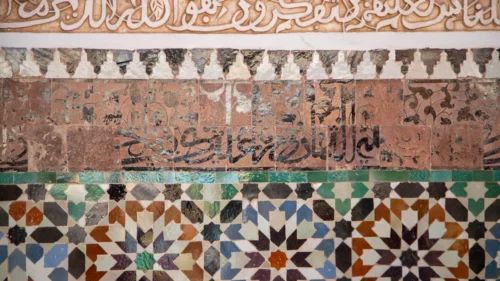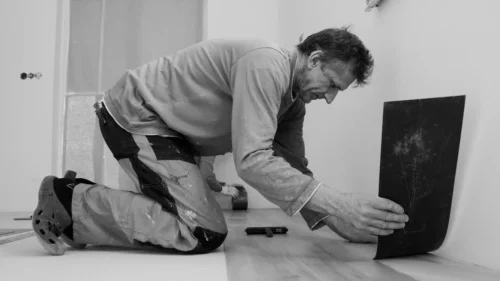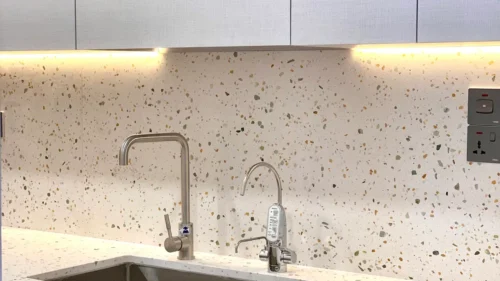
You want a floor that stands up to daily wear, needs little care, and looks great in busy spaces. Epoxy Resin Terrazzo gives you all of this. Most buildings today use it because it lasts 75 to 100 years and stays beautiful with simple cleaning. It resists spills and cracks, so you save time and money on repairs. guiYi offers trusted solutions for modern needs. Think about your space, style, and how much work you want to do before choosing your terrazzo floor.

Key Takeaways
- Epoxy Resin Terrazzo can last 75 to 100 years. It does not need much care. This makes it a smart choice for busy places.
- Pick Epoxy Resin Terrazzo if you want fast setup. It also has many color choices. This is great for modern styles.
- Traditional Terrazzo has a classic look. It works well outside because it stands up to weather.
- Epoxy Resin Terrazzo is simple to clean. It is also easy to take care of. This saves you time and money compared to traditional floors.
- Think about your space and style before you choose. This helps you pick the best terrazzo for your needs.
- Both terrazzo types can be changed to fit your style. But Epoxy lets you use brighter colors and special patterns.
- Buying Epoxy Resin Terrazzo can save you money over time. This is because it lasts long and does not need many repairs.
- For big projects, Traditional Terrazzo is a strong choice. It can handle lots of people walking on it.
Terrazzo Flooring Types
When you check out terrazzo flooring, you will see different types. Each type uses its own materials and has its own way to install. Every type gives you special benefits. You can pick the one that works best for your project.
| Type | Composition Details | Advantages | Disadvantages |
|---|---|---|---|
| Poured In Place Terrazzo | Mixture poured right onto the floor; can use epoxy, polyacrylate cement, or cement as a binder. | Strong, smooth finish, custom designs, few joints. | Costs more to install, needs skilled workers, takes longer to finish. |
| Precast Terrazzo | Mixture made in molds somewhere else, then brought in for installation. | Can be customized, cheaper than stone for some uses. | Costs more than other flooring or wall options. |
| Terrazzo Tiles | Mixture made in molds, cut into same-sized pieces for easy installation. | Many design choices, strong, made efficiently. | May not let you customize as much as poured-in-place. |
Epoxy Resin Terrazzo Overview
Epoxy Resin Terrazzo is used in lots of modern buildings. This flooring uses two-part epoxy resin mixed with pretty pieces like marble chips, glass, or shells. Workers pour the mix over concrete and use metal strips to make patterns.
- You can choose almost any color for your floor. This helps you match your style.
- The surface is smooth and does not soak up liquids. Cleaning and care are simple.
- Epoxy Resin Terrazzo lasts a long time. If you take care of it, it stays nice for 75 to 100 years.
- The floor does not stain or get damaged by chemicals, so spills are not a big deal.
Tip: If you want a floor that handles lots of people walking and stays looking new, this type is a good pick.
Traditional Terrazzo Overview
Traditional terrazzo has been around for a long time. People in Italy first made it by pouring cement and adding marble or stone chips. After it dries, workers grind and polish the surface to show the colorful stones.
| Component | Description |
|---|---|
| Stone Fragments | Marble, granite, quartz, or glass chips add color and texture |
| Binding Agent | Cement, epoxy, or polymeric resin holds everything together |
| Color Enhancers | Pigments make the colors deeper and richer |
| Recycled Materials | Up to 80% can be recycled, making it more eco-friendly |
| Non-porous Surface | Dense mix keeps stains and moisture away |
Traditional terrazzo gives you a classic look. The colors are usually natural and earthy. Many people like this type because it looks timeless and is strong.
Key Differences
You should know the main differences before you pick.
| Feature | Epoxy Terrazzo | Traditional Cement Terrazzo |
|---|---|---|
| Thickness | Thinner, good for fixing old floors | Needs a thick layer for new floors |
| Design Versatility | Lots of colors and pieces to choose from | Mostly earthy colors, fewer choices |
| Cleaning & Maintenance | Not very porous, easy to clean and care for | Needs sealing often to stop stains |
| Installation Time | Dries in about 24 hours, faster to install | Takes longer to dry before grinding |
| Weight | Lighter, easier to put in | Heavier, must be planned for |
| Durability | Stays the same shape, cracks less | Can crack from shrinking |
| Environmental Impact | Low VOCs, can use recycled pieces | High carbon footprint because of cement |
- Epoxy Resin Terrazzo gives you more color choices and installs faster.
- Traditional terrazzo is thicker, heavier, and has a classic style.
- Epoxy Resin Terrazzo is easier to clean and care for.
- Traditional terrazzo needs more work, like sealing and fixing.
Note: Pick based on your style, budget, and how much care you want to do.
Durability Comparison
Epoxy Resin Terrazzo Durability
High-Traffic Performance
If you need a floor for busy places, this is a good choice. Epoxy Resin Terrazzo works well where lots of people walk. Schools, airports, and hospitals often use it. It does not get damaged by heavy use or stains. Dirt and spills do not ruin the surface. The finish does not soak up much, so cleaning is fast. Many businesses pick this floor because it lasts long and looks nice.
- Epoxy Resin Terrazzo can take hard hits without damage.
- You can fix it for less money than other tiles.
- It stays strong in places with lots of people.
Resistance to Cracking
Cracks make floors look bad and unsafe. You want a floor that stays smooth and strong. Epoxy Resin Terrazzo does not crack as much as cement terrazzo. The material bends a little, so it does not break easily. You will not need to fix it often. This saves you time and money.
- Epoxy Resin Terrazzo keeps its shape and does not crack much.
- You do not have to fix grout joints like with other floors.
Traditional Terrazzo Durability
Strength and Thickness
Traditional terrazzo uses a thick layer of cement and stone chips. This makes the floor very strong. You can use it where you need a solid base. The heavy weight helps keep it in place. It does not move or shift easily. This is good for big projects.
Exterior Suitability
You might want terrazzo outside your building. Traditional terrazzo works well outdoors. The thick and heavy floor stands up to wind, rain, and hot or cold weather. It does not wear out fast in the sun or cold. The strong build helps it last longer outside.
Note: The thick and heavy style of traditional terrazzo is great for outdoor and big projects.
Which Lasts Longer
You want your floor to last many years. Both types of terrazzo last a long time, but there are some differences. Check the table below to see how long each type usually lasts:
| Flooring Type | Typical Lifespan |
|---|---|
| Epoxy Resin Terrazzo | 40-100 years |
| Traditional Terrazzo | 75-100 years |
| Terrazzo Tiles | 10-15 years |
| Other Systems | 20-25 years |
Epoxy Resin Terrazzo can last up to 100 years if you care for it. Traditional terrazzo also lasts a long time, often 75 to 100 years. Terrazzo tiles do not last as long. They may need to be replaced after 10 to 15 years.
You should know that Epoxy Resin Terrazzo is now used in more than half of buildings worldwide. Many people pick it because it is strong and easy to care for. Cement terrazzo is still used, but not as much as before.
Tip: Pick Epoxy Resin Terrazzo for busy indoor areas. Choose traditional terrazzo for outdoor or very big projects.
Design and Aesthetics
Epoxy Resin Terrazzo Design Options
Color Customization
Epoxy Resin Terrazzo lets you pick almost any color. You can match your room with bright or soft colors. Mixing colors is possible to make cool patterns. Designers use this floor to add logos or art. The resin keeps colors bright for a long time. Chips and resin can match for a smooth look.
Smooth Surface
Epoxy Resin Terrazzo has a shiny, smooth surface. It feels flat under your feet. You will not find bumps or rough spots. Cleaning is easy because dust and spills wipe off fast. The floor reflects light, so rooms look bigger and brighter.
Tip: Choose this floor if you want bright colors and easy cleaning.
Traditional Terrazzo Design Options
Classic Looks
Traditional terrazzo uses marble, glass, or stone chips in cement. This gives a timeless look that fits many styles. People like the natural colors and patterns. You can add logos or art, but it takes more work. The floor can last for decades and still look nice.
- Stone chips show classic beauty.
- You can refinish the floor to make it look new.
- Many old buildings use this style for its charm.
Limitations in Customization
Traditional terrazzo has some limits. Colors come from natural stones, so there are fewer choices. Making complex designs needs more time and skill. Installation costs more, starting at about $9 per square foot. Skilled workers must do the job, so you cannot install it yourself. The process takes longer and may disrupt your space.
Design Versatility
Both types of terrazzo give you many design choices. Epoxy Resin Terrazzo stands out with bright colors and flexible patterns. You can use it on floors, walls, or countertops. Traditional terrazzo allows custom colors and patterns, but it takes more effort. Modern spaces use terrazzo because it fits new trends. You see it in homes, offices, and stores.
Here is a quick look at how both types compare:
| Feature | Epoxy Terrazzo | Traditional Terrazzo |
|---|---|---|
| Customization | Wide array of colors and design options | Customizable but more labor-intensive |
| Durability | Superior, resistant to cracking | Less durable, more prone to damage |
| Aesthetic Flexibility | Color-matched to decorative chips | Limited by traditional materials |
Note: Terrazzo can fit almost any style, from classic to modern. Your choice depends on how much you want to customize and how much work you want to do.
Maintenance and Cleaning
Epoxy Resin Terrazzo Maintenance
Nonporous Surface
You want a floor that stays clean with little effort. Epoxy Resin Terrazzo has a seamless, nonporous surface. This means liquids, dirt, and bacteria cannot soak in. Spills stay on top, so you can wipe them away before they cause stains. The nonporous surface also keeps out harsh chemicals and makes the floor more resistant to damage. You do not need to worry about water or cleaning products seeping into the floor.
Ease of Cleaning
Cleaning Epoxy Resin Terrazzo is simple. You only need to sweep or dust mop the floor to remove dirt and grit. For deeper cleaning, use a damp mop with a mild cleaner. Avoid harsh chemicals; choose products with a pH between 7 and 10. Sometimes, you can spray buff the floor to keep it shiny. Because the surface does not absorb spills, you spend less time and money on cleaning. Repairs are rare, so you do not have to replace or fix the floor often.
Here is a quick look at the main maintenance points:
| Maintenance Aspect | Details |
|---|---|
| Routine Cleaning | Sweep or mop regularly to keep the floor looking new. |
| Chemical Resistance | Nonporous surface resists stains and chemical spills. |
| Repair Frequency | Needs very few repairs over its lifetime. |
| Cost-Effectiveness | Low maintenance saves money in the long run. |
Tip: Use a dry or damp mop for daily cleaning. This keeps your floor looking bright and fresh.
Traditional Terrazzo Maintenance
Sealing Needs
Traditional terrazzo uses cement, which is porous. Liquids and dirt can soak into the floor and cause stains. To protect the surface, you must seal it often. After installation, apply two or more coats of a water-based acrylic sealer. In busy areas, you may need to reseal the floor more than once a year. Sealing helps keep out moisture and makes cleaning easier, but it adds to your maintenance work.
Repair Frequency
You need to care for traditional terrazzo more often. Dust mop the floor every day to remove dirt. Damp mop weekly with a neutral cleaner. For heavy dirt, use a buffing machine. Over time, the sealer wears off, so you must strip and reapply it. In high-traffic places, repairs and resealing may happen several times a year. This increases your upkeep and costs.
A typical maintenance routine looks like this:
- Dust mop daily to remove grit.
- Damp mop weekly with a neutral cleaner.
- Scrub and rinse as needed.
- Apply sealer after installation and reseal as needed.
- Strip and reseal at least once a year, more often in busy areas.
Maintenance Comparison
Epoxy Resin Terrazzo stands out for easy cleaning and low maintenance. Its nonporous surface keeps out stains and bacteria, so you spend less time and money on upkeep. You rarely need to repair or reseal the floor. Traditional terrazzo needs more care. The cement base absorbs spills, so you must seal and reseal it often. Repairs are more common, especially in places with lots of foot traffic.
Note: If you want a floor that saves you time and money, Epoxy Resin Terrazzo is the better choice for modern spaces.
Installation Process
Epoxy Resin Terrazzo Installation
Quick Curing Time
You want your project finished fast. Epoxy Resin Terrazzo helps you do that. The installation starts with preparing the subfloor. Workers make sure the surface is smooth and clean. This step is important for a strong and even floor. Next, they mix the resin with chips like marble or glass. They pour the mixture onto the floor and spread it out. The resin dries quickly, often in just 24 hours. This means you can walk on your new floor sooner.
- You get a smooth and seamless finish.
- The quick drying time keeps your project on schedule.
- You do not need to wait long before using the space.
Project Efficiency
Epoxy Resin Terrazzo makes large projects easier. Skilled workers can cover big areas in a short time. For example, a team can finish 2,500 to 3,000 square feet in about 10 days. The process includes mixing, pouring, and polishing. You get a strong and shiny floor without long delays. The materials and methods help control costs and reduce downtime.
Tip: Choose this option if you want a fast and efficient installation for busy spaces.
Traditional Terrazzo Installation
Labor Intensity
Traditional terrazzo takes more time and effort. The process starts with subfloor preparation. Workers check the concrete for cracks or moisture. They clean the surface and make sure it is ready. Mixing and pouring the terrazzo is a careful job. Skilled artisans spread the mixture by hand. This step needs experience and attention to detail.
- Prepare the subfloor.
- Check for damage or moisture.
- Clean and test the surface.
- Mix and pour the terrazzo.
- Grind and polish the floor.
You need experts for this type of floor. The work is slow and detailed. Mistakes can lead to delays and extra costs.
Curing and Drying
Traditional terrazzo needs more time to cure and dry. The cement base takes days or even weeks to set. Moisture control is important. If the floor is not dry, it can crack or fail. Grinding and polishing happen after the floor is fully cured. This adds more time to the project. You must plan for a longer installation period.
Note: Traditional terrazzo is not a good choice if you need a quick turnaround.
Installation Comparison
You should compare both options before you decide. Epoxy Resin Terrazzo gives you a faster and more efficient installation. The quick curing time means less waiting. You can use your space sooner. Traditional terrazzo takes longer because of the labor and drying time. It needs skilled workers and careful planning. If you want speed and less downtime, epoxy resin is the better choice.
| Feature | Epoxy Resin Terrazzo | Traditional Terrazzo |
|---|---|---|
| Curing Time | 24 hours | Several days to weeks |
| Labor Needs | Skilled, but efficient | Highly skilled, labor-heavy |
| Project Timeline | Short | Long |
| Downtime | Minimal | Significant |
Remember: Fast installation saves you time and money, especially in busy buildings.
Cost Analysis
Epoxy Resin Terrazzo Costs
Material and Labor
The price for Epoxy Resin Terrazzo can change a lot. It depends on what materials you pick and how big your project is. If your design is simple, it will cost less. If you want special patterns or logos, the price goes up. The kind of chips you use, like marble or glass, also changes the cost. Bigger projects usually cost less per square foot because workers finish faster.
Epoxy terrazzo can cost from $40 to $150 per square foot. This depends on things like material quality and how hard the design is.
Most big jobs cost between $30 and $65 per square foot. Some terrazzo floors can be as low as $20 or over $100 per square foot. The final price depends on project size, system type, materials, and design.
Long-Term Value
Epoxy Resin Terrazzo gives you more than just a nice floor. It lasts a very long time, sometimes 75 to 100 years. You do not have to replace it often, even in busy places. The floor can handle lots of people walking, spills, and chemicals. You only need to do basic cleaning, so you save money on care and repairs.
Epoxy resin terrazzo is famous for being tough. It can last longer than the building itself. This floor is made to handle heavy use and does not get ruined by chemicals or spills. You only need simple cleaning to keep it looking good. Because you do not have to fix or replace it much, it saves you money over time. This makes it a smart choice for places like stores or schools.
Epoxy terrazzo costs less to take care of than other floors. It does not need much work and rarely needs to be replaced. This makes it one of the best choices for buildings that need strong floors and low upkeep.
Traditional Terrazzo Costs
Upfront Investment
Traditional terrazzo usually costs less to put in than epoxy resin terrazzo. You might pay between $15 and $50 for each square foot. The price changes if you want a thicker floor or special stone chips. Simple designs are cheaper. Custom looks cost more. You also need skilled workers, which can add to the price.
Maintenance Expenses
You need to think about more than just the first cost. Traditional terrazzo needs to be sealed and fixed often. Over time, these jobs add to your costs. You may have to reseal the floor every year, especially in busy places. Cement can crack or stain, so repairs are common. These extra costs make traditional terrazzo less of a good deal over many years.
Cost Comparison
You want to know which floor is the best deal. Look at the table below to see how much each type costs and how long it lasts:
| Type of Terrazzo | Cost per Square Foot | Lifespan |
|---|---|---|
| Epoxy Terrazzo | $25 to $90 | 40 to 100 years |
| Traditional Terrazzo | $15 to $50 | 10 to 15 years |
- Epoxy terrazzo can last more than 40 years, sometimes up to 100 years.
- Traditional terrazzo tiles usually last 10 to 15 years.
Epoxy Resin Terrazzo costs more at first, but you save money later because you do not have to fix or replace it much. Traditional terrazzo is cheaper to start, but you spend more on repairs and care. If you want a floor that lasts and saves money over time, epoxy terrazzo is a good pick.
Sustainability
Epoxy Resin Terrazzo Sustainability
Eco-Friendly Practices
Epoxy Resin Terrazzo helps make your project greener. This flooring uses many earth-friendly steps. Makers add recycled glass or stone chips. These chips can be up to 75% of the floor. The resin has zero VOCs, so your air stays clean. Using local materials cuts down on pollution from trucks and waste.
Here is a table with common eco-friendly steps:
| Sustainable Practice | Description |
|---|---|
| Use of Recycled Materials | Adds glass and stone from old projects, up to 75% recycled. |
| Zero-VOC Products | Uses resin with no VOCs, so air stays clean and safe. |
| Regional Sourcing | Gets materials from nearby places to lower pollution and waste. |
Tip: You can earn LEED credits if you use recycled and local materials.
Recyclability
Epoxy Resin Terrazzo is easy to recycle. You can use glass, porcelain, and other recycled pieces. These come from old and new sources. This keeps trash out of landfills. The floor does not soak up liquids, so you do not need strong cleaners. This is better for the planet. Picking this floor helps reuse materials and lowers your carbon footprint.
Traditional Terrazzo Sustainability
Natural Materials
Traditional terrazzo uses stone, marble, and glass chips. Many suppliers get these from local quarries. This means less pollution from moving heavy materials far away. Some companies use stone and glass that would be thrown away. You help the earth by picking a floor with reclaimed materials.
Environmental Impact
Traditional terrazzo lasts a long time, often 75 to 100 years. You do not need to replace it much, so you save resources. Cement in traditional terrazzo has a bigger carbon footprint. Making cement uses lots of energy and releases greenhouse gases. Using recycled glass in some tiles can lower the impact. Studies show that terrazzo tiles with recycled glass can cut global warming by 14% compared to regular tiles.
Note: Both types of terrazzo have low VOCs, so your indoor air stays healthy.
Sustainability Comparison
You want a floor that is good for the planet. Both Epoxy Resin Terrazzo and traditional terrazzo last for many years. This means less waste. Epoxy Resin Terrazzo usually has a lower carbon footprint. It uses zero VOC resin and more recycled materials. Traditional terrazzo uses cement, which adds to its impact. Both types can use recycled glass and porcelain. This helps you earn LEED credits. Both floors help keep your air clean.
- Epoxy Resin Terrazzo uses more recycled materials and does not soak up liquids.
- Traditional terrazzo uses natural stone but has more impact from cement.
- Both floors last a long time and help cut down landfill waste.
Picking the right terrazzo helps you reach your green goals and makes your space healthier.
Suitability for Modern Spaces
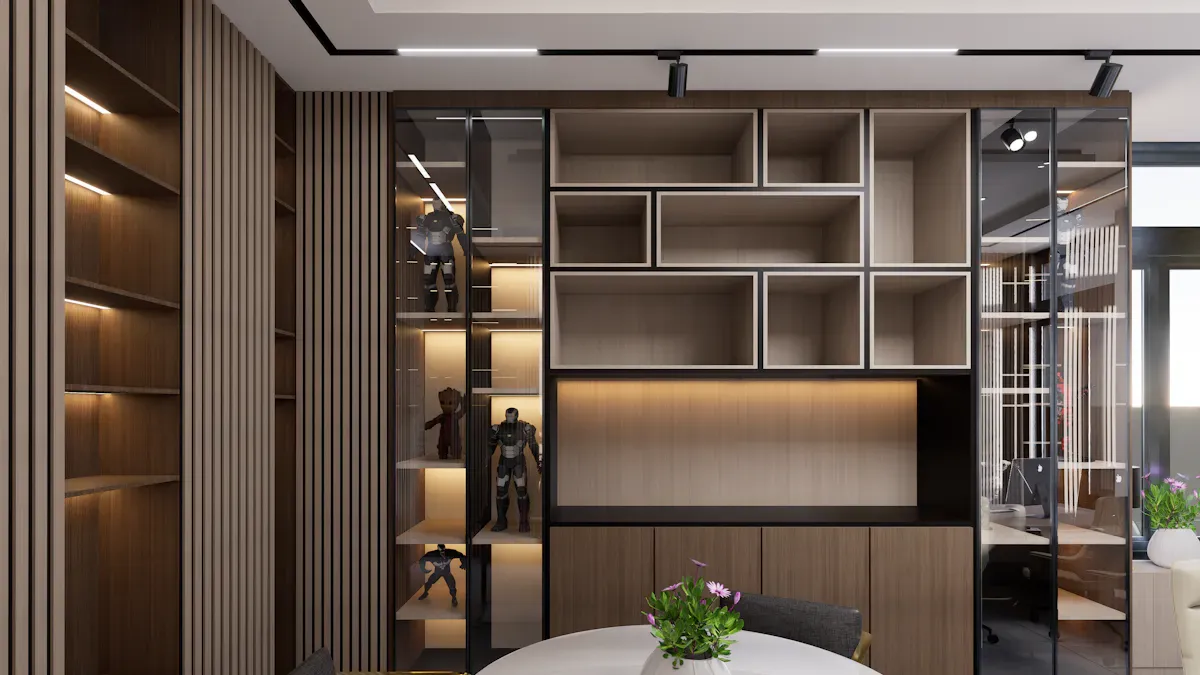
Commercial Applications
You see terrazzo floors in lots of busy places. Epoxy Resin Terrazzo is great for airports, hospitals, schools, and malls. These places need floors that can handle many people walking every day. Epoxy resin terrazzo does not stain or scratch easily. You can pick bright colors and special patterns to match your business. The floor goes in fast, so you can open your store sooner.
Here are some reasons why epoxy resin terrazzo is good for businesses:
- The floor is smooth, so dirt and germs cannot hide.
- Cleaning is quick and saves you money.
- You can add logos or cool designs to make your place special.
- The floor does not crack much, so you do not fix it often.
Traditional terrazzo is also used in busy places. You see it in hotels, museums, and government buildings. It looks fancy and classic. The thick cement makes the floor strong. You need skilled workers to put it in. Taking care of it is harder, but the floor lasts a long time.
Tip: Pick epoxy resin terrazzo for busy, modern places. Choose traditional terrazzo if you want a classic look and do not mind more work.
Residential Applications
You can use terrazzo in your house too. Epoxy Resin Terrazzo gives you lots of design choices. You can match your kitchen, bathroom, or living room with any color you like. The floor feels smooth and nice under your feet. Spills are easy to clean because nothing soaks in.
Here is a table that shows how terrazzo works in different rooms:
| Room | Epoxy Resin Terrazzo Benefits | Traditional Terrazzo Benefits |
|---|---|---|
| Kitchen | Easy to clean, resists stains | Classic look, durable |
| Bathroom | Nonporous, prevents mold | Strong, lasts long |
| Living Room | Custom colors, bright finish | Elegant, timeless style |
| Entryway | Handles heavy use, quick cleaning | Thick base, resists wear |
You can put epoxy resin terrazzo on top of old floors. This saves you time and money. You do not have to tear out the old floor. Traditional terrazzo gives your home a classic style. You need to seal it a lot. It takes more work, but the floor lasts for years.
Note: Epoxy resin terrazzo is good for busy families and new homes. Traditional terrazzo is best for homes with a classic look.
Exterior and Large-Scale Projects
You need a floor that can handle weather and lots of use outside. Traditional terrazzo is best for outdoor spaces. The thick cement keeps out rain, sun, and hot or cold weather. You see this floor in plazas, patios, and walkways. It does not crack or move easily. You have to seal it often to keep water out.
Epoxy Resin Terrazzo is not good for outside. The resin can fade or break in sunlight. You should only use it inside. For big projects like stadiums or convention centers, traditional terrazzo is strong and lasts a long time. You can cover large spaces with a tough floor.
Tip: Use traditional terrazzo for outside and big projects. Pick epoxy resin terrazzo for busy indoor places.
guiYi’s Modern Terrazzo Solutions
When you want a modern terrazzo floor, guiYi gives you many smart options. This company leads the way in both epoxy resin and traditional terrazzo. You can trust guiYi to help you find the best floor for your space.
Why choose guiYi for your terrazzo project?
- Wide Product Range: guiYi offers both epoxy resin terrazzo and traditional cement terrazzo. You can pick the type that fits your needs, whether you want bright colors or a classic look.
- Custom Design Support: guiYi helps you create custom patterns, colors, and even logos. You can match your brand or home style. Their design team works with you from start to finish.
- Expert Installation: guiYi uses skilled installers who know how to handle both fast epoxy jobs and careful traditional terrazzo work. You get a smooth, strong floor every time.
- Proven Portfolio: guiYi has completed many projects in schools, hospitals, airports, offices, and homes. You can see their work in busy places that need tough, beautiful floors.
- Sustainability Focus: guiYi uses recycled materials and low-VOC resins. You help the planet when you choose their floors.
guiYi’s team guides you through every step. You get advice on which terrazzo fits your space, how to care for it, and how to keep it looking new.
Here’s how guiYi matches terrazzo to your project:
| Project Type | guiYi’s Recommended Solution | Key Benefits |
|---|---|---|
| Commercial Spaces | Epoxy Resin Terrazzo | Fast install, easy care, bold design |
| Residential Homes | Epoxy or Traditional Terrazzo | Custom look, smooth finish |
| Outdoor/Big Projects | Traditional Cement Terrazzo | Thick, weather-resistant, durable |
You can ask guiYi for samples or a design plan. Their experts answer your questions and help you choose the right floor. You get a floor that lasts, looks great, and fits your budget.
Tip: If you want a modern, worry-free terrazzo floor, guiYi gives you the tools and support to make it happen.
You want a floor that lasts, cleans easily, and fits your style. Epoxy resin terrazzo works best for most modern spaces because it resists damage, installs quickly, and saves you money over time. Traditional terrazzo suits outdoor or large projects. Think about your needs, budget, and design. guiYi offers expert help for both options. Talk with their team to choose the right terrazzo for your project.
FAQ
What is the main difference between epoxy resin terrazzo and traditional terrazzo?
Epoxy resin terrazzo uses a man-made binder. Traditional terrazzo uses cement. Epoxy resin terrazzo lets you pick more colors. It also goes in faster. Cement terrazzo is better for big spaces and outside.
Can you use epoxy resin terrazzo outdoors?
No, you should not put epoxy resin terrazzo outside. Sun and rain can hurt the resin. Traditional terrazzo works better for patios and walkways.
How do you clean terrazzo floors?
Sweep or mop the floor often. Use a gentle cleaner for spills. Do not use strong chemicals. Epoxy resin terrazzo is easier to care for than cement terrazzo.
Tip: Wipe up spills right away to keep your floor nice.
Is terrazzo flooring safe for people with allergies?
Yes, terrazzo floors are smooth. Dust and allergy stuff do not stick. You can clean them fast. This makes terrazzo a smart pick for people with allergies.
How long does terrazzo flooring last?
Epoxy resin terrazzo can last 40 to 100 years. Traditional terrazzo can last 75 to 100 years. Both types give you a strong floor for a long time.
| Flooring Type | Lifespan |
|---|---|
| Epoxy Resin Terrazzo | 40–100 years |
| Traditional Terrazzo | 75–100 years |
Can you customize the design of terrazzo floors?
Yes, you can choose colors, patterns, and chips. Epoxy resin terrazzo gives you more choices. Traditional terrazzo has classic styles.
Note: Talk to your installer if you want a special design.