
A designer stands in a showroom, captivated by a terrazzo porcelain tile sample. The colors sing. The surface feels flawless. Yet a critical question lingers: will this tile perform in the actual project? Architects and designers face this dilemma constantly. They need tiles that balance beauty, strength, and function. What criteria should guide their selection?
This guide explores three decision pillars: size, thickness, and pattern. Each pillar shapes how tiles behave in real spaces. Designers who master these factors specify with confidence. They avoid costly mistakes. They deliver spaces that endure. The right terrazzo porcelain tile transforms a vision into reality.
Key Takeaways
- Choose tile size based on space: standard sizes for small areas, large formats for expansive spaces.
- Select thickness by traffic: 2cm for homes, 3cm for offices, 4cm for high-traffic commercial areas.
- Pick patterns that match your design vision: classic speckled or modern bold looks.
- Mix tile sizes to create custom layouts and define zones in your space.
- Follow a checklist: assess traffic, define design, request samples, and confirm subfloor conditions.
Terrazzo Porcelain Tile Sizes
Terrazzo porcelain tile is a high-density ceramic product. HD digital printing recreates the stone chips and aggregates of traditional terrazzo. Size selection directly affects both aesthetics and installation. Choosing the right format ensures the flooring complements the space while meeting functional demands. This decision influences visual continuity, installation cost, and long-term maintenance.
Standard Formats for Everyday Spaces
Standard-sized tiles, typically ranging from 12×12 inches to 24×24 inches, suit residential applications. These formats perform well in bathrooms, kitchens, and other smaller spaces. A bathroom terrazzo floor tile in a standard size simplifies installation and reduces material waste. Designers select these tiles for their ease of handling. The grout lines in standard formats add texture and dimension. This approach suits projects that prioritize practicality alongside visual appeal.
For a kitchen terrazzo tile, standard formats offer versatility. The tiles fit seamlessly into the layout. Installers appreciate the predictable handling. Homeowners benefit from a surface that resists stains and moisture. The durability of these tiles makes them ideal for high-use areas. Standard formats allow designers to achieve a cohesive look without complex cutting or planning.
Terrazzo flooring tiles in standard sizes provide a cost-effective solution. They require fewer cuts and less specialized labor. This reduces the overall installation cost. The grout joints in these tiles create a natural rhythm. They define zones within open floor plans. Designers often use standard formats for spaces that need visual warmth and human scale. The craftsmanship behind these tiles ensures consistent quality and color variation. Standard terrazzo flooring tiles deliver this consistency across projects.
Standard formats also offer greater design flexibility for pattern creation. Designers can employ herringbone, basketweave, or diagonal layouts. The smaller tile size makes these patterns achievable without excessive cutting. This adds visual interest to residential interiors. Standard tiles also allow for easier replacement. If one tile gets damaged, replacing it requires less effort. This practical advantage matters in busy households.
Large Formats for Expansive Areas
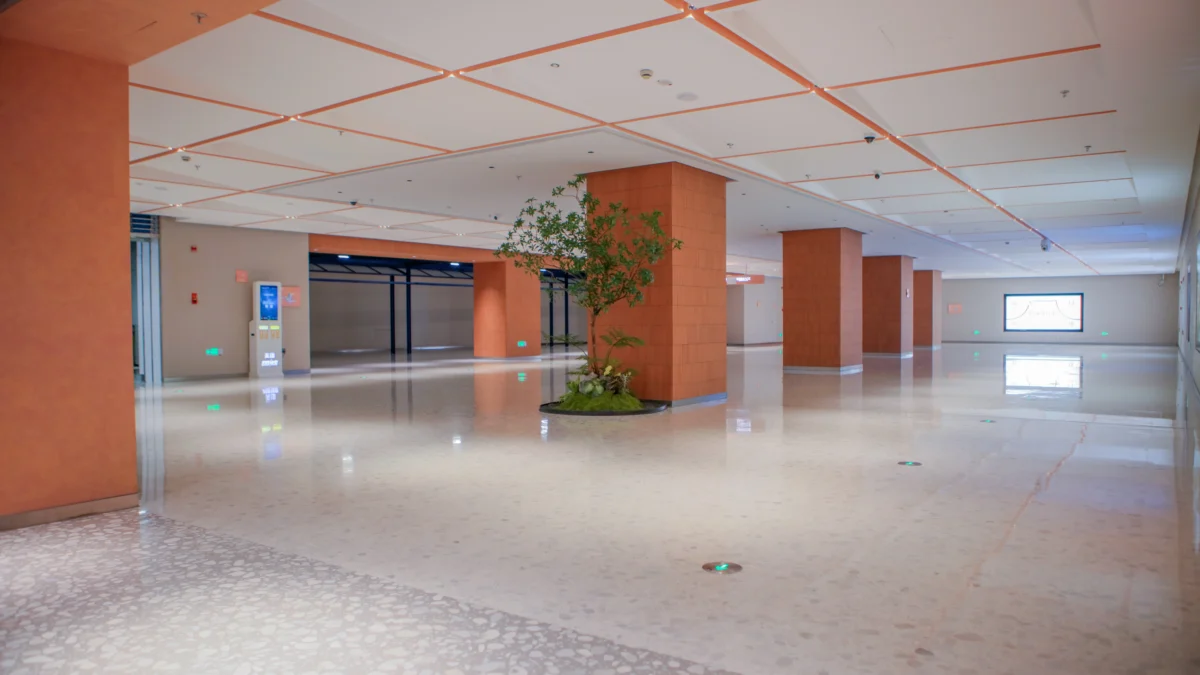
Large-format tiles, often exceeding 24×24 inches and reaching 48×48 inches or larger, transform commercial spaces. Designers specify these tiles for hotel lobbies, retail boutiques, and open commercial areas. The fewer grout lines create a seamless, expansive surface. This visual continuity enhances the sense of space.
For luxury terrazzo applications, large formats elevate the design. The tiles showcase the full pattern without interruption. A lobby flooring in large-format terrazzo porcelain tile makes a bold statement. The scale of the flooring matches the scale of the room. This creates a harmonious and sophisticated environment.
Terrazzo flooring tiles in large formats require careful planning. The subfloor must be perfectly level. Installers need specialized tools and experience. The larger surface area of each tile means fewer joints. This reduces maintenance and improves hygiene. Commercial flooring benefits from these practical advantages.
Large-format tiles support modern design trends. Clean lines and minimal grout appeal to contemporary aesthetics. Designers combine these tiles with other materials for custom layouts. The durability of porcelain ensures the flooring performs under heavy traffic. Hotels and retailers choose this option for longevity and visual impact.
The seamless appearance of large-format flooring enhances natural light reflection. This brightens the space and reduces the need for artificial lighting. Architects appreciate this energy-efficient benefit. The minimal grout lines also simplify cleaning. Commercial spaces with high hygiene standards benefit from this feature. Luxury terrazzo flooring showcases the craftsmanship of large-format production.
G·ONE provides comprehensive resources for designers. Digital catalogs and design lookbooks allow professionals to compare formats side by side. These tools show how different sizes affect visual continuity and installation complexity. Designers can evaluate options before specifying. This support ensures the selected format aligns with project goals.
Terrazzo Floor Tile Thickness
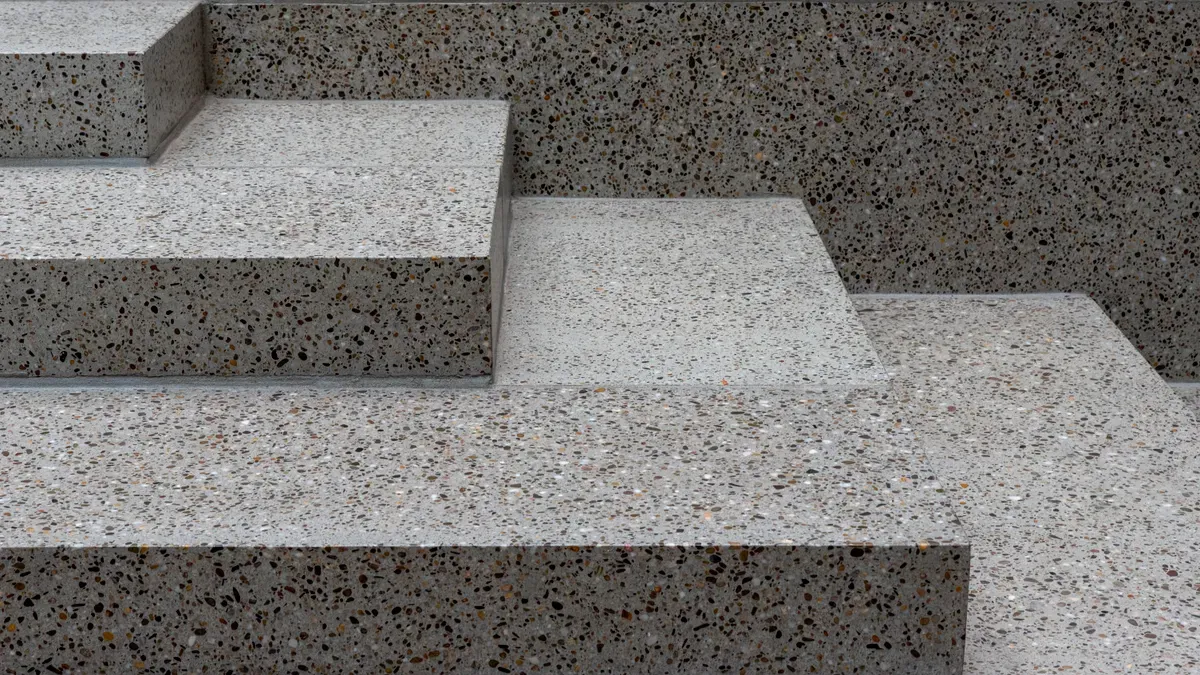
Thickness selection directly determines how flooring performs under specific traffic levels, load requirements, and environmental conditions. Architects must evaluate these factors before specifying. Traditional cast-in-place terrazzo requires a three-to-four-month ordering and installation cycle. Terrazzo porcelain tile offers a faster alternative. It delivers comparable visual impact with lower maintenance demands. EU production standards provide a reliable reference for specification. These guidelines ensure consistent quality across manufacturing batches. A terrazzo floor tile in 2cm thickness suits typical residential needs. Flooring professionals rely on these benchmarks for accurate specification.
2cm and 3cm for Standard Traffic
Terrazzo flooring tiles in 2cm thickness suit most interior residential applications. Designers specify this format for bathrooms, kitchens, and private residences. The production process follows strict EU guidelines. These standards guarantee dimensional accuracy and structural integrity. Flooring in these settings does not require extreme load capacity. A standard tile carries enough mass to resist cracking under normal use. The lighter weight reduces shipping costs and labor requirements. Flooring installers find standard formats easier to maneuver through tight spaces.
For moderate commercial traffic, 3cm thickness provides enhanced durability. Office corridors, boutique retail spaces, and small hospitality venues benefit from this reinforcement. The added thickness distributes point loads more effectively. Furniture legs and rolling carts create less surface stress. Terrazzo in 3cm form offers a practical middle ground. Flooring in this range balances increased robustness with reasonable material weight. Tiles in this thickness meet production standards for commercial requirements. The safety margin allows for unexpected load variations. Tiles resist cracking even under heavy display fixtures.
Both thickness options allow for efficient manufacturing. These tiles reach project sites faster than traditional terrazzo alternatives. Craftsmanship in these standard thicknesses ensures consistent color across all tiles. Flooring installers achieve reliable results with standard cutting tools. The surface remains level throughout installation. Flooring in these categories maintains performance over decades. These tiles offer an excellent balance of cost and function. Tiles in standard formats suit a wide range of design applications. Grout lines align properly with standard spacing techniques.
4cm for High-Load and Exterior Use
High-traffic spaces demand a thicker profile. A 4cm option handles significant loads without failure. Flooring in large hotel lobbies, airport terminals, and public concourses requires this structural capacity. Exterior applications also benefit from 4cm thickness. The added mass resists thermal expansion forces. Freeze-thaw cycles create less stress on the robust profile. Terrazzo flooring tiles in this category meet EU standards for exterior use. Flooring in these conditions demands exceptional structural integrity. The 4cm format satisfies minimum thickness benchmarks for demanding installations.
Durability remains the primary advantage of this thickness. Tiles withstand heavy foot traffic, luggage carts, and occasional vehicle loads. Flooring in these settings maintains aesthetic appeal over decades. Terrazzo in 4cm format supports outdoor furniture and planters without damage. The installation requires careful subfloor preparation. Tiles in this category demand substantial structural planning. Flooring architects coordinate with engineers to verify load-bearing capacity. These tiles deliver consistent performance in extreme conditions. Terrazzo flooring tiles require precise leveling during installation.
The investment in thicker tiles pays off through extended service life. Durability in these tiles eliminates frequent replacement cycles. Maintenance requirements remain minimal compared to stone or concrete alternatives. Terrazzo in thicker formats allows for greater aggregate exposure. Flooring craftsmanship produces uniform density throughout each tile. Tiles manufactured to this standard contain no weak points within the flooring structure. Terrazzo performance in extreme conditions validates this specification. Flooring professionals recognize the importance of matching thickness to application demands. Durability in high-traffic spaces depends on correct thickness selection. Tiles in these formats prevent costly repairs and premature replacement. These tiles deliver lasting value for major commercial projects. Flooring in demanding categories requires careful planning and execution.
Terrazzo Patterns and Layouts
Classic and Modern Terrazzo Patterns
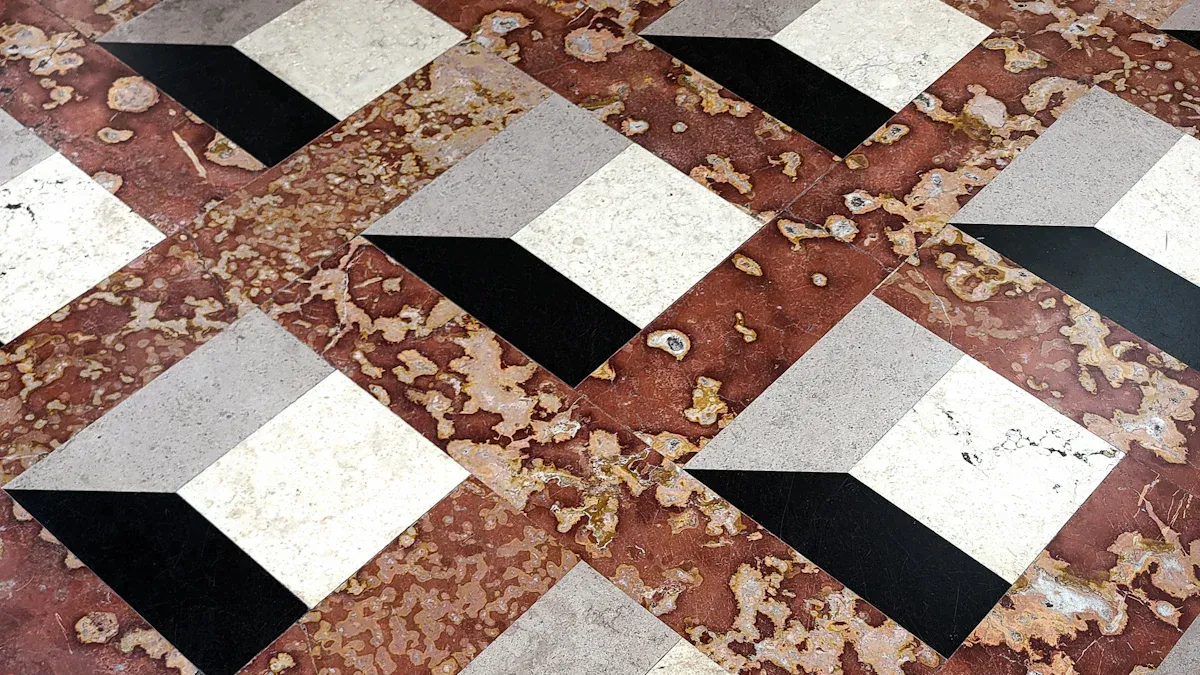
Aggregate blends, pigments, and HD digital printing give terrazzo porcelain tile an extraordinary range of looks. Classic speckled patterns evoke mid-century warmth. Bold contemporary designs feature large chips, dramatic contrast, and geometric precision. Designers select from fine-grain confetti, marble-like veining, or monochromatic minimalism. Each option changes how a space feels. A terrazzo floor tile with subtle aggregate suits quiet residential interiors. A luxury terrazzo pattern with vivid chips anchors a hotel lobby. Digital printing reproduces these effects with remarkable fidelity. The result brings the richness of traditional terrazzo into modern design without the curing time.
Pattern choice also shapes perceived scale. Small, dense chips create visual texture that softens large rooms. Large, sparse aggregates make intimate spaces feel more expansive. Designers balance these effects against lighting, wall color, and furniture. A neutral terrazzo supports contemporary interiors and lets other elements lead. A dramatic pattern becomes the focal point. Both approaches rely on the same porcelain body. The difference lives entirely in the surface design. This versatility makes terrazzo flooring tiles a powerful tool for storytelling through material.
Combining Sizes for Custom Layouts
Layout strategy transforms individual tiles into a cohesive design. Mixing sizes creates rhythm and visual hierarchy. A field of large-format tiles with a border of smaller ones frames a room elegantly. Designers use pattern to define zones in commercial and residential spaces. A change in tile size signals a transition from corridor to lounge. A border in contrasting aggregate separates dining from living areas. These techniques guide movement and add sophistication without walls.
Borders and inlays demand precise craftsmanship. Installers align grout lines carefully to maintain visual continuity. A terrazzo floor tile used as an accent strip adds a refined detail. Luxury terrazzo installations often combine three or more formats in one layout. This approach showcases the material’s full potential. Durability remains consistent across all sizes because the porcelain body is uniform. Designers achieve modern style and lasting performance in one specification.
G·ONE supports these ambitions with custom-made solutions. The brand offers tailored colors, aggregate blends, and molds. Designers can request project-specific samples before finalizing. This collaboration ensures the flooring matches the design intent exactly.
Specifying with G·ONE
G·ONE specializes in sustainable building materials. The product lines include regular, recycled, and mosaic options plus UHPC plates. Designers worldwide choose these solutions. The brand offers tailored consultations, project samples, and expert engineering support. The mission centers on innovation, sustainability, and excellence. The slogan “Small actions, big impact” reinforces this approach. Terrazzo flooring tiles from G·ONE combine aesthetics with performance.
A Practical Selection Checklist
A clear checklist guides specification. First, assess traffic levels and load demands. This determines the correct thickness. Terrazzo flooring tiles in standard thickness suit residential interiors. Thicker terrazzo flooring tiles handle commercial areas. Modern design often prefers large formats with minimal grout lines. Second, define the design intent. This influences pattern and aggregate choices. Third, request project samples. G·ONE sends samples that match final production. Designers verify the tile color and chip distribution. Fourth, confirm subfloor conditions. Proper preparation extends durability. This systematic approach reduces errors. The selected flooring meets visual and performance goals. Craftsmanship in manufacturing ensures consistent quality. Each tile undergoes rigorous inspection. The final flooring installation showcases expert work. Luxury terrazzo options deliver refined aesthetics.
Avoiding Common Mistakes
Specification errors often stem from incomplete data. One common mistake involves selecting a thickness that cannot support heavy traffic. Designers must match the flooring to actual conditions. Another error ignores subfloor leveling. Uneven surfaces cause tiles to crack. G·ONE engineering support reviews these factors. The team recommends adjustments before production. Samples prevent costly corrections. Sustainability requires careful attention. Recycled options reduce environmental impact while maintaining durability. Designers who specify these tiles achieve green standards. The brand mission supports these efforts. Specifiers who avoid pitfalls create durable spaces. Luxury terrazzo installations showcase expert craftsmanship. The craftsmanship in every detail reflects planning. Modern design achieves harmony with the right product selection. This flooring delivers reliable performance. The tiles meet specific requirements in each project. These tiles support long-term use. Specifying the correct flooring requires careful analysis. Durability remains a top priority. This flooring choice impacts the entire project. These tiles offer design flexibility. Commercial flooring requires robust materials. Select tiles that match each application.
Size, thickness, and pattern interlock to balance aesthetics, durability, and functionality. The right flooring transforms a space. Terrazzo porcelain tile offers a flooring solution with the richness of traditional materials and porcelain’s performance benefits. These terrazzo flooring tiles suit commercial and residential spaces. Each project demands careful specification of these tiles. These terrazzo flooring tiles provide reliable durability and perform for decades. These tiles ensure long-term durability. Commercial flooring benefits from robust tiles. Residential flooring works with versatile tiles. These tiles support modern design goals and reduce maintenance costs. Specify these tiles and apply the checklist. Consult the G·ONE team. These tiles deliver lasting performance. Durable flooring tiles make a smart investment for long-term flooring performance.
FAQ
What size terrazzo porcelain tile works best for a residential bathroom?
Standard formats between 12×12 inches and 24×24 inches suit bathroom floors. These tiles simplify installation and reduce waste. Designers choose them for easy handling and predictable layout. The grout lines add visual texture. Homeowners gain a surface that resists moisture and stains.
How does tile thickness affect durability in commercial spaces?
Thickness determines load capacity and wear resistance. A 3cm tile handles moderate commercial traffic well. A 4cm tile supports heavy loads in hotel lobbies and airport terminals. Architects match thickness to actual traffic levels. This approach extends the service life of the tiles.
Can designers mix different terrazzo tile sizes in one layout?
Yes. Mixing sizes creates rhythm and visual hierarchy. A field of large-format tiles with a border of smaller ones frames a room. Designers use size changes to define zones. This technique guides movement without walls. The porcelain body stays uniform across all formats.
What support does G·ONE offer during specification?
G·ONE provides digital catalogs, design lookbooks, and project samples. The team offers tailored consultations and engineering support. Designers verify color and chip distribution before production. This collaboration ensures the tiles match design intent. The brand mission centers on innovation and sustainability.
Does terrazzo porcelain tile require special maintenance?
No. Porcelain resists stains, moisture, and wear. Routine cleaning with standard products maintains the surface. The durability of these tiles reduces long-term maintenance costs. Commercial and residential spaces benefit equally. Minimal grout lines in large formats simplify cleaning further.