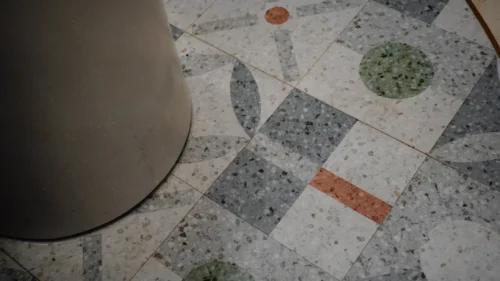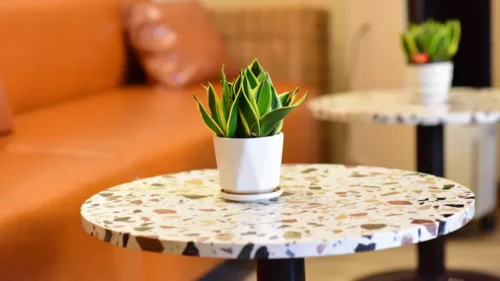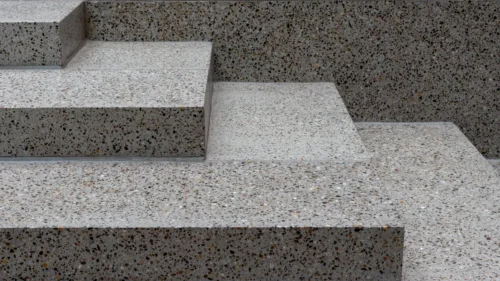

The best terrazzo tile fits your space when you match type, style, and performance to your needs. Think about how you use each room, your design goals, and what you want from your flooring. A guide to terrazzo helps you make confident choices, so you feel sure about your decision. The ultimate guide to terrazzo can show you how to compare terrazzo tiles and select the right tiles. gui yi’s expertise makes the process simple.
Key Takeaways
- Learn the basics of terrazzo tiles. This includes their history and what they are made of. This helps you make smart choices.
- Pick cement-based or epoxy-based terrazzo tiles. Your choice depends on your design needs and how strong you need them to be.
- Think about how you use your space and how many people walk there. This helps you pick the right terrazzo for busy or quiet areas.
- Think about color and pattern. These things change how your space feels and looks a lot.
- Ask for samples and mockups. This lets you see how the tiles will look in your space before you decide.
- Make a plan for good installation. You need a clean and flat floor. Talk to experts to get the best results.
- Take care of your terrazzo tiles. Clean them often and reseal them. This keeps them looking nice and helps them last longer.
- Choose eco-friendly terrazzo tiles. These use recycled materials. This helps the planet and makes your air cleaner.
Guide to Terrazzo Tile Basics
What Is Terrazzo Tile
When you learn about terrazzo tiles, you find out they have a long history. People have used terrazzo since ancient times. In the 15th century, Venetian workers made floors by mixing marble pieces with clay. This made flooring that was not expensive. Today, terrazzo is made from chips of marble, quartz, granite, glass, or other things. These chips are put into a binder. The binder can be cement, epoxy, or both. After it dries, the surface is polished. This makes it smooth and shiny. The result is a strong and pretty floor that looks great anywhere.
Types of Terrazzo Tiles
There are a few main types of terrazzo tiles. Each type has its own features and works for different needs.
Cement-Based
Cement-based terrazzo uses cement as the binder. It gives a classic look and is very strong. This type is good for old-style designs and busy places.
Epoxy-Based
Epoxy-based terrazzo uses resin as the binder. You get more choices in colors and patterns. Epoxy terrazzo is also lighter and thinner. It is easier to put in modern rooms.
Precast vs. Poured
You can pick precast terrazzo tiles. These are made in a factory and then brought to your place. Precast tiles are always the same quality and are fast to install. Poured terrazzo is mixed and poured right on your floor. This way, you can have floors with no seams and special shapes.
| Type of Terrazzo | Composition | Application Characteristics |
|---|---|---|
| Cement-based | Cementitious binder | Durable, traditional aesthetics, various forms available. |
| Epoxy-based | Resinous binder | Enhanced flexibility, durability, and design possibilities. |
| Precast Terrazzo | Precast elements | Suitable for quick installation and consistent quality. |
| Poured Terrazzo | Poured in place | Allows for seamless designs and custom shapes. |
Key Features and Benefits
Terrazzo tiles have many good points. They last a long time and do not wear out fast. This makes them a smart buy. You only need to sweep and mop to keep them clean. Terrazzo tiles come in many colors, patterns, and styles. You can pick what you like best. Many terrazzo tiles use recycled materials. This makes them good for the planet. The surface does not let stains or germs in, so your floor stays safe and clean. You can use terrazzo for floors, stairs, counters, and walls. The ultimate guide to terrazzo shows how useful and valuable this material is for your project.
Tip: Terrazzo tiles are great for busy places like airports, schools, and malls. You can also use them at home for a special and strong floor.
If you want floors that are pretty, strong, and good for the earth, terrazzo tiles are a great pick. When you know about the types and benefits, you can choose the best one for your space.
Space Assessment for Terrazzo Tiles
Before you choose terrazzo tiles, you need to look at your space and how you plan to use it. Every room has its own needs. You want to make sure your terrazzo tile matches those needs. gui yi helps you with a personalized space assessment so you can find the best fit.
Room Function & Usage
When you pick terrazzo tiles, you must think about what happens in the room. Some rooms have lots of people walking through. Others stay quiet most of the time. You also need to know if the room gets wet or stays dry.
High vs. Low Traffic
Rooms with high foot traffic, like commercial spaces, schools, or hospitals, need strong terrazzo tiles. You want flooring that lasts and does not wear out fast. In places with low traffic, like bedrooms or home offices, you can focus more on style and design.
- Think about these points:
- What is the main purpose of the room?
- How many people walk through each day?
- Do you need extra durability for high foot traffic?
- Will the flooring face heavy use, like in kitchens or hallways?
Wet vs. Dry Areas
Some rooms, like bathrooms and kitchens, get wet often. You need terrazzo tiles that resist water and stains. Dry areas, such as living rooms or bedrooms, do not need as much moisture protection.
- Wet areas need:
- Tiles that do not let water in.
- Surfaces that resist mold and mildew.
- Easy cleaning for spills and stains.
Tip: Use properly sealed terrazzo tiles in bathrooms and kitchens. This keeps your flooring safe from water damage and makes cleaning easier.
Indoor vs. Outdoor Use
You must decide if you want terrazzo tiles inside or outside. Indoor spaces, like living rooms and bedrooms, need tiles that match your style and comfort. Outdoor spaces, such as patios or walkways, need tiles that handle weather and temperature changes.
| Type of Terrazzo | Characteristics | Suitability for Use |
|---|---|---|
| Cement-based terrazzo | Classic appearance, high compressive strength | Ideal for heavy foot traffic |
| Epoxy terrazzo | Enhanced flexibility, chemical resistance, higher compressive strength | Suitable for modern applications |
| Properly sealed terrazzo | Resistant to water damage, mold, and mildew | Suitable for both indoor and outdoor use |
Outdoor terrazzo tiles must be non-porous and temperature stable. They resist cracking and grout line separation. Indoor tiles can focus more on design and comfort.
- Outdoor terrazzo tiles:
- Resist moisture and water damage.
- Stay strong in hot or cold weather.
- Prevent mold and staining.
Size and Layout
The size and layout of your terrazzo tiles change how your room looks and feels. Large tiles make a space look bigger and cleaner. Small tiles or mosaics add detail and interest. You must match tile thickness and aggregate size to your room’s needs.
| Terrazzo Type | Thickness |
|---|---|
| Poured-in-place epoxy | 3/8″ thick |
| Epoxy terrazzo tile | 3/8″ thick plus setting material |
| Cement terrazzo | 1/2″ to 1 inch thick plus setting material |
| Aggregate Size | Description |
|---|---|
| Size 0 to 2 | Standard sizes for epoxy terrazzo |
| Size 3 to 8 | Venetian chips, increase thickness |
Rooms with lots of space, like commercial lobbies, often use larger tiles. Small rooms, such as bathrooms, may use smaller tiles or mosaics. The layout depends on your design goals and the size of the area.
Note: gui yi’s experts help you choose the right tile size and layout for your space. They look at your room’s dimensions and suggest the best options for terrazzo tiles.
When you assess your space, you make sure your terrazzo tiles fit your needs. You get flooring that lasts, looks good, and works well in every room.
Choosing Terrazzo Tile Style
Color and Pattern
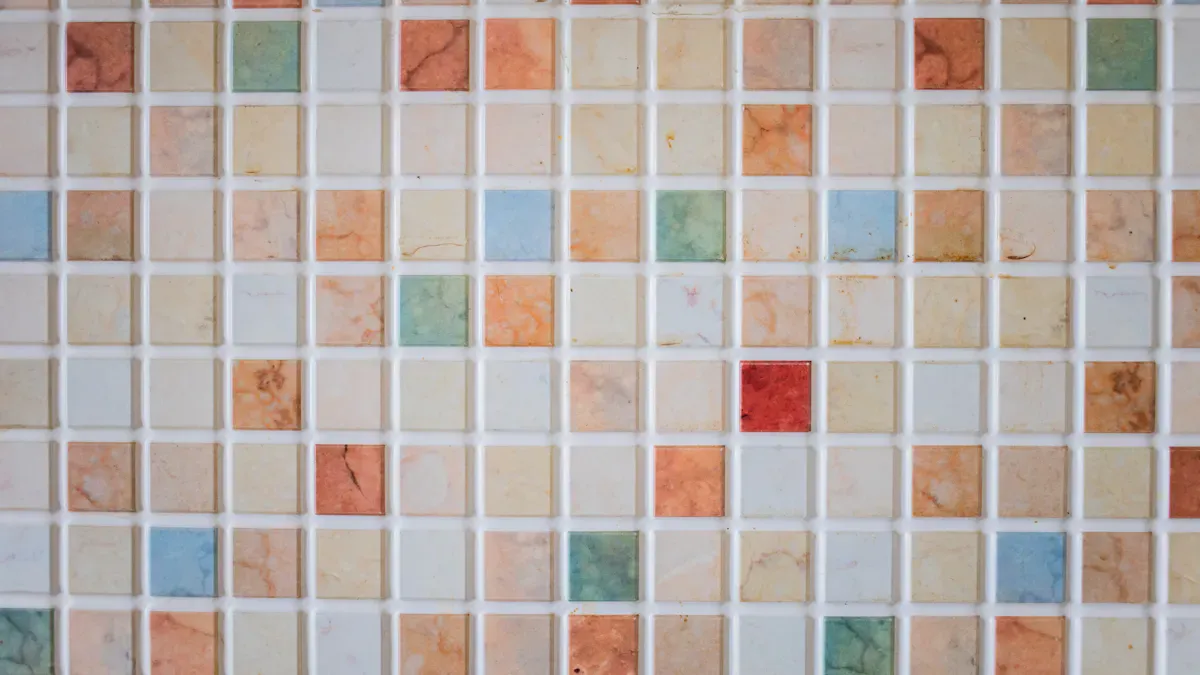
When you select terrazzo tiles, color and pattern shape the mood of your space. You can find terrazzo in almost any color, from deep shades to bright tones. Bold colors like red, blue, orange, yellow, and pink often appear in retro designs. These colors make a statement and bring energy to a room. If you want a calm and modern look, choose micro-terrazzo styles. These use tiny chips and soft colors for a gentle effect. Mid-chip blends, with medium-sized marble or stone pieces, give a balanced look that feels both textured and neat.
Matching Decor
You want your terrazzo tiles to fit your decor. Think about the colors and patterns in your furniture, walls, and accessories. Here are some popular ways to match terrazzo with your style:
- Minimalist style uses simple colors and textures. This creates a modern and luxurious space.
- High-aesthetic interiors use polished finishes and diverse patterns. This gives your room a classy look.
- Retro style uses bold colors and elaborate patterns. This brings a vintage feel to your home or business.
Tip: Bring fabric or paint samples when you shop for terrazzo tiles. This helps you see how the colors and patterns will look in your space.
Visual Impact
The right terrazzo tile pattern can change how a room feels. Large, bold patterns draw the eye and make a space feel lively. Small, subtle patterns create a calm and relaxed mood. You can use terrazzo tiles to highlight a feature wall or make your flooring the star of the room.
- Bright colors and large patterns add energy.
- Soft colors and small chips create a peaceful vibe.
- Unique motifs and custom designs let you show your personality.
Tile Size and Shape
The size and shape of your tiles affect how big or small a room feels. You can use this to your advantage in both residential and commercial spaces.
Large vs. Small Format
Large tiles make a room look bigger and cleaner. They have fewer grout lines, which gives a smooth and open feel. Small tiles add texture and detail. They make a space feel cozy and interesting.
- Large tiles work well in open areas like living rooms or lobbies.
- Small tiles fit best in bathrooms or entryways where you want more detail.
Mosaic and Geometric
Mosaic tiles use many small pieces to create patterns or pictures. These add depth and visual interest. Geometric shapes, like hexagons or triangles, make a space feel modern and dynamic. Rectangular tiles can stretch or widen a room, depending on how you lay them. Square tiles give balance and symmetry, which is good for calm spaces.
| Tile Shape | Effect on Space |
|---|---|
| Small tiles | Add texture and make rooms feel cozy |
| Large tiles | Make rooms look bigger and cleaner |
| Rectangular | Elongate or widen a space |
| Square | Create balance and stability |
| Geometric | Add dynamic patterns and visual interest |
Note: Try different tile layouts to see how they change your room. You can ask for layout samples from suppliers before you decide.
Aggregate Types and Ratios
The chips inside terrazzo tiles, called aggregates, change both the look and strength of your flooring. You can choose from marble, glass, quartz, or even recycled materials. The amount and type of aggregate affect color, texture, and durability.
When you use more recycled aggregates, you get a unique look and help the environment. Some terrazzo tiles use up to 77% recycled glass or stone. This not only looks good but also makes the tiles stronger. Other tiles use up to 60% natural quartz, which gives a custom look and better performance.
You can pick the ratio of chips to binder for your perfect terrazzo tiles. More chips mean a busier, more textured look. Fewer chips give a smoother, simpler style. The right mix depends on your taste and how you want your space to feel.
Tip: Ask your supplier for samples with different aggregates. This helps you see and feel the options before you select terrazzo tiles for your project.
Choosing the right style means thinking about color, pattern, size, shape, and aggregate. You can create a space that matches your vision and meets your needs, whether you want a bold statement or a calm retreat.
Achieving Perfect Terrazzo Tiles
You want your space to look amazing and last for years. To achieve perfect terrazzo tiles, you need to focus on a few important steps. Each step helps you get the best results for your home or business.
1. Start With a Clear Vision
Think about how you want your room to feel. Do you want a bold and colorful look, or do you prefer something calm and simple? Write down your ideas or collect pictures that inspire you. This will help you explain your style when you talk to a designer or supplier.
2. Request Samples and Mockups
You should always ask for samples before you make a final choice. Hold the terrazzo tile samples in your hand. Place them in your room and see how they look in different lights. You can also ask for a small mockup. This lets you see how the colors, patterns, and aggregates work together in your space.
Tip: Take photos of the samples in your room at different times of day. This helps you see how natural and artificial light change the look of terrazzo.
3. Work With Experts for Customization
You do not have to choose from only standard options. Many suppliers, like gui yi, offer custom terrazzo solutions. You can pick the color, aggregate type, and pattern that match your vision. Experts can help you design a unique floor or wall that fits your needs.
4. Check Quality and Consistency
Perfect terrazzo tiles have even color, smooth surfaces, and strong structure. When you look at samples, check for cracks, chips, or uneven spots. Ask your supplier about their quality control process. High-quality terrazzo lasts longer and looks better over time.
5. Plan for Installation
Good planning makes installation easier. Measure your space carefully. Make sure the subfloor is clean and level. Talk to your installer about the layout and direction of the tiles. This helps you avoid mistakes and get a smooth finish.
6. Review Maintenance Needs
Ask about cleaning and care before you buy. Some terrazzo needs special sealers or cleaners. Others are easy to maintain with just sweeping and mopping. Choose a type that fits your lifestyle and the amount of time you want to spend on upkeep.
| Step | What to Do | Why It Matters |
|---|---|---|
| Set Your Vision | Collect ideas and images | Guides your choices |
| Request Samples | Test tiles in your space | Shows true color and pattern |
| Customize | Work with experts for unique designs | Matches your exact needs |
| Check Quality | Inspect for flaws and ask about quality control | Ensures long-lasting beauty |
| Plan Installation | Measure and prepare the area | Prevents mistakes and delays |
| Review Maintenance | Learn about cleaning and care | Keeps terrazzo looking new |
Note: gui yi can guide you through each step. Their team helps you choose, customize, and install terrazzo so you get the best results.
When you follow these steps, you can achieve perfect terrazzo tiles for any space. You get a floor or wall that matches your style, stands up to daily use, and stays beautiful for years.
Terrazzo Flooring Durability & Maintenance
If you pick terrazzo flooring, you want it to last a long time. Terrazzo tiles are strong and easy to take care of. When you think about durability and maintenance, your floors can stay nice and tough.
Material Performance
Cement vs. Epoxy
There are two main kinds of terrazzo tiles. One is cement-based, and the other is epoxy-based. Cement terrazzo looks classic and fits many rooms. Epoxy terrazzo is even stronger and more flexible. Epoxy terrazzo does not stain or scratch as easily as cement terrazzo. This makes epoxy terrazzo great for busy places like schools and airports. Cement terrazzo can wear out faster in places with lots of people. Epoxy terrazzo keeps its shine and color for a longer time.
Stain & Scratch Resistance
Epoxy terrazzo is very good at stopping stains and scratches. You can clean up spills fast, and the surface does not scratch easily. Cement terrazzo needs more care to stop stains and marks. If you want the best protection, epoxy terrazzo is a good choice for busy rooms.
Tip: Pick epoxy terrazzo tiles for busy areas. They give you the best stain and scratch protection.
Cleaning and Care
Daily Maintenance
You can keep your terrazzo floors looking new with easy daily care. Try these steps:
- Sweep or dust mop every day to get rid of dirt.
- Use a damp mop and a pH-neutral cleaner for wet cleaning.
- Wipe up spills right away to stop stains.
Long-Term Upkeep
Every few months, give your terrazzo tiles a deeper clean. Use a terrazzo cleaner and a soft brush. Buff out small scratches if you see them. For big problems, ask a professional for help. Reseal your terrazzo floors every few years if you see more stains or dull spots. This keeps the surface strong and shiny.
Note: Cleaning and resealing often helps your terrazzo floors last longer and look great.
Longevity and Wear
Terrazzo flooring is known for lasting a very long time. Many terrazzo floors last longer than the buildings they are in. You see terrazzo in public places because it can handle lots of people and still look good. The table below shows how terrazzo lasts compared to other floors:
| Flooring Type | Average Lifespan |
|---|---|
| Traditional Tiles | 10 to 15 years |
| Poured Terrazzo | More than 40 years |
If you take care of your terrazzo tiles, you can have nice floors for many years. Terrazzo flooring gives you style and strength, so it is a smart pick for any space.
Sustainability & Health in Terrazzo Tiles
Eco-Friendly Materials
Choosing terrazzo tiles helps the planet. Many terrazzo tiles use recycled things. You can find tiles with old glass, marble, or granite chips. Some floors use only recycled glass and have up to 75% recycled parts. Using leftover stone makes terrazzo a smart green choice. Terrazzo often mixes recycled glass or plastic with cement or epoxy. This mix cuts down on waste and saves natural resources.
Recycled Content
- Terrazzo tiles can have old glass, marble, and granite chips.
- Some terrazzo floors with only recycled glass have up to 75% recycled parts.
- Using leftover stone helps make terrazzo a green choice.
- Terrazzo uses recycled glass or plastic with cement or epoxy.
Sustainable Aggregates
You can pick terrazzo tiles with green aggregates. These come from recycled or renewable places. Choosing these helps the earth and lowers your carbon footprint. You help the planet by picking terrazzo with green materials.
Indoor Air Quality
Terrazzo tiles help keep your air clean. Many tiles use binders with low VOCs. VOCs are chemicals that can hurt air quality. Low-VOC terrazzo means less bad air and a healthier space for you.
| Attribute | How It Helps Indoor Air Quality |
|---|---|
| Zero VOC Content | Makes less bad air, so air is cleaner. |
| Non-Porous Nature | Stops water from building up, so less mold. |
| Sustainability Features | Lasts longer, so air stays cleaner. |
Terrazzo tiles do not let water in. This stops mold and bacteria from growing. You get a cleaner and safer home or work area. These things matter if you want a healthy place to live or work.
Low VOC Options
- Many terrazzo tiles use binders with low or no VOCs.
- Low-VOC terrazzo helps keep your air fresh and safe.
Health Benefits
Terrazzo does not let germs grow. The surface keeps out water. This helps stop mold and keeps your space healthy. You get easy cleaning and a safer place with terrazzo floors.
Certifications & Standards
When you buy terrazzo, look for labels that show it is green.
- Recycled terrazzo can help you get LEED points.
- Zero VOC terrazzo makes air better and helps with LEED credits.
- Terrazzo can last over 100 years, so it is a strong and green floor.
- Certifications may also look at site impact, water and energy use, material choice, indoor air, and new ideas.
You can trust terrazzo to meet high green and health standards. These things add to the many good points of terrazzo floors and make them a smart pick for your next project.
Terrazzo Tile Cost & Value
Price Ranges
You need to know how much terrazzo tiles cost. The price depends on the material, how you install it, and your design.
Tile vs. Installation Costs
- Terrazzo tiles cost $4 to $12 for each square foot.
- Installing terrazzo tiles costs $5 to $10 per square foot.
- The total price is $9 to $22 for each square foot.
- Prefabricated terrazzo tiles cost $10 to $20 per square foot.
Custom designs or special chips can cost more money. Simple patterns and regular sizes help keep prices lower.
Cement vs. Epoxy Pricing
Cement terrazzo tiles usually cost less than epoxy terrazzo. Epoxy terrazzo gives you more color and design choices, but it costs more. Cement terrazzo is good for classic looks and big rooms. Epoxy terrazzo works well for modern styles and places that need strong floors.
Value for Money
You want your terrazzo floor to last a long time. Terrazzo tiles are worth it because they last for many years and need little care.
Durability vs. Upfront Cost
Terrazzo costs more at first than ceramic tile or vinyl. But you save money later because terrazzo lasts longer and needs less cleaning.
| Flooring Type | Initial Cost | Long-term Cost | Maintenance Needs | Longevity |
|---|---|---|---|---|
| Terrazzo | Higher | More cost-effective | Minimal | 40-50 years |
| Ceramic Tile | Lower | Higher over time | Moderate | 10-20 years |
| Vinyl | Lower | Higher over time | High | 10-15 years |
Terrazzo floors can last as long as the building. You do not need to replace terrazzo tiles often, so you save money.
Long-Term Investment
Terrazzo flooring is strong, easy to care for, and lets you pick many designs. You can make terrazzo shiny again by refinishing it. Using recycled materials helps the planet. These things make terrazzo a smart choice for homes and businesses.
Tip: Terrazzo tiles are very strong and can last a lifetime if you take care of them.
Budget-Friendly Tips
You can get terrazzo flooring even if you do not have a big budget. Try these ideas:
- Pick regular tile sizes and simple patterns to save money.
- Choose the type and size of chips carefully. Smaller or local chips cost less.
- Use aluminum divider strips instead of expensive ones.
- Make your design simple to save on labor.
- Buy terrazzo tiles made nearby to save on shipping.
- Pour epoxy terrazzo over old floors to avoid tearing them out.
Terrazzo tiles need little cleaning, so you save money over time. With smart choices, you can have nice terrazzo floors without spending too much.
Installation & Sourcing Guide to Terrazzo
Professional vs. DIY
Pros and Cons
You might think about installing terrazzo yourself or hiring a pro. Installing terrazzo is hard and needs special tools. Even if you have done home projects, terrazzo is not like regular tiles. Pouring terrazzo or using big tiles is different from working with concrete.
Even if you are good at DIY, do not install terrazzo by yourself. It may seem easy, but pouring these floors or using large tiles is tricky. You need a lot of skill for this job. It is better to hire a local flooring expert for terrazzo.
Here are some things to think about:
- Professionals can get materials straight from the makers. This means you get more choices and better prices.
- Doing it yourself can cause problems with quality and how long the floor lasts.
- Experts know how to mix terrazzo and grind the surface the right way.
When to Hire Experts
Hire a professional if you want your terrazzo floor to last. Experts have the right tools and know how to avoid mistakes. They can work on big rooms, custom designs, and special needs. If you want a smooth and strong floor, trust a pro.
Preparing for Installation
Subfloor & Leveling
Getting ready is very important for terrazzo installation. You need a flat and clean subfloor. If there are cracks, you must fix them first. Sometimes, you need a flexible layer to cover cracks. Use fill epoxy to make the surface even.
Moisture Considerations
Moisture can hurt terrazzo. Test the floor for moisture before you start. If there is too much moisture, use a system to stop it. This keeps your terrazzo strong and safe from damage. Always check for leaks or wet spots before you begin.
Here are the main steps to get ready for terrazzo:
- Shot blasting takes off the top layer of concrete for a strong bond.
- Check the floor for cracks, moisture, and if it is level.
- Plan the design layout with divider strips.
- Mix the aggregates with epoxy resin and hardener.
- Pour the terrazzo mix so it is even.
- Grind the terrazzo after it dries for a smooth finish.
- Fill any small holes with grout.
- Polish and seal the surface to protect it.
Tip: Careful prep helps your terrazzo floor last longer and look better.
Where to Buy Terrazzo Tiles
Choosing Reputable Suppliers
You need to know where to buy terrazzo tiles. Picking a good supplier is important for quality and service. Use these tips to find the best place:
| Criteria | Description |
|---|---|
| Checking References | Ask other customers what they think about the supplier. |
| Product Information | Look for clear info about the terrazzo, safety, and the environment. |
| Viewing Slabs and Tiles | Check samples to see color, texture, and finish. |
| Assessing Finishes | See how finishes look in real light. |
| Ethical Sourcing | Pick suppliers who use fair labor and green materials. |
Note: Always ask to see samples before you choose. This helps you pick the best terrazzo tiles for your space.
gui yi’s Trusted Partners
You can trust gui yi’s partners for your terrazzo project. gui yi works with suppliers who have high standards for quality, ethics, and service. Their team helps you from picking tiles to the final installation. This makes your terrazzo project easy and successful.
Questions for Suppliers
When you shop for terrazzo tiles, you want to make smart choices. Asking the right questions helps you find a supplier you can trust. You also make sure you get the best quality for your project. Here are important questions you should ask before you buy terrazzo tiles:
- What is the tile made of?
Ask about the binder and aggregates. You want to know if the tile uses cement, epoxy, or recycled materials. This helps you match the tile to your needs. - Can I see samples or finished projects?
Request samples to check color, texture, and finish. Seeing real tiles helps you avoid surprises. - What sizes and shapes do you offer?
Find out if the supplier has the size and shape you want. Some suppliers can make custom sizes or patterns. - How do you handle custom orders?
If you want a special color or design, ask about the process. You should know how long it takes and what it costs. - What is the lead time for delivery?
Ask how long it takes to get your tiles. This helps you plan your project and avoid delays. - Do you provide installation support or recommendations?
Some suppliers work with installers or offer advice. This can help you get the best results. - What are the maintenance requirements?
Learn how to clean and care for the tiles. Ask if you need special sealers or cleaners. - Are your tiles certified for sustainability or indoor air quality?
Certifications show that the tiles are safe and eco-friendly. Look for labels like LEED or low-VOC. - What warranty do you offer?
A good warranty protects your investment. Ask what the warranty covers and how long it lasts. - Can you provide references from past customers?
Talking to other buyers gives you confidence in the supplier’s quality and service.
Here is a quick table to help you remember these questions:
| Question Topic | Why It Matters |
|---|---|
| Tile Composition | Matches tile to your needs |
| Samples/Projects | Shows real color and finish |
| Sizes/Shapes | Fits your design |
| Custom Orders | Plans for special requests |
| Lead Time | Keeps your project on track |
| Installation Support | Ensures proper installation |
| Maintenance | Prepares you for care |
| Certifications | Confirms safety and eco-friendliness |
| Warranty | Protects your investment |
| References | Checks supplier reputation |
Tip: Write down your questions before you visit a showroom or call a supplier. This helps you stay organized and compare answers.
When you ask these questions, you get the information you need. You can choose terrazzo tiles with confidence and avoid problems later.
You can select the best terrazzo tile by following these steps:
- Assess your space and needs.
- Choose the style, color, and aggregates for your terrazzo tiles.
- Check durability and maintenance.
- Consider sustainability and health.
- Set your budget.
- Plan installation with care, making sure the subfloor is even and using proper sealers.
Visit showrooms, request samples, or talk to gui yi’s experts. You will find terrazzo that fits your vision and lasts for years.
FAQ
How do you clean terrazzo tiles?
Sweep or dust mop daily. Use a damp mop with a pH-neutral cleaner for deeper cleaning. Avoid harsh chemicals. Wipe spills quickly to prevent stains.
Can you use terrazzo tiles in bathrooms?
Yes, you can use terrazzo tiles in bathrooms. Choose sealed tiles for water resistance. Proper sealing helps prevent mold and water damage.
Are terrazzo tiles slippery?
Polished terrazzo can feel slippery when wet. You can choose a honed or matte finish for better slip resistance. Use rugs in wet areas for safety.
How long do terrazzo tiles last?
Terrazzo tiles can last over 40 years with proper care. Many public buildings use terrazzo floors for decades because they resist wear and damage.
Can you repair terrazzo tiles if they crack?
Yes, you can repair small cracks with epoxy filler. For large damage, call a professional. Repairs help keep your floor strong and beautiful.
Do terrazzo tiles stain easily?
Epoxy terrazzo resists stains well. Cement terrazzo needs sealing to prevent stains. Clean spills quickly to keep your tiles looking new.
Can you install terrazzo tiles over old flooring?
You can install terrazzo tiles over some old floors if the surface is flat and clean. Ask an expert to check your subfloor before starting.