
If you want strong terrazzo for outside, cement terrazzo is best. It lasts a long time and can handle bad weather. For inside spaces, epoxy terrazzo gives you more colors and design choices. You can see the main differences in the table below:
| Feature | Cement Terrazzo | Epoxy Terrazzo |
|---|---|---|
| Composition | Uses a cement binder, usually gray or white | Uses epoxy binders in many colors |
| Design Versatility | Limited to earthy colors with marble pieces | Flexible with many pieces like glass and plastic |
| Installation Time | Needs more time to dry, so you wait longer | Dries fast (about 24 hours), installs quicker |
| Maintenance | Needs sealing often to stop stains | Not very porous, easy to clean and care for |
| Sustainability | Makes more carbon because of cement | Better for the planet with recycled pieces |
Today, many designers and architects pick terrazzo for its look and its good effect on the planet. You can choose terrazzo with reused materials and certifications like LEED or GSC. These help make spaces healthy and green. Always pick the terrazzo that fits your project, place, and ideas.
Key Takeaways
- Cement terrazzo works well outside because it is strong. It can handle bad weather. Epoxy terrazzo lets you pick from many colors and patterns. This makes it great for inside rooms. Cement terrazzo needs sealing often to stop stains. Epoxy terrazzo is simple to clean and take care of. Cement terrazzo is heavy, so it might need extra support on upper floors. Epoxy terrazzo is good if you want fast work. It dries in about one day, so you finish faster. Both types can use recycled materials, which helps the planet. Epoxy terrazzo is usually better for the environment. Think about how slippery terrazzo is. Cement terrazzo can be made safer for outside. Always talk to designers or architects. They can help you pick the best terrazzo for your project.
Cement Terrazzo and Epoxy Terrazzo Overview
Cement Terrazzo Basics
Composition and Uses
Cement terrazzo uses cement as its main binder. Marble chips are mixed in to make it look classic. This terrazzo is heavier and thicker than others. You can use cement terrazzo outside on patios and walkways. It is also good for plazas. Architects and designers pick cement terrazzo for schools, hospitals, and airports. Shopping malls use it because it handles lots of people walking. Cement terrazzo works for stairs and some walls. It gives a smooth and timeless finish.
- Cement terrazzo uses:
- Outdoor patios and walkways
- High-traffic commercial floors
- Stairs and vertical surfaces
- Large public spaces
Strengths and Limitations
Cement terrazzo is strong and lasts a long time. It is good for outside because it can handle weather changes. Cement terrazzo has natural colors that fit many styles. It takes longer to install and dry than other terrazzo. Cement terrazzo is heavy, so you must check if the building can hold it on upper floors. You need to seal cement terrazzo often to stop stains and keep it looking nice.
Tip: Cement terrazzo is great for outdoor projects. It lasts a long time and looks classic.
Epoxy Terrazzo Basics
Composition and Uses
Epoxy terrazzo uses epoxy resin as its binder. This makes it lighter and thinner than cement terrazzo. You can pick from many colors and pieces, like glass and recycled materials. Epoxy terrazzo is popular in tall buildings because it does not add much weight. You see epoxy terrazzo in lobbies, hallways, and backsplashes in kitchens and bathrooms. Interior designers like epoxy terrazzo because it is flexible and looks bright.
- Epoxy terrazzo uses:
- Interior floors in offices and schools
- Decorative walls and backsplashes
- Countertops and stairs
- Multi-story commercial and residential projects
Strengths and Limitations
Epoxy terrazzo resists chemicals and costs less over time. It is easy to clean because it does not soak up much. Epoxy terrazzo lets you make bold patterns and custom designs. Designers and architects like this. You should use epoxy terrazzo inside. It does not handle sunlight or weather outside as well as cement terrazzo. Epoxy terrazzo dries fast, so you finish projects quicker.
Note: Epoxy terrazzo is best for indoor spaces. It gives you creative choices and is easy to care for.
If you want to use green and artistic materials, guiyi has cement terrazzo and epoxy terrazzo. You can find terrazzo that fits your project, whether you are a designer, architect, or builder.
Cement vs Epoxy Terrazzo: Key Differences
Binder and Structure
The binder is what makes cement terrazzo and epoxy terrazzo different. Cement terrazzo uses cement as its binder. This gives floors a classic look and makes them strong. Epoxy terrazzo uses epoxy resin as the binder. Epoxy resin is more flexible and lasts longer. Epoxy terrazzo has a smoother finish. The binder decides how long your terrazzo will last. Epoxy terrazzo usually stays nice for many years. It resists damage better than cement terrazzo. Cement terrazzo looks traditional, but epoxy terrazzo works better in busy places. If you want a modern floor that lasts, epoxy terrazzo is a good choice. gui yi has both types, so you can pick what fits your project.
Thickness and Weight
You should think about thickness and weight before picking terrazzo. Cement terrazzo is thick and heavy. It is about 2.5 to 3 centimeters thick. This makes it strong, but it adds weight to your building. You need to check if your floors can hold this extra weight. This is important for upper floors. Epoxy terrazzo is much thinner. It can be only 6 to 9 millimeters thick. This makes it lighter and good for tall buildings. You can put epoxy terrazzo over old floors easily. Designers and architects like epoxy terrazzo when weight matters.
Tip: Epoxy terrazzo is great for fixing old spaces or when you need something light.
Aggregate Compatibility
The kind of aggregate you use changes how your terrazzo looks and feels. Epoxy terrazzo works well with almost any kind or size of aggregate. You can use glass, plastic, marble, or recycled materials. This gives you more choices and lets you make cool patterns. Cement terrazzo needs careful planning. Some small or special aggregates may not work well. They can come loose because cement is dense and shrinks. This means you have fewer design options with cement terrazzo.
Here is a quick comparative analysis of aggregate compatibility:
| Terrazzo Type | Aggregate Compatibility | Design Implications |
|---|---|---|
| Epoxy Terrazzo | Bonds well with any type or size of aggregates | More flexibility in design options due to compatibility with various aggregates. |
| Cement Terrazzo | Requires careful specification; smaller and specialty aggregates should be limited or avoided | Limited design options as certain aggregates may dislodge from the binder. |
Epoxy terrazzo lets you use many colors and materials. gui yi’s terrazzo products help designers and architects make spaces beautiful and strong.
Installation and Curing
When you start a terrazzo project, think about how long it takes to finish. Cement terrazzo and epoxy terrazzo need different amounts of time and steps.
- Cement terrazzo needs up to seven days to cure before polishing. You cannot walk on it during this time. The long wait means you must plan your schedule well.
- Epoxy terrazzo cures much faster. You can use the area in about one day. This makes epoxy terrazzo good for busy places or when you need to finish fast.
If you work with guiyi, their experts help you understand these times. This support helps you keep your project moving, no matter your job.
Tip: If you want to finish fast, pick epoxy terrazzo. It cures quickly and saves time.
Stain and Moisture Resistance
Stain and moisture resistance are important when picking terrazzo. Each type reacts to water and spills in its own way.
- Epoxy terrazzo does not let water or stains in. It is easy to clean and care for. You do not have to seal it often.
- Cement terrazzo lets water and stains in if not sealed well. You need to reseal it more to keep it nice.
- Too much moisture under the floor can hurt epoxy terrazzo. You might need a barrier before you put it down.
- Cement terrazzo lets moisture pass through. This can cause problems if you do not seal it right.
If you want a floor that handles spills and is easy to clean, epoxy terrazzo is a good choice. gui yi has both types, so you can choose what fits your needs.
UV and Weather Performance
You should think about sunlight and weather for outdoor terrazzo. The table below shows how each type works:
| Feature | Epoxy Terrazzo | Cement Terrazzo |
|---|---|---|
| UV Resistance | Not good; can peel and fade | Very good; stands up to sun |
| Weather Resistance | Gets worse with changing weather | Made for outdoors; handles tough weather |
| Application | Best for inside use | Great for outside spaces |
Epoxy terrazzo is best for inside. Sun and rain can hurt it over time. Cement terrazzo is strong against sun and bad weather. You can use it for patios, walkways, and plazas. gui yi’s terrazzo helps designers and architects make nice spaces inside and outside.
Maintenance Needs
You should think about how much work your terrazzo floor needs. Taking care of it can change how it looks and how long it lasts. Cement terrazzo and epoxy terrazzo each have their own care steps.
Epoxy terrazzo is simple to keep clean. After you polish it, put on a sealer. This keeps stains and spills from getting in. You only need a soft mop and gentle soap to clean it. Deep stains are not a big problem because epoxy terrazzo does not soak up much. That is why many designers and architects like it for easy care.
Cement terrazzo needs more care than epoxy terrazzo. You have to seal it more often because it soaks up more. If you spill something, clean it fast so it does not stain. Cement terrazzo is tough, but you must seal it often to keep it nice. You will spend more time caring for it than epoxy terrazzo. Many people pick cement terrazzo for outside because it handles weather, but you still need to look after it.
Here are the main care steps for each terrazzo type:
- Epoxy Terrazzo:
- Put on a sealer after you polish it.
- Use a soft mop and gentle soap to clean.
- It is easy to care for and keeps stains away.
- Cement Terrazzo:
- Seal it often so stains do not get in.
- Clean up spills right away.
- Plan to spend more time on care.
Tip: If you want a floor that is easy to care for, epoxy terrazzo is a good pick for busy indoor places.
When you pick guiyi terrazzo, you get strong and green materials. These help designers, builders, and teams make nice spaces with less work. You can choose from classic terrazzo, recycled terrazzo, and other cool surfaces for your project.
Indoor Applications: Epoxy and Cement Terrazzo
Durability and Wear
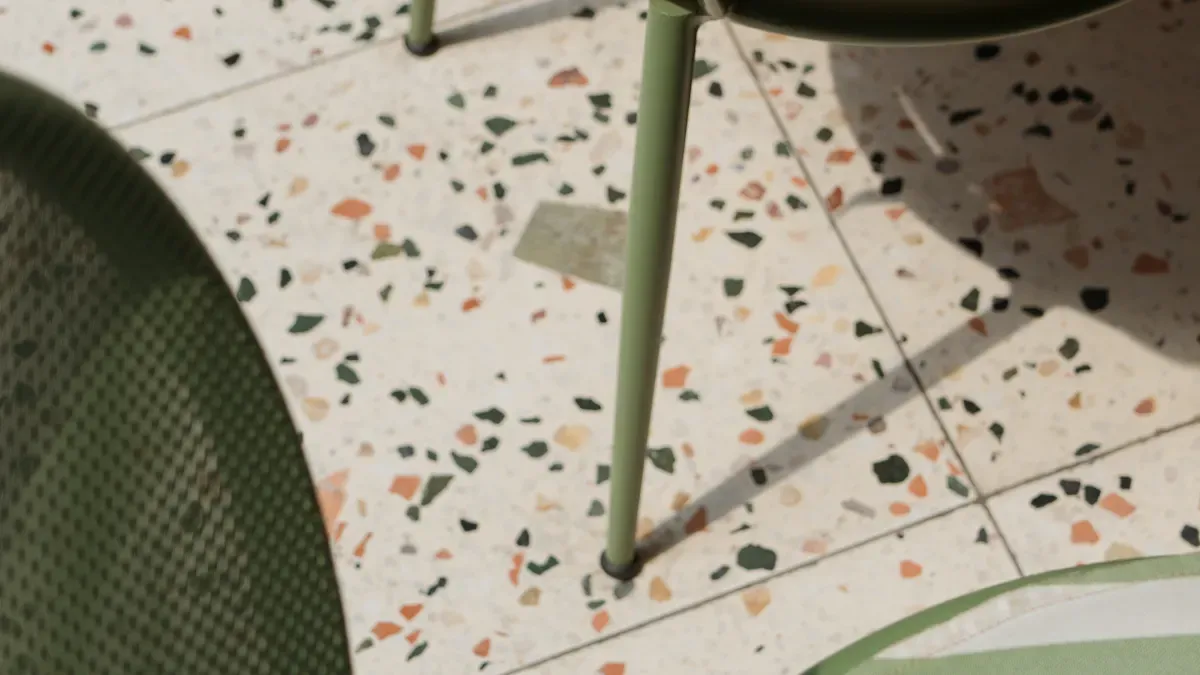
Floors inside need to last a long time. Busy places like schools and malls get lots of people walking. Epoxy terrazzo is very strong. It does not crack easily. It handles heavy use better than cement terrazzo. You see fewer chips and scratches with epoxy terrazzo. Cement terrazzo is strong too. But it can crack on the surface if there is lots of moisture or movement. If you want a floor that stays nice for years, epoxy terrazzo is a smart pick. gui yi gives materials that help designers and builders make floors that last.
Tip: Pick epoxy terrazzo for places where many people walk. It stays shiny and strong even with lots of use.
Design Flexibility
Designers like terrazzo because it lets them be creative. Epoxy terrazzo gives more choices for patterns and colors. You can use glass, mirror, or recycled pieces as aggregates. This helps match brand colors or make fun designs. Cement terrazzo works best with classic aggregates and earthy colors. Patterns are simpler with cement terrazzo. If you want bright colors or special shapes, epoxy terrazzo is better.
| Feature | Epoxy Terrazzo | Cement Terrazzo |
|---|---|---|
| Design Complexity | Lets you make detailed patterns | Works best for simple designs |
| Color Range | Many colors to pick from | Mostly earthy and soft colors |
| Aggregate Types | Can use glass and mirror pieces | Uses classic aggregates |
| Customization | Easy to make bright colors and shapes | Colors can change because of materials |
- Epoxy terrazzo lets you make detailed patterns.
- It has more color choices than cement terrazzo.
- You can use different aggregates to make cool designs.
guiyi has many terrazzo products. These include classic terrazzo, mosaics, and recycled terrazzo. Architects and developers can pick what fits their creative ideas.
Stain Resistance
Floors in kitchens and bathrooms need to stay clean. Epoxy terrazzo does not soak up stains or chemicals. You can clean spills easily. Cement terrazzo soaks up more and needs sealing to stop stains. If you do not seal it, stains can get in and are hard to clean. Epoxy terrazzo makes cleaning easy and keeps your space looking good. gui yi has terrazzo that helps you make healthy and comfy spaces with less work.
Note: Epoxy terrazzo is best for stain resistance and easy cleaning when used indoors.
Maintenance and Cleaning
You want your terrazzo floors to stay nice for a long time. Taking care of them helps them last. Both cement terrazzo and epoxy terrazzo need regular cleaning, but the steps are not always the same.
- Put down a barrier like PRW200 before you grout. This keeps stains away while you install the floor.
- Clean your terrazzo with CLEANER PRO mixed with water. Use one part cleaner and thirty parts water. This mix gets rid of dirt from building work but does not hurt the floor.
- After you clean, put on a water-based protector. This keeps stains out and helps the floor stay shiny.
- For more safety, add an acrylic wax finish. You will need to buff and add more wax often to keep the floor looking new.
- Use diamond pads to grind and polish the floor. This makes it smooth and shiny. Do this again and again for the best look.
- A thin water-based urethane coating means less work and better stain safety. This is good for busy indoor places.
Epoxy terrazzo is easier to take care of than cement terrazzo. You can clean it with a soft mop and mild soap. Cement terrazzo needs sealing and polishing more often. gui yi has terrazzo that is easy to clean and stays pretty for years. Designers and architects like these floors because they last and do not need much work.
Pros and Cons Indoors
When you pick terrazzo for inside, you should think about the good and bad parts of each kind. The table below shows how cement terrazzo and epoxy terrazzo compare for indoor use.
| Type | Pros | Cons |
|---|---|---|
| Cement Terrazzo | Works inside and outside. | Colors are not as bright as epoxy. |
| Handles sunlight well. | Takes longer to dry, sometimes up to a week. | |
| Has many color choices. | Small chips may need fixing. | |
| Epoxy Terrazzo | Needs little care and lasts a long time. | Not good for outside because of sunlight damage. |
| Looks shiny and makes rooms pretty. | Needs a pro to install. | |
| Does not let water in, so it is good for kitchens and bathrooms. | Sunlight for a long time can make colors fade. |
Cement Terrazzo Indoors
Cement terrazzo is good for big places where lots of people walk. It gives a classic look and is strong. This terrazzo does not get hurt by sunlight, so you can use it near windows. You might need to seal and polish it more than epoxy terrazzo. Some colors are not as bright, but you get a style that never goes out of fashion. gui yi’s cement terrazzo is great for schools, hospitals, and malls.
Epoxy Terrazzo Indoors
Epoxy terrazzo lets you use bright colors and cool patterns. You can put it in kitchens, bathrooms, and lobbies for a modern look. This terrazzo does not stain or soak up water, so cleaning is easy. You do not have to seal it often. Epoxy terrazzo must be put in by a pro, but you get a shiny floor that lasts. gui yi’s epoxy terrazzo helps designers and architects who want fun and creative floors inside.
Tip: Think about what is good and bad about each terrazzo type before you choose. Your pick will change how your space looks, feels, and how much care it needs.
Outdoor Applications: Cementitious Terrazzo vs Epoxy
Weather and UV Resistance
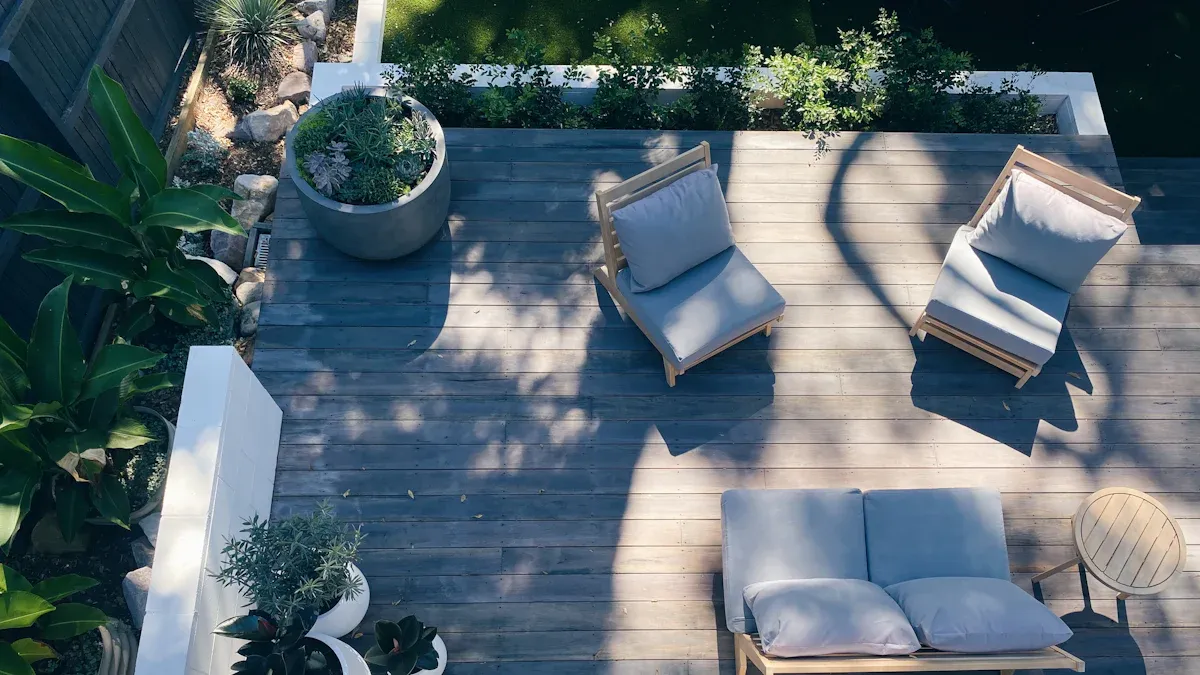
When picking materials for outside, you must think about sun, rain, and temperature changes. Cementitious terrazzodoes well in tough weather. You can use it on patios, walkways, and plazas. It does not fade or break in sunlight. This makes it a smart choice for outside projects. Epoxy terrazzo is better for inside spaces. Sunlight can make it fade or peel. Rain and snow can hurt epoxy terrazzo as time goes by. If you want a surface that lasts outside, cementitious terrazzo gives you strength and durability. Many designers and architects trust guiyi’s terrazzo for outside spaces because it keeps its look and quality in all kinds of weather.
Slip Resistance and Safety
Safety is important when designing outside areas. You want people to walk safely, even if the ground is wet. Cementitious terrazzo can have special finishes to help stop slips. This helps keep walkways, ramps, and balconies safe. You can check slip resistance ratings to pick the right finish for your project. The table below shows the minimum recommended ratings for different outside areas:
| Area | Minimum Recommended Rating |
|---|---|
| Footpaths & public walkways | P4–P5 / R11–R12 |
| Ramps (gradient <1:14) | P4 / R11 |
| Ramps (gradient >1:14) | P5 / R12 |
| Car parks & driveways | P4–P5 / R11–R12 |
| Balconies & verandahs | P3–P4 / R10–R11 |
You can ask guiyi for terrazzo with the right anti-slip rating for your project. This helps you make safe and comfortable outside spaces for everyone.
Tip: Always check slip resistance ratings before picking terrazzo for outside use. This keeps your project safe and follows the rules.
Longevity Outdoors
You want your outside surfaces to last for many years. Cementitious terrazzo is made for outside use. It handles rain, sun, and lots of people walking. You can expect it to last more than 40 years if you take care of it. Epoxy terrazzo lasts a long time inside, but it does not do well outside. Sunlight and weather can damage epoxy terrazzo, so it is not the best choice for outside projects.
- Cementitious terrazzo lasts over 40 years outside.
- Epoxy terrazzo is not good for outside because of sun and weather damage.
- Cementitious terrazzo is a top pick for outside spaces because it handles weather well.
When you use guiyi’s terrazzo, you get a surface that stays strong and beautiful for decades. This makes it a favorite for architects, designers, and construction teams who want reliable materials for outside environments.
Maintenance and Repairs
Taking care of outdoor terrazzo means you need to check it often. This helps keep it looking nice and working well for a long time. Cementitious terrazzo is strong, but it can chip or crack if the weather is bad or something hits it. You should look at the surface now and then to see if there is any damage. If you find small chips or cracks, you can fix them with special patching compounds made for terrazzo. Sealing is important as time goes by. It stops stains and water from getting in, which is extra important outside. Using a good sealant every few years helps protect the terrazzo from weather and keeps repairs small.
Epoxy terrazzo does not let stains or water in because it is non-porous. This makes it easier to clean and take care of outside, so you spend less money over time. But sunlight can make epoxy fade or peel after a while. If you want to use epoxy terrazzo outside, you should put on UV-resistant coatings or other protective finishes. This helps it last longer. Even though it is easy to care for, epoxy terrazzo might need repairs if it gets scratched or hit hard. Fixing these problems means grinding and polishing the spot that is hurt. This is not hard, but you might need a pro to help.
Experts say cement terrazzo is good for outside because it can handle steam cleaning, hard hits, and lots of people walking on it. But you have to do more work to keep it nice, like sealing and fixing it sometimes. Epoxy terrazzo is best for inside because it does not soak up much and fights stains. This makes it great for places where spills or chemicals happen a lot. It also costs less to take care of in the long run because you do not have to seal it as much.
If you pick guiyi, you get terrazzo that is made to last and is good for the planet. Their products, whether old-style or recycled, are built to handle outdoor weather with little work. Taking care of your terrazzo the right way keeps it pretty and useful for many years, no matter if you choose cementitious or epoxy types.
Pros and Cons Outdoors
Cementitious Terrazzo Outdoors
- Pros:
- Handles bad weather and lasts a long time
- Can take steam cleaning and hard hits
- Works well in covered outdoor spots and places with mild weather
- Cons:
- Heavy and thick, so floors must be strong
- Not as many color choices as epoxy
- Needs sealing often and repairs to stop chips and cracks
Epoxy Terrazzo Outdoors
- Pros:
- Looks smooth and fancy with bright colors
- Goes in fast, good for busy jobs
- Easy to clean and care for because it does not soak up water
- Cons:
- Not good for outside because sun makes it fade and peel
- Does not handle weather and hits as well outside
- Fixing it means grinding and polishing, which can cost more
Sustainability and Environmental Impact
Upcycled Materials in Terrazzo
You can help the planet by picking cementitious terrazzo with upcycled materials. Many floors use things like recycled glass, old stone, or marble. Some floors made with only recycled glass can have up to 75% recycled stuff by volume. This means less trash and less need for new materials. When you choose cementitious terrazzo with glass, seashells, stone, porcelain, or metal chips, you help the earth. gui yi has cementitious terrazzo with lots of recycled content. This helps designers and architects who want green building materials.
- Cementitious terrazzo often has:
- Recycled glass
- Old marble
- Seashells and stone
- Porcelain and metal chips
You get points for using recycled content in cementitious terrazzo. Floors with only recycled glass can reach 75% recycled material by volume. This helps you meet green building goals and make healthy, comfy spaces.
Certifications and Safety
You should check for certifications when you pick cementitious terrazzo. gui yi gives GSC certification reports for their cementitious terrazzo. These reports show the materials are safe and good for the planet. Anti-slip ratings are important for safety. Cementitious terrazzo can get ratings from R9 to R13. This makes it safe for walkways, ramps, and outdoor places. You keep people safe and follow the rules when you pick cementitious terrazzo with the right anti-slip ratings.
Tip: Always ask for certification and anti-slip ratings before you put in cementitious terrazzo. This keeps your project safe and helps with green design.
| Certification | What It Means | Why It Matters |
|---|---|---|
| GSC | Meets green and safety standards | Supports healthy environments |
| Anti-slip (R9–R13) | Safe for public and outdoor spaces | Reduces slip and fall risks |
Energy and Resource Efficiency
You help save energy and resources by choosing cementitious terrazzo. Epoxy terrazzo uses zero VOC materials and stops germs, which makes air inside better. It also lets you use good aggregates, even recycled ones. Epoxy terrazzo lasts a long time, so it is great for busy places. You use less energy to take care of it than other floors. Cementitious terrazzo also saves resources, especially when you use recycled pieces. gui yi’s cementitious terrazzo helps you use fewer resources and lower your impact on the planet. You make spaces that last and need less energy to keep nice.
Note: Green cementitious terrazzo helps make healthy, comfy places. You help the future by picking materials that protect the earth.
Cost and Value Comparison
Installation Costs
When you plan a terrazzo project, you need to look at the installation costs first. Cement terrazzo and epoxy terrazzo have different price ranges. The cost depends on the type you choose and the design you want. Simple designs cost less, while complex patterns can raise the price. Here is a table to help you compare the average costs for commercial projects:
| Type of Terrazzo | Average Cost per Square Foot |
|---|---|
| Epoxy Terrazzo | $25 to $90 |
| Cement Terrazzo | $15 to $40 |
| Complex Designs | Up to $100 |
Epoxy terrazzo costs more to install than cement terrazzo. You pay more for bright colors and custom patterns. Cement terrazzo gives you a classic look at a lower price. If you want a unique design, the price can go up for both types. gui yi offers many terrazzo options, so you can find the right fit for your budget and style.
Long-Term Maintenance
You should think about how much work your flooring will need over time. Cement terrazzo is strong, but you must seal it often to stop stains. This makes it a high-maintenance choice, especially in places with lots of moisture. You may spend more time and money keeping it looking good.
Epoxy terrazzo is easier to care for. It resists stains and does not need much sealing. You can clean it with regular tools and cleaners. This saves you money and effort in the long run. Many interior designers and architects pick epoxy terrazzo for busy spaces because it stays nice with less work.
- Cement terrazzo needs regular sealing to prevent stains.
- Epoxy terrazzo is easy to clean and resists stains.
- Cement terrazzo lasts a long time but needs more care.
guiyi’s terrazzo products help you create beautiful, low-maintenance spaces. You get flooring that fits your needs and saves you time.
Return on Investment
When you choose terrazzo, you want to know if it is worth the money. Both cement terrazzo and epoxy terrazzo last for decades. Cement terrazzo has a lower upfront cost, but you spend more on maintenance. Epoxy terrazzo costs more at first, but you save on cleaning and repairs. Over time, epoxy terrazzo can give you a better return on investment, especially in busy places.
You also add value to your project by choosing sustainable architectural materials. gui yi uses upcycled content and offers terrazzo with green certifications. This helps you meet building standards and attract clients who care about the environment. Designers, developers, and construction teams trust terrazzo for its long life and style. When you invest in quality flooring, you create spaces that look great and last for years.
Tip: Pick terrazzo that matches your budget, design goals, and maintenance needs. You will see the value in your project for many years.
Terrazzo Selection Guide
Indoor Project Checklist
When you plan a space inside, you want the best floor. Use this checklist to help you pick cement terrazzo or epoxy terrazzo:
- Think about how many people will walk on the floor.
- Decide what style you like. Epoxy terrazzo has more colors and patterns.
- Check if you need a light floor. Epoxy terrazzo is good for tall buildings.
- Ask if you want a floor that is easy to clean. Epoxy terrazzo does not stain and needs less work.
- Look for green building labels. gui yi has terrazzo with recycled pieces and GSC certification.
- Talk to designers or architects about your ideas.
Tip: If you want fun designs and easy cleaning, epoxy terrazzo is a smart choice for floors inside.
Outdoor Project Checklist
Outside spaces need floors that are strong and safe. Use this checklist to help you choose terrazzo:
- Check the weather where you live. Cementitious terrazzo can handle sun, rain, and hot or cold days.
- Make sure your floor has the right anti-slip rating. gui yi can give terrazzo with R9–R13 ratings.
- Think about how much weight your building can hold. Cement terrazzo is heavier than epoxy terrazzo.
- Plan to seal and care for your terrazzo often so it stays nice.
- Pick terrazzo with recycled materials to help the planet.
- Ask your builder or designer for tips on putting terrazzo outside.
Note: Cementitious terrazzo is best for outside because it lasts long and stands up to bad weather.
Key Factors to Consider
You want to make the best choice for your project. Here are some important things to think about:
| Factor | Why It Matters |
|---|---|
| Location | Inside or outside use changes which terrazzo is best. |
| Climate | Outside terrazzo must handle sun, rain, and cold. |
| Design Goals | Epoxy terrazzo gives you more colors and patterns. |
| Budget | Cement terrazzo costs less to put in. |
| Maintenance | Epoxy terrazzo is easier to care for inside. |
| Sustainability | gui yi terrazzo uses recycled pieces and is certified. |
Some people make mistakes by picking the wrong terrazzo for their space or forgetting about slip safety. Always match your floor to what your project needs. Talk to experts like architects, designers, or material sellers for help. gui yi has many building materials, from classic terrazzo to UHPC cement slabs, so you can find what you need for any job.
Trends and Innovations for 2026
Material Advances
Terrazzo materials will change a lot by 2026. Companies want terrazzo to be cheaper, stronger, and better for the planet. One new product is Terrazzo Flow. It is an epoxy coating that looks like classic terrazzo but costs less. You can use Terrazzo Flow in homes and stores. It makes a smooth and tough surface that lasts a long time. Terrazzo Flow helps with green building. Designers and architects pick it for projects that need style and care for the earth.
- Terrazzo Flow copies classic terrazzo but costs less.
- It gives a strong and smooth finish for busy places.
- This material is part of the eco-friendly flooring trend.
guiyi keeps making new terrazzo products. You can choose classic terrazzo, recycled terrazzo, or UHPC cement slabs. These options help you meet modern design needs.
Sustainability Trends
Sustainability is important for building materials now. More terrazzo uses recycled glass, stone, and other leftovers from factories. gui yi uses these recycled pieces to cut waste and save resources. You help the planet when you pick terrazzo with lots of recycled content. Many terrazzo floors now have green certifications like GSC. These show your project supports healthy and comfy spaces.
Some terrazzo has anti-slip ratings from R9 to R13. This makes floors safer for everyone. More designers and developers want materials that protect people and the planet. gui yi’s terrazzo helps you reach your green goals and keeps your spaces nice.
Tip: Pick terrazzo with recycled pieces and certifications to support green building rules.
Design Innovations
Designers have more choices with terrazzo now. You can pick many colors, patterns, and aggregates. New technology lets you make custom mosaics, bold designs, and even 3D effects. gui yi has terrazzo for both classic and modern looks. You can use terrazzo in lobbies, kitchens, bathrooms, and outdoor plazas.
Terrazzo can also be mixed with UHPC blocks and cement slabs. This mix gives your project a special look and feel. Architects and builders use these new ideas to make spaces stand out. Terrazzo gives beauty and works well in every project.
Note: The future of terrazzo mixes art, safety, and green ideas for every space.
You can put cement terrazzo outside on plazas and walkways. Epoxy terrazzo is good for inside spaces. It lets you have bright colors and makes cleaning simple. Cementitious terrazzo is strong and lasts long outdoors. gui yi has green building materials with recycled parts and GSC certification.
Always look at the selection guide and ask designers or architects for help before you begin your project. Pick terrazzo that matches what you need and helps make your space healthy and comfortable.
FAQ
What is terrazzo?
Terrazzo is a material for floors and surfaces. It mixes marble, glass, or stone chips with a binder. You can use terrazzo for floors, walls, and stairs. gui yi has terrazzo for many styles and projects.
Can you use epoxy terrazzo outside?
Epoxy terrazzo is best for indoor spaces. Sun and weather can hurt it. Cementitious terrazzo from gui yi works well outside. It handles rain, sunlight, and changes in temperature.
How do you clean terrazzo floors?
Clean terrazzo with a soft mop and mild soap. Do not use strong chemicals. gui yi terrazzo is easy to keep clean. Regular cleaning keeps your materials looking bright and new.
Is terrazzo a sustainable choice?
Yes! gui yi terrazzo uses recycled glass and stone. Picking terrazzo with green certifications helps the planet. Designers and developers like terrazzo for eco-friendly projects.
What makes gui yi terrazzo different?
gui yi terrazzo uses recycled content and creative designs. It is strong and lasts a long time. You can pick traditional terrazzo, mosaics, UHPC cement slabs, and more. gui yi helps architects and designers with certified, green materials.
How long does terrazzo last?
Terrazzo can last for many years. gui yi terrazzo stays strong and pretty for over 40 years if you care for it. This makes it a smart choice for builders and property owners.
Can terrazzo be customized for my project?
Yes! gui yi has many colors, patterns, and aggregates. You can work with designers to make custom terrazzo. This helps you get unique results for your project.
Is terrazzo safe for public spaces?
Yes. gui yi terrazzo can have anti-slip ratings from R9 to R13. You can use it in walkways, ramps, and plazas. This keeps your spaces safe for everyone.