
5 Innovative Building Materials Every Modern Architect Should Know in 2026
The architecture and construction industry is entering a new era defined by sustainability, performance, and design flexibility. In 2026, modern architects are no longer choosing materials based solely on cost or availability—they are selecting advanced building materials that enhance aesthetics, reduce carbon footprint, and improve long-term value.
For developers, contractors, and designers working on commercial interiors, luxury residential projects, or large-scale urban developments, understanding these innovative materials is critical for staying competitive in search rankings and in the market.
1. Ultra High Performance Concrete (UHPC): Strength Meets Design Freedom
Ultra High Performance Concrete (UHPC) is rapidly becoming a preferred material for architects seeking durability combined with high-end aesthetics.
UHPC offers compressive strength far beyond traditional concrete while maintaining a sleek, modern finish. Its dense microstructure allows for thinner panels, lighter weight components, and complex geometries that were previously impossible.
In interior design and architectural decoration, UHPC is widely used for:
- Interior wall cladding panels
- Custom furniture elements
- Decorative facades
- Bathroom and kitchen surfaces
Its low permeability also makes it ideal for long-term performance in both interior and exterior environments.
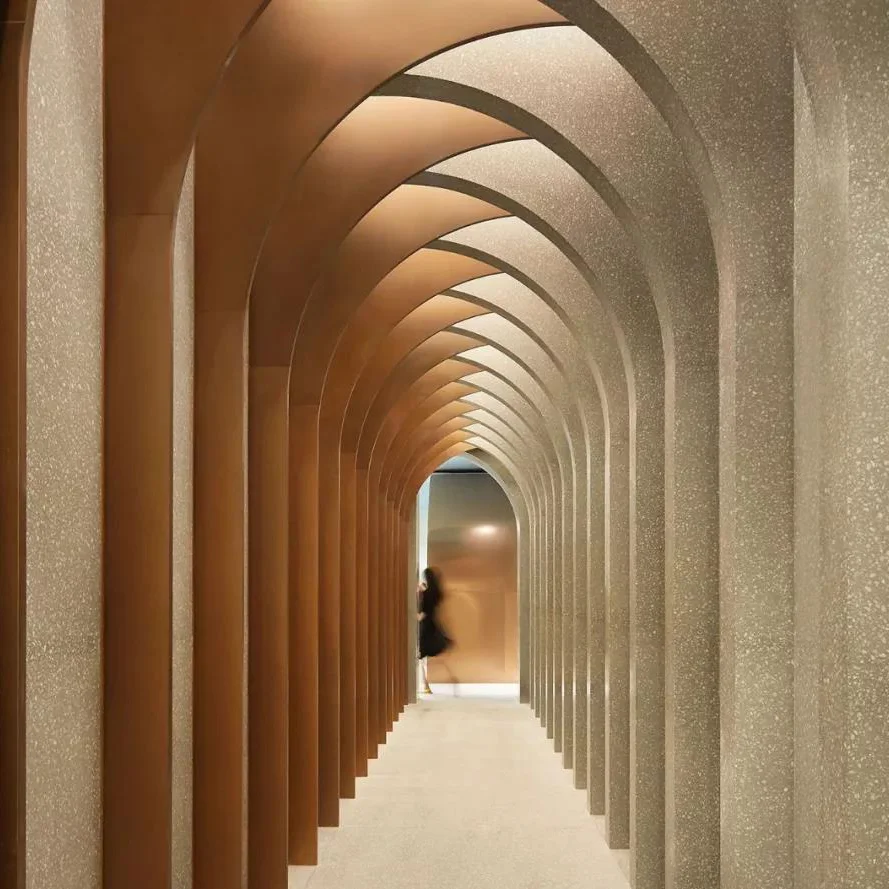
2. Precast Terrazzo: Sustainable Luxury for Interior Spaces
Terrazzo has evolved from a traditional flooring material into a versatile, sustainable design solution. Precast terrazzo panels are now widely used in modern interiors, combining recycled aggregates with cement or resin matrices.
This material stands out for:
- Exceptional durability and lifespan
- Customizable colors and patterns
- Eco-friendly composition using recycled materials
- Low maintenance requirements
In commercial interiors such as retail stores, hotels, and office buildings, terrazzo enhances brand identity through customized aggregate blends and finishes.
More importantly, terrazzo integrates seamlessly with UHPC. Designers increasingly combine terrazzo surfaces with UHPC structural elements to achieve both visual sophistication and structural performance.
3. Transparent Wood: A New Era of Natural Lighting
Transparent wood is an emerging material that replaces lignin in wood with polymer, creating a semi-transparent structural material.
It offers:
- High light transmission while maintaining strength
- Better insulation compared to glass
- Reduced glare and improved energy efficiency
This material is particularly attractive for eco-conscious architectural projects where natural lighting and energy efficiency are key priorities.
In interior design, transparent wood is used for:
- Partition walls
- Decorative panels
- Sustainable window alternatives
As green building standards become stricter, materials like transparent wood are gaining traction in search queries related to “eco-friendly building materials” and “energy efficient architecture.”
4. Carbon-Negative Concrete: Building While Reducing Emissions
One of the biggest shifts in 2026 is the rise of carbon-negative construction materials. These advanced concretes absorb more CO₂ during their lifecycle than they emit during production.
For architects and developers aiming to meet ESG and LEED certification goals, this material is becoming essential.
Applications include:
- Structural elements
- Interior architectural features
- Decorative concrete finishes
When combined with UHPC and terrazzo, carbon-negative concrete contributes to a fully sustainable material ecosystem.
5. Smart Materials: Adaptive and Responsive Design
Smart materials are engineered to respond to environmental changes such as temperature, light, or pressure.
Examples include:
- Self-healing concrete
- Thermochromic glass
- Phase-change materials for temperature regulation
In modern interior design, these materials are used to enhance user experience and energy efficiency. For example, smart surfaces can adjust heat absorption, improving indoor comfort while reducing HVAC costs.
Architects incorporating smart materials into their projects are tapping into a growing demand for “intelligent buildings” and “future-ready construction materials.”
How UHPC and Terrazzo Are Redefining Interior Design Trends
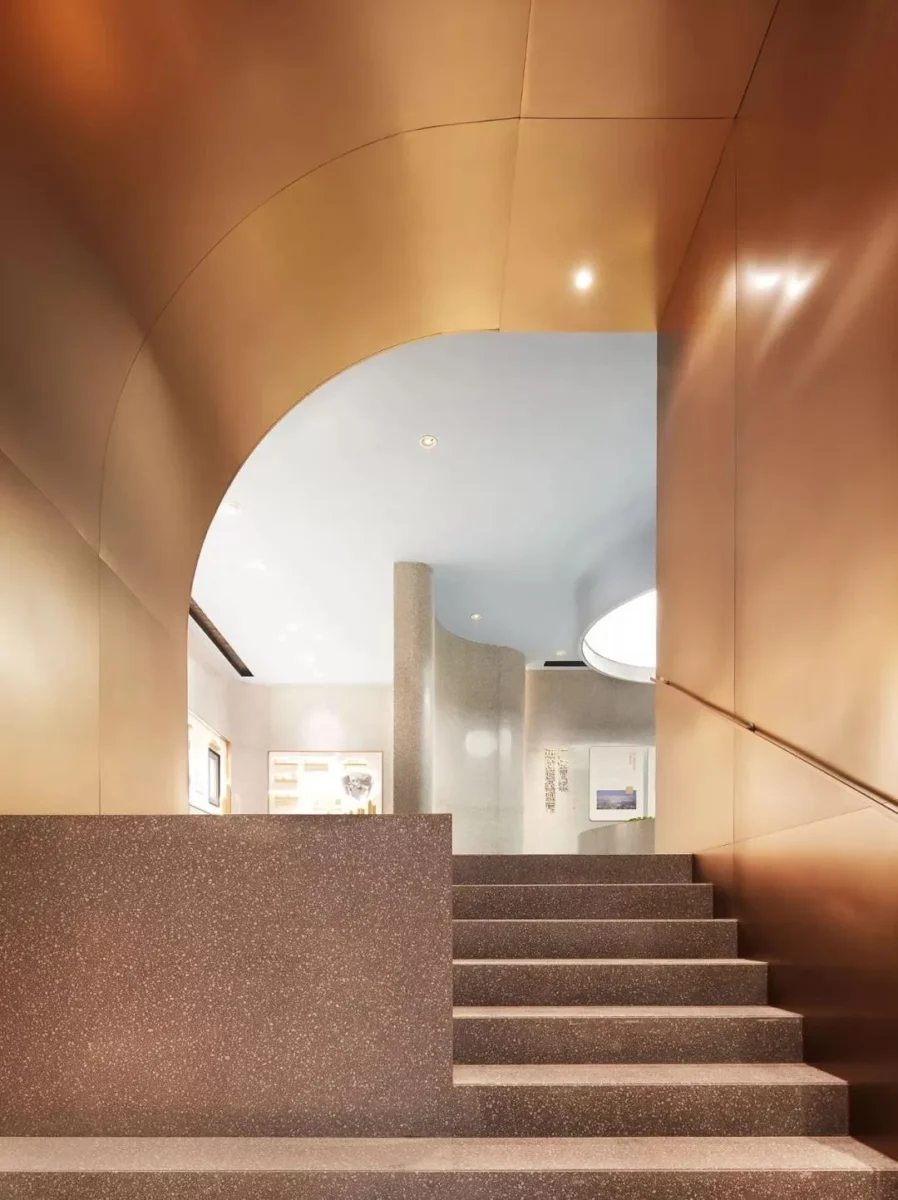
The combination of UHPC and terrazzo is becoming a defining trend in 2026 architectural and interior design projects.
This pairing delivers:
- Structural strength (UHPC)
- Decorative flexibility (terrazzo)
- Long lifecycle performance
- Premium visual appeal
For example, a retail showroom might use UHPC panels for walls and structural features, while terrazzo flooring and countertops create a cohesive, branded interior environment.
This synergy not only improves design outcomes but also increases keyword coverage for search engines, capturing traffic from both structural and decorative material queries.
FAQ: Innovative Building Materials in 2026
What is the most sustainable building material in 2026?
Carbon-negative concrete and recycled terrazzo are among the most sustainable options, offering reduced environmental impact and long lifecycle performance.
Why is UHPC becoming popular in modern architecture?
UHPC provides unmatched strength, durability, and design flexibility, making it ideal for both structural and decorative applications.
Is terrazzo suitable for commercial interior design projects?
Yes, terrazzo is highly durable, customizable, and low-maintenance, making it perfect for high-traffic commercial environments.
Can UHPC and terrazzo be used together in one project?
Absolutely. UHPC is often used for structure and panels, while terrazzo is used for surfaces and finishes, creating a cohesive and premium design.
Conclusion
In 2026, innovative building materials are not just shaping architecture—they are redefining how projects are designed, marketed, and discovered online.
From UHPC’s structural capabilities to terrazzo’s design versatility, and from carbon-negative concrete to smart materials, these solutions offer architects a powerful toolkit for creating high-performance, sustainable, and visually striking spaces.
For companies aiming to increase inquiries and dominate search rankings, integrating these materials into both projects and content strategy is no longer optional—it’s essential.