
How Commercial Real Estate Projects Increase Overall Value by Adopting Green Innovative Materials
The commercial real estate (CRE) market is undergoing a structural transformation. Developers, investors, and asset managers are no longer evaluating properties solely on location and rental yield. Today, sustainability performance, carbon footprint, and material innovation play a decisive role in determining long-term asset value.
Green innovative materials are no longer a “nice-to-have.” They are a strategic lever for increasing NOI, enhancing tenant retention, improving financing conditions, and future-proofing assets against regulatory risks. This article explores how adopting advanced sustainable materials can directly and indirectly boost the overall value of commercial real estate projects.
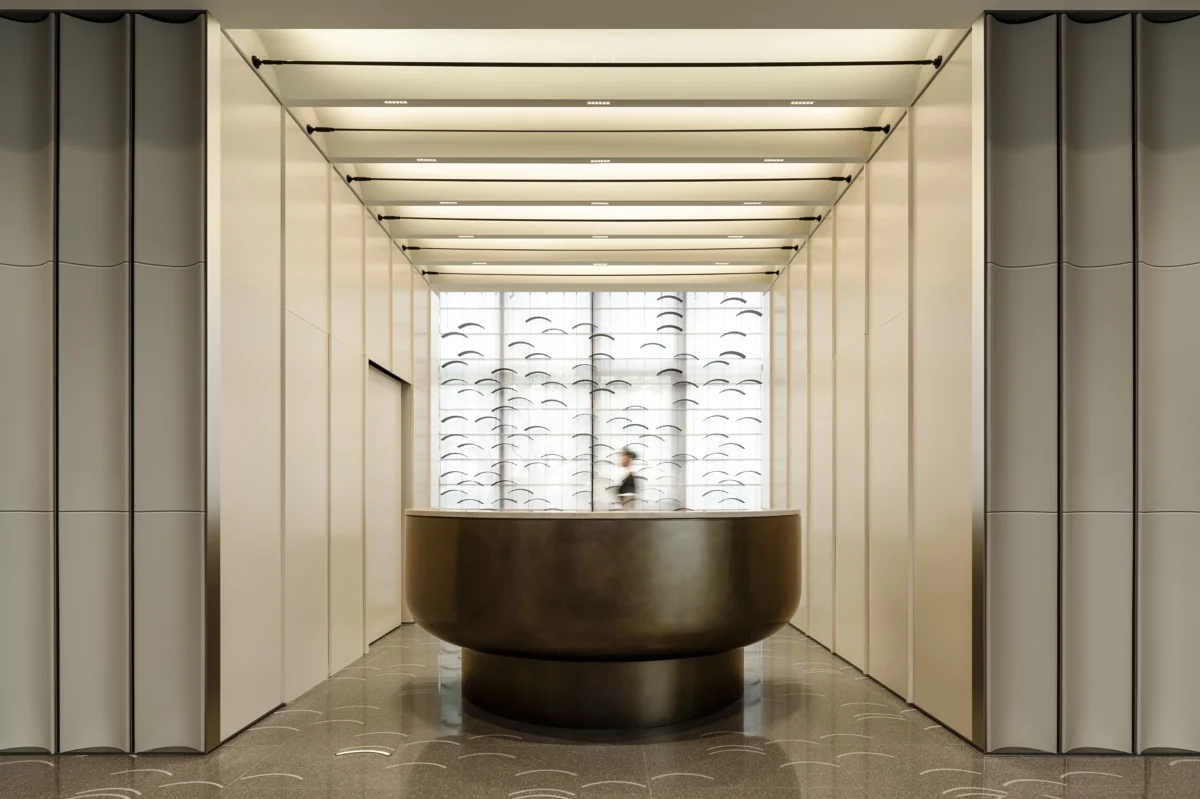
Why Green Materials Are Reshaping Commercial Real Estate Value
The shift toward sustainability in CRE is driven by three major forces: regulation, capital markets, and tenant demand.
Governments worldwide are tightening carbon regulations and building codes. At the same time, institutional investors are prioritizing ESG-aligned assets, and tenants increasingly prefer environmentally responsible buildings.
This convergence means that buildings using green innovative materials often benefit from:
- Higher occupancy rates
- Premium rental pricing
- Lower lifecycle costs
- Stronger resale value
- Easier access to green financing
In short, material selection is now directly linked to asset performance.
What Are Green Innovative Materials in CRE?
Green innovative materials refer to construction materials that reduce environmental impact while improving durability, efficiency, and aesthetics. These materials are engineered to outperform traditional options across lifecycle metrics.
Common examples include:
- Ultra-High Performance Concrete (UHPC)
- Precast terrazzo panels
- Recycled aggregate composites
- Low-carbon cement alternatives
- High-performance insulation systems
- Smart glass and energy-efficient façades
These materials are designed not only for sustainability but also for long-term economic returns.
Lifecycle Cost Reduction: The Hidden Profit Driver
One of the most overlooked aspects of CRE value is lifecycle cost.
Traditional materials may have lower upfront costs, but they often require frequent maintenance, repairs, or replacement. Green innovative materials, by contrast, are engineered for durability and longevity.
For example:
- Precast terrazzo can last 50+ years with minimal maintenance
- UHPC offers superior crack resistance and structural integrity
- Recycled composites reduce degradation under heavy usage
Lower maintenance costs translate directly into higher net operating income (NOI), which increases property valuation.
Rental Premiums and Tenant Attraction
Modern tenants—especially multinational corporations—are aligning their operations with ESG goals. Office tenants, retail brands, and hospitality operators prefer spaces that reflect sustainability commitments.
Buildings constructed with green materials can:
- Command higher rental rates
- Attract premium tenants
- Reduce vacancy periods
Features such as eco-friendly flooring, low-emission materials, and energy-efficient façades create healthier indoor environments, which improve tenant satisfaction and retention.
ESG Compliance and Investment Appeal
Environmental, Social, and Governance (ESG) criteria are now central to real estate investment decisions.
Assets that integrate green materials are more likely to achieve certifications such as:
- LEED (Leadership in Energy and Environmental Design)
- BREEAM
- WELL Building Standard
These certifications increase the attractiveness of properties to institutional investors and real estate funds.
Additionally, ESG-compliant buildings often benefit from:
- Lower financing costs
- Access to green bonds
- Preferential lending terms
This directly enhances asset liquidity and valuation.
Enhancing Brand Image and Market Positioning
For commercial projects such as shopping malls, office towers, and mixed-use developments, brand perception matters.
Using innovative green materials allows developers to position their projects as:
- Forward-thinking
- Environmentally responsible
- Architecturally distinctive
Materials like terrazzo with recycled aggregates or custom-designed façade panels can create iconic visual identities while reinforcing sustainability narratives.
This differentiation is crucial in competitive urban markets.
Regulatory Advantages and Risk Mitigation
As cities implement stricter building codes and carbon reduction targets, properties that fail to comply may face penalties, retrofitting costs, or even obsolescence.
Green materials help mitigate these risks by:
- Reducing embodied carbon
- Improving energy efficiency
- Meeting future regulatory standards
Early adoption ensures that buildings remain compliant and competitive over the long term.
Case Applications: Where Green Materials Deliver the Most Value
Different commercial sectors benefit from green materials in unique ways:
Office Buildings
Sustainable materials improve indoor air quality and employee well-being, increasing tenant retention and productivity.
Retail Spaces
Durable and aesthetic materials like terrazzo enhance customer experience while reducing maintenance disruptions.
Hospitality Projects
Eco-friendly materials align with the growing demand for sustainable travel and premium guest experiences.
Transportation Hubs
High-traffic durability and low maintenance are critical, making materials like UHPC and terrazzo ideal choices.
How Developers Can Strategically Adopt Green Materials
To maximize ROI, developers should approach material adoption strategically rather than as an afterthought.
Key steps include:
- Integrating sustainability goals in early design phases
- Collaborating with material suppliers and engineers
- Conducting lifecycle cost analysis instead of focusing only on upfront costs
- Aligning material choices with target certifications (LEED, etc.)
- Highlighting sustainability features in marketing and leasing strategies
This integrated approach ensures both financial and environmental performance.
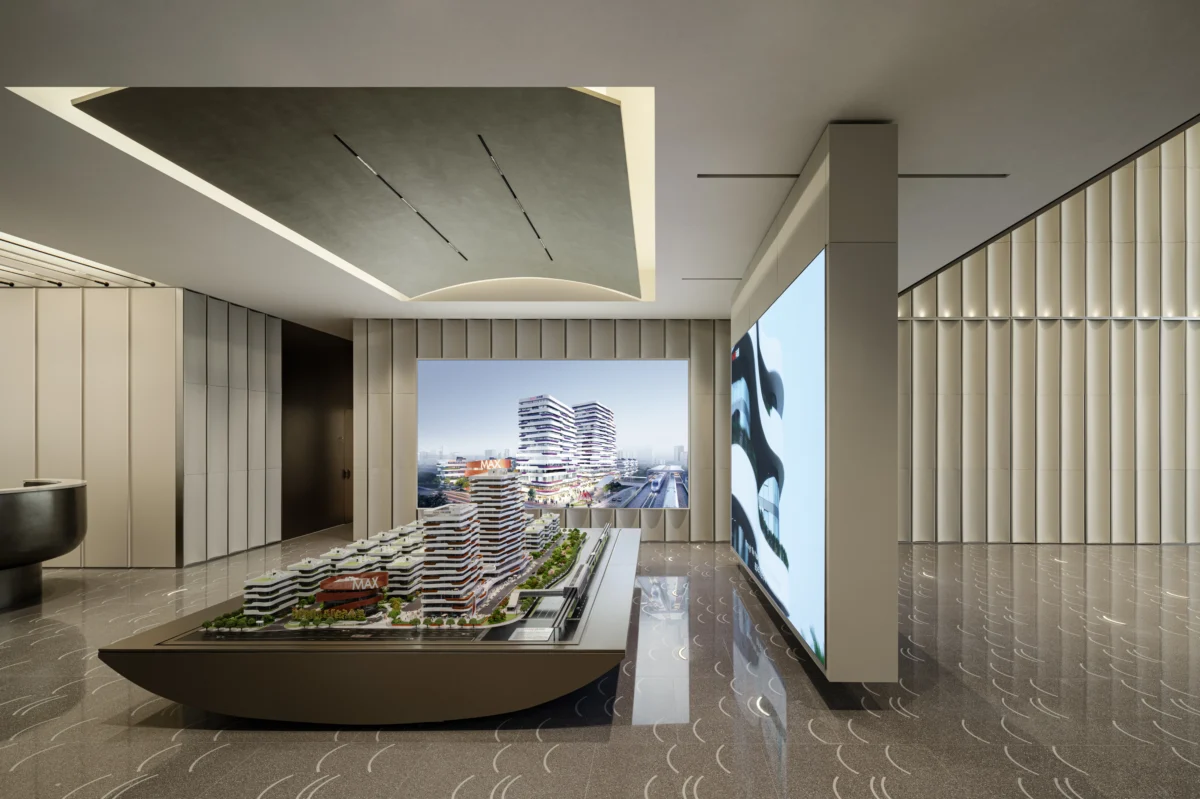
Future Outlook: Green Materials as a Standard, Not a Trend
The adoption of green innovative materials is accelerating globally. What is currently a competitive advantage will soon become an industry baseline.
Developers who act early will benefit from:
- First-mover advantages
- Stronger brand positioning
- Higher long-term asset resilience
In contrast, late adopters may face higher costs and reduced competitiveness.
Conclusion
Green innovative materials are redefining how value is created in commercial real estate. From reducing lifecycle costs to attracting premium tenants and unlocking ESG-driven investment, these materials provide a multi-dimensional return on investment.
For developers and investors aiming to maximize asset value, sustainability is no longer optional—it is a core strategy.
Adopting advanced materials today is not just about environmental responsibility; it is about building more profitable, resilient, and future-ready commercial real estate assets.
FAQ
1. Do green materials significantly increase construction costs?
While some green materials have higher upfront costs, they reduce long-term expenses through durability, energy efficiency, and lower maintenance, resulting in better overall ROI.
2. Which green material offers the best ROI in commercial projects?
It depends on the project type, but precast terrazzo and UHPC are widely recognized for their durability, low maintenance, and strong lifecycle performance.
3. How do green materials affect property valuation?
They increase NOI, improve tenant demand, and enhance ESG compliance, all of which contribute to higher property valuations.
4. Are green-certified buildings easier to lease?
Yes, many corporate tenants prioritize ESG-compliant spaces, making certified buildings more attractive and easier to lease.
5. Can existing buildings benefit from green materials?
Yes, retrofitting with sustainable materials can improve performance, reduce costs, and increase asset value.