
Specifying terrazzo in 2026 is no longer a single-look decision. Fine-grain, medium, and large-aggregate surfaces now share the market, and texture—more than color alone—drives the final choice. A polished fine-grain floor reads calm and uniform. A bold large-aggregate surface commands attention. Each option changes maintenance needs, slip performance, and budget.
How do architects choose the right terrazzo texture for a given project? This guide offers a practical, criteria-based path. It covers performance, application fit, compliance, and cost, and it shows where each texture family fits best. Designers can apply the same checklist to every specification. G·ONE‘s project experience informs this guidance, with no sales pitch attached.
Key Takeaways
- Use four criteria to choose terrazzo texture: performance, application fit, compliance, and cost.
- Match texture to traffic and setting: fine-grain for quiet areas, large-aggregate for bold statements.
- Request physical samples to test aggregate mix, color, and finish under real lighting.
- Confirm compliance and environmental documents early to meet green building goals.
- Plan cost last: aggregate size, finish, and customization drive the budget.
Terrazzo Texture Primer
How Texture Is Formed
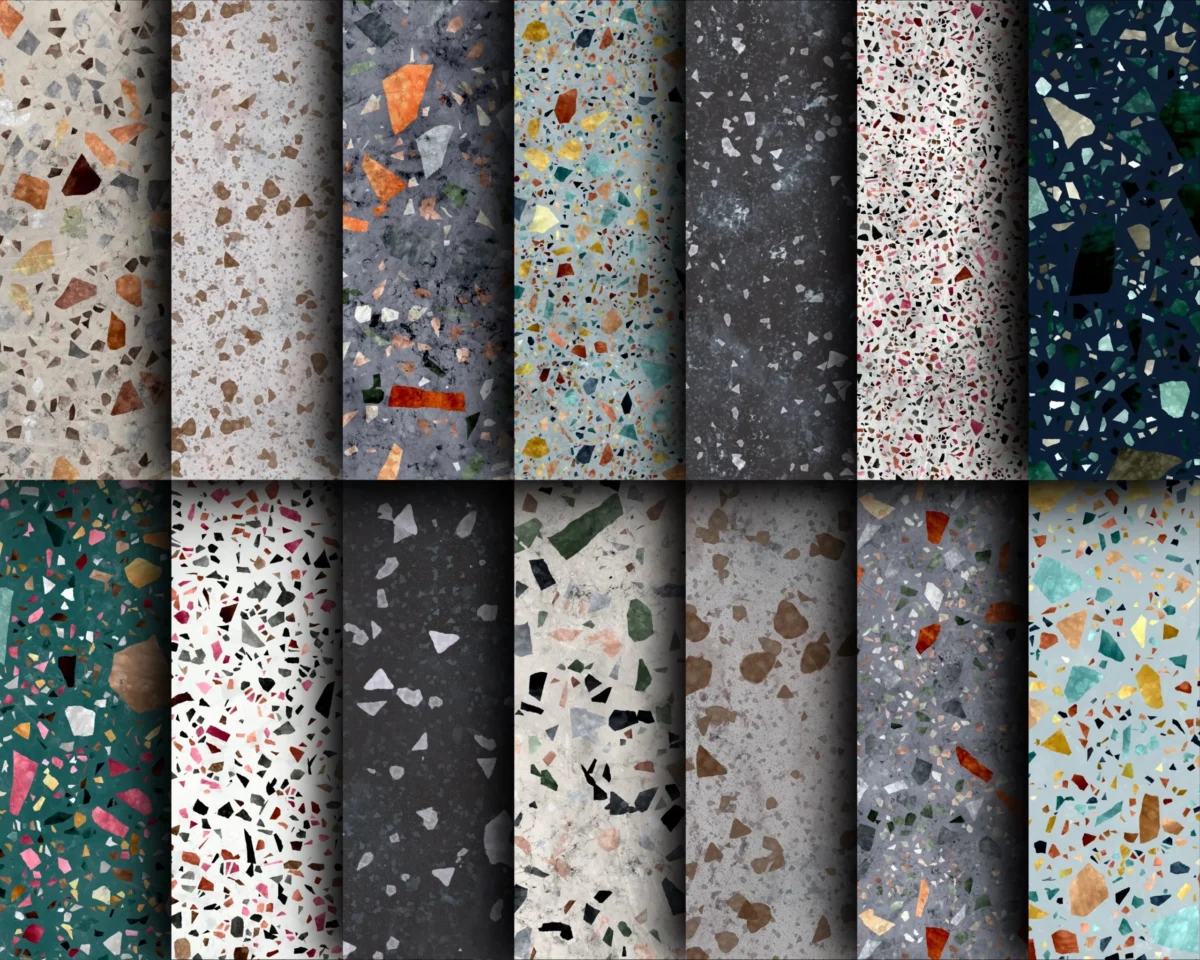
A cement or resin matrix binds aggregate chips, pigments, and fillers into one solid mass. The matrix holds the mix together, and the aggregate supplies visual character. Four levers shape terrazzo texture: aggregate size, aggregate grading, color contrast, and the final finish. Grading blends particle sizes, and a tight gradation packs the mix into a dense field. Color contrast sets the mood; a pale matrix with dark chips reads crisp, while tonal blends read soft. Polished surfaces reflect light and sharpen chip edges. A honed or matte terrazzo finish softens contrast and hides scuffs.
Binder choice shapes performance. Epoxy terrazzo cures thin and accepts saturated pigments. Cement-based traditional terrazzo suits heavy wear and exterior work. Poured-in-place terrazzo flooring delivers a seamless field, and precast panels arrive factory-finished. G·ONE produces regular, recycled, and mosaic terrazzo with customizable aggregate blends and finishes, so designers can tune each lever to the project.
Texture Types and Traits
Four families dominate specification. Fine-grain terrazzo uses small chips for a quiet, uniform field. Medium blends balance visual interest with calm. Large-aggregate terrazzo makes a bold statement with prominent stones. Mosaic terrazzo arranges chips into patterns, logos, or artwork. Each terrazzo texture family suits different types of terrazzo floors, and each changes the maintenance profile. A fine texture eases cleaning in busy corridors, while a bold mix rewards a feature floor in a lobby.
Technical traits matter as much as looks. Wear resistance describes how well terrazzo surfaces resist abrasion under traffic. Slip resistance measures grip, especially when wet. Porosity indicates how readily a material absorbs moisture, and a dense matrix resists staining. Structural requirements cover substrate strength and movement joints. Continuous terrazzo and precast panels both demand a sound base with limited deflection. Precast panels speed installation on tight flooring schedules, and the right flooring choice starts with traffic. These traits guide every terrazzo flooring decision and protect long-term durability.
Terrazzo Flooring Selection Framework
A repeatable checklist keeps every specification consistent. Four criteria carry the decision: performance, application suitability, regulatory compliance, and cost. Architects who work through them in order avoid costly revisions later. The framework applies to any terrazzo texture, from a quiet fine-grain field to a dramatic large-aggregate surface.
Performance Metrics
Performance comes first, because a beautiful floor that fails under traffic serves no one. Three metrics anchor the review. Wear resistance describes how well the surface resists abrasion, and it matters most in busy circulation zones. Slip resistance measures grip under wet conditions, and it deserves close attention in lobbies, entries, and washroom approaches. Structural requirements cover substrate strength, deflection limits, and movement joints. A sound base protects every terrazzo flooring installation, and precast panels demand the same discipline as poured-in-place work.
Physical full-composite samples let architects evaluate the aggregate mix, resin color, texture, and durability before finalizing a specification. A photograph cannot show how a chip blend reads at full scale. A sample in hand can. Designers should request samples early, compare them under the project’s actual lighting, and confirm the surface finish before signing off. This step protects the durability of the finished floor and reduces surprises on site.
Application Fit, Compliance, and Cost
Application fit matches texture to traffic level and setting. Hotel lobbies and luxury retail boutiques reward a medium or large-aggregate surface that holds visual interest under heavy use. Exterior facades and public landmarks often call for robust panels with strong weather resistance. Quiet residential and hospitality interiors favor fine-grain textures that hide scuffs and ease maintenance. G·ONE takes a collaborative approach here, helping architects and designers select materials based on design intent and technical requirements. That partnership keeps the specification grounded in how the space will actually perform.
Compliance covers applicable industry standards and environmental documentation. Project teams should confirm that the selected terrazzo meets the relevant standard for the application and request environmental product declarations, or EPDs, where available. Specifying a terrazzo floor with documented environmental data supports green building goals and satisfies many client requirements. Terrazzo flooring manufacturers who supply this paperwork early simplify the review.
Cost closes the checklist. Aggregate size, finish, and customization drive budget. Large aggregates and specialty blends cost more than standard fine-grain mixes. Polished finishes add processing time compared with honed or matte surfaces. Custom colors, molds, and dimensions raise the price further. Architects should weigh these factors against the benefits of choosing terrazzo: long service life, low maintenance, and design flexibility. A clear cost picture at the specification stage protects the budget through construction.
Working through performance, application fit, compliance, and cost in sequence gives every project a defensible material choice. The checklist turns a subjective preference for one terrazzo texture into a documented decision that clients, contractors, and reviewers can all follow.
Comparing Terrazzo Texture Options
Fine, Medium, and Large Aggregate
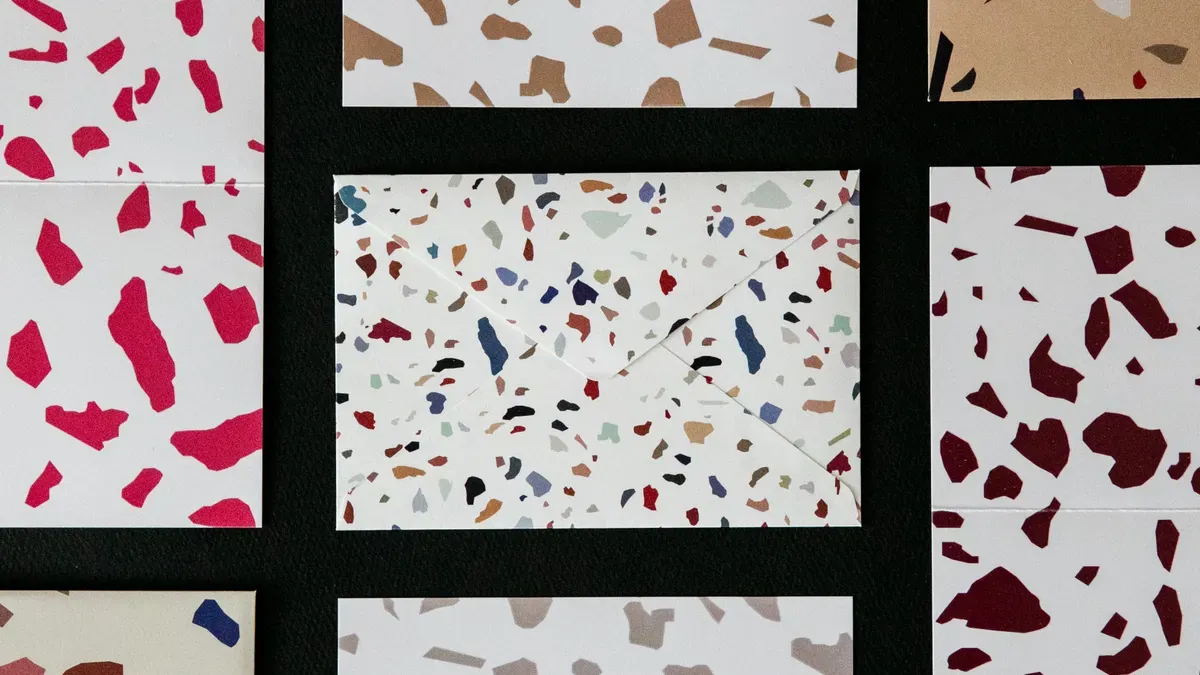
Each texture family offers distinct strengths, and the right choice depends on the project’s goals. Fine-grain terrazzo delivers a subtle, uniform field. Small chips create a calm surface that hides scuffs well and simplifies routine care. This texture suits quiet interiors where the floor supports the design rather than dominates it. Medium blends balance visual interest with restraint. Mid-sized aggregates add movement and depth without overwhelming a space. Designers often specify medium textures for busy public areas that need both character and practicality. Large-aggregate terrazzo makes a bold, expressive statement. Prominent stones draw the eye and create a memorable surface with strong visual identity. This option rewards feature floors in lobbies, retail flagships, and landmark interiors. No single texture outperforms the others across every metric; each fits a different design intent and traffic profile.
Mosaic terrazzo stands apart for high visual impact and custom design features. Chips arrange into logos, artwork, or wayfinding graphics, turning the floor into a branded element. This approach suits entrances, hospitality spaces, and retail environments where the floor carries a message. A well-executed mosaic adds a distinctive layer that plain fields cannot match.
Best-Fit Applications with G·ONE
G·ONE supplies regular, recycled, and mosaic terrazzo alongside UHPC panels and blocks for high-strength architectural features. The range covers diverse project needs, from sustainable interiors to structural facades. Customization extends across colors, aggregate selections, dimensions, thicknesses, surface finishes, and custom molds. Project teams can tune the material to match a precise design vision and technical brief. This flexibility helps terrazzo flooring manufacturers meet exact specifications without compromise.
Application fit guides the final selection. Hotel lobbies and luxury retail boutiques often pair medium or large-aggregate textures with durable resin matrices. Exterior facades and public landmarks call for UHPC panels that resist weather and heavy use. Residential and hospitality interiors favor fine-grain textures for subtlety and easy maintenance. A custom combination of colors and patterns can unify a scheme across multiple zones. The best terrazzo flooring choice matches texture to traffic, setting, and design intent. G·ONE’s collaborative team supports this process with samples, technical data, and engineering guidance. Architects who align texture with application protect both durability and long-term performance.
Terrazzo Floor Case Examples
High-Traffic Commercial Spaces
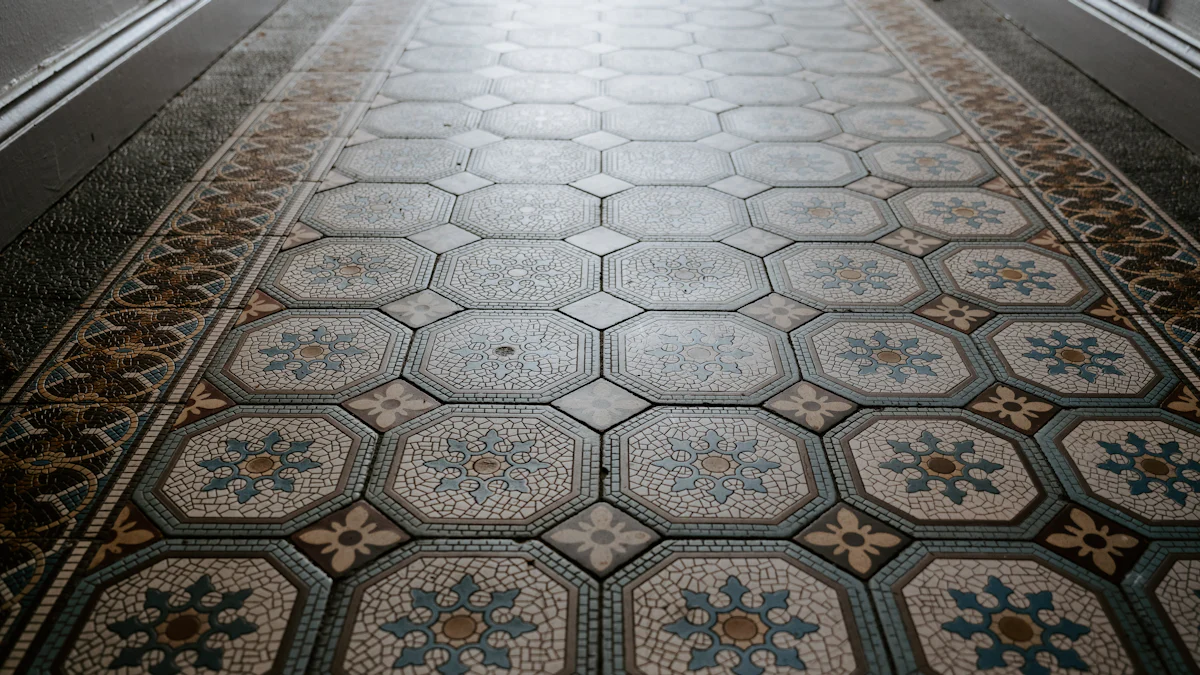
A hotel lobby in a busy city center shows how texture serves performance. The project team chose a medium-aggregate terrazzo for the main floor, where foot traffic runs high all day. Mid-sized chips add visual depth and hide scuffs between cleanings. The dense resin matrix supports durability under constant use. Careful surface preparation before terrazzo flooring installation keeps the field level and seamless. Guests read the surface as calm, and the operator gains a finish that holds up for years.
A luxury retail boutique took a bolder path. Designers specified a large-aggregate terrazzo to anchor the entrance zone. Prominent stones create a memorable first impression and reinforce the brand identity. The same mix runs through the main sales area, so the terrazzo flooring reads as one continuous field. This choice pairs visual impact with wear resistance in a setting where appearance drives revenue.
Residential and Hospitality Settings
Residential and hospitality settings call for a quieter approach. A boutique hotel suite used a fine-grain terrazzo floor to keep the palette soft and uniform. Small chips hide minor marks, and routine maintenance stays simple. Housekeeping crews clean the surface quickly without special products. The subtle field lets furniture and textiles lead the design.
Layout guidance protects both looks and performance. Squares of 4’x4′ or less on centers are ideal for terrazzo floors. Rectangles should not exceed 25 square feet, with an aspect ratio maximum of 1.5:1. These limits manage movement and keep joints orderly. Sound terrazzo design, installation and restoration practice starts with a clear layout plan.
G·ONE supports each stage with samples, quotations, and expert engineering support. Project teams can review a physical full-composite sample before finalizing the material. The team also advises on substrate readiness and joint placement. This partnership keeps flooring decisions grounded in real project conditions.
Texture choice ultimately ties back to how people use a space. A bold terrazzo suits a landmark entrance, and a quiet terrazzo serves a restful suite. Each project rewards a team that matches texture to traffic and setting. The finished floor then performs as designed, and the terrazzo surface earns its place in the scheme. Early planning keeps the flooring budget predictable too.
The path runs in four steps: a texture primer, a selection framework, a side-by-side comparison, and real-world case validation. Designers can reuse the four criteria—performance, application fit, compliance, and cost—on every future project.
Match texture to traffic and setting first. Confirm compliance and environmental documentation next. Optimize cost last, once the material choice is sound.
Specifying terrazzo texture will keep shaping 2026 projects, and bold aggregate blends will gain ground in commercial work. G·ONE offers samples and technical support to help teams test a blend before they commit. A disciplined checklist protects durability and maintenance budgets on every floor, and it keeps each terrazzo flooring decision defensible.
FAQ
Which terrazzo texture suits a high-traffic lobby?
A medium or large-aggregate texture works best. Mid-sized and prominent chips add visual depth and hide scuffs between cleanings. A dense resin matrix supports durability under constant use. Designers should confirm wear resistance and slip resistance against the expected traffic before finalizing the specification.
How does texture affect maintenance?
Fine-grain surfaces clean quickly and hide minor marks, so housekeeping crews need no special products. Bold aggregate blends show contrast and reward regular care. Honed and matte finishes soften contrast and conceal scuffs. Polished finishes sharpen chip edges and reflect light. The maintenance plan should match the chosen texture.
What layout limits apply to terrazzo floors?
Squares of 4’x4′ or less on centers are ideal. Rectangles should not exceed 25 square feet, with an aspect ratio maximum of 1.5:1. These limits manage movement and keep joints orderly. A clear layout plan supports sound terrazzo flooring installation and protects the finished floor.
Can architects review a texture before specifying it?
Yes. Physical full-composite samples let designers evaluate the aggregate mix, resin color, texture, and durability at full scale. Teams should compare samples under the project’s actual lighting and confirm the surface finish before signing off. G·ONE supplies samples and quotations on request.
What drives the cost of a terrazzo specification?
Aggregate size, finish, and customization drive budget. Large aggregates and specialty blends cost more than standard fine-grain mixes. Polished finishes add processing time compared with honed or matte surfaces. Custom colors, molds, and dimensions raise the price further. Early planning keeps the budget predictable.