
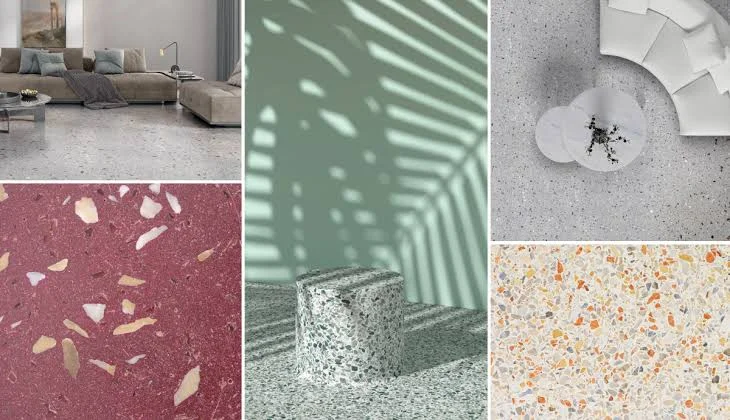
What is terrazzo? It is a composite material. You combine aggregates — marble, glass, stone, or recycled chips — with a cementitious or epoxy binder. The classic formula pairs marble chips with cement.
The terrazzo meaning extends well beyond that definition. It covers composition, type, and performance. These factors drive every selection decision you make as architects and designers.
This ultimate guide to terrazzo treats the material as a specification problem. You will work through binder types, wear and slip performance, design customization, sustainability documentation, and cost drivers. The closing section gives you a practical terrazzo specification framework. Each factor shapes how the finished surface performs in your project.
Key Takeaways
- Terrazzo combines aggregates like marble or glass with a binder to create a durable surface.
- Choose cement terrazzo for heavy traffic and epoxy terrazzo for fast, thin-set interiors.
- Match the finish to the location for slip resistance and plan a cleaning routine.
- Customize terrazzo with different aggregates, colors, and patterns to fit your design.
- Follow a step-by-step specification process to keep your project on budget and on time.
What Is Terrazzo Meaning?
Definition and Composition
A terrazzo definition starts with a simple idea: you combine aggregates with a binder. The aggregates can be marble, glass, stone, or recycled chips. The binder is either cementitious or epoxy. The classic formula pairs marble chips with cement. This terrazzo definition gives you a working baseline for specification work. Chip size and gradation control the visual texture. The matrix controls how those chips stay locked in place. You can also vary the binder-to-aggregate ratio to shift strength and appearance.
What is terrazzo made from? The answer depends on the mix design. You select the aggregate type, size, and gradation. You then choose the matrix that holds those chips together. Aggregate content often dominates the visual result. Binder choice dominates the performance result. A precise terrazzo definition must therefore name both parts. A mix with large chips reads as bold. A mix with fine chips reads as subtle. Gradation means the range of chip sizes in the blend. You can also blend aggregate types within one mix.
How terrazzo is made follows a clear sequence: mix, place, cure, grind, and polish. Each step affects the final surface. Grinding exposes the chips. Polishing refines the sheen. Curing determines how well the matrix hardens. Water content and mixing time also influence the final density. Placement technique affects chip distribution across the field. Skipping a step weakens the outcome.
The terrazzo meaning goes further than a recipe. It describes a family of materials with different binders and performance profiles. Your terrazzo definition should include binder type, aggregate content, and finish. These variables shape durability, appearance, and cost. They also guide your specification language. Two projects with the same chips can perform very differently under different binders. A finish schedule should record the sheen level you expect.
Origin and Design Legacy
Terrazzo began in 16th-century Italy. Craftsmen reused stone offcuts from larger projects. They set these fragments in a binder and polished the surface. This practice turned waste into a durable flooring material. The method spread because it solved a practical problem. It also produced a surface that wore well underfoot. Small workshops refined the technique over generations. Regional stone supplies shaped the local palette.
The 1920s marked a design turning point. Art Deco architects adopted terrazzo floors for their color and pattern potential. The material moved from utility to expression. Designers began to blend aggregates for graphic effects. Bold borders and geometric fields became common. Color choice became a design decision, not an afterthought. The surface became a signature of the era. Patterns often echoed the architecture around them.
That legacy still informs the terrazzo meaning today. You inherit a material with a strong decorative tradition. You also inherit a practical method for reusing stone and glass. Both aspects matter when you specify terrazzo flooring for a modern project. A clear terrazzo definition helps you honor that legacy while meeting current technical demands. The tradition gives you a design vocabulary. The method gives you a responsible material strategy. Document both in your project notes for future reference.
Epoxy or Cement Terrazzo Types
You face a clear choice between epoxy or cement terrazzo. Each system suits different applications. The comparison below shows where each type fits best.
Cementitious Terrazzo
Cementitious terrazzo uses a cement binder. This system suits traditional projects and exterior applications. It handles moisture well and performs under heavy foot traffic. Many cement terrazzo floors appear in lobbies, corridors, and public buildings. The curing process takes longer than epoxy. Plan your schedule around that cure time.
Cementitious systems also work well for poured-in-place terrazzo flooring. You place the mix on site and grind it after curing. This method gives you a seamless field with few joints. A poured-in-place terrazzo floor demands careful site conditions. Temperature and moisture affect the cure. Confirm both before terrazzo installation begins.
Epoxy and Rustic Terrazzo
Epoxy terrazzo uses a resin binder. This system cures fast and supports thin-set construction. You gain design freedom with a thin profile and a wide color range. Epoxy terrazzo floors suit interior spaces such as retail boutiques and hotel interiors. Many epoxy terrazzo systems also accept fine aggregates and detailed patterns. A poured-in-place terrazzo system with epoxy binder speeds up your schedule.
Rustic terrazzo offers a textured surface for outdoor settings. You specify it for walkways, plazas, and pool surrounds. The finish provides grip underfoot. Each of these types of terrazzo serves a distinct purpose. Compare epoxy vs cement systems against your application first.
G·ONE supplies precast terrazzo as another route. The range includes regular terrazzo, recycled terrazzo, and mosaic terrazzo. Precast panels arrive factory-finished. This option supports tight timelines and consistent quality. An epoxy terrazzo floor or a cement system both remain valid choices. Match the binder to your project needs.
Terrazzo Performance and Maintenance
Durability and Slip Resistance
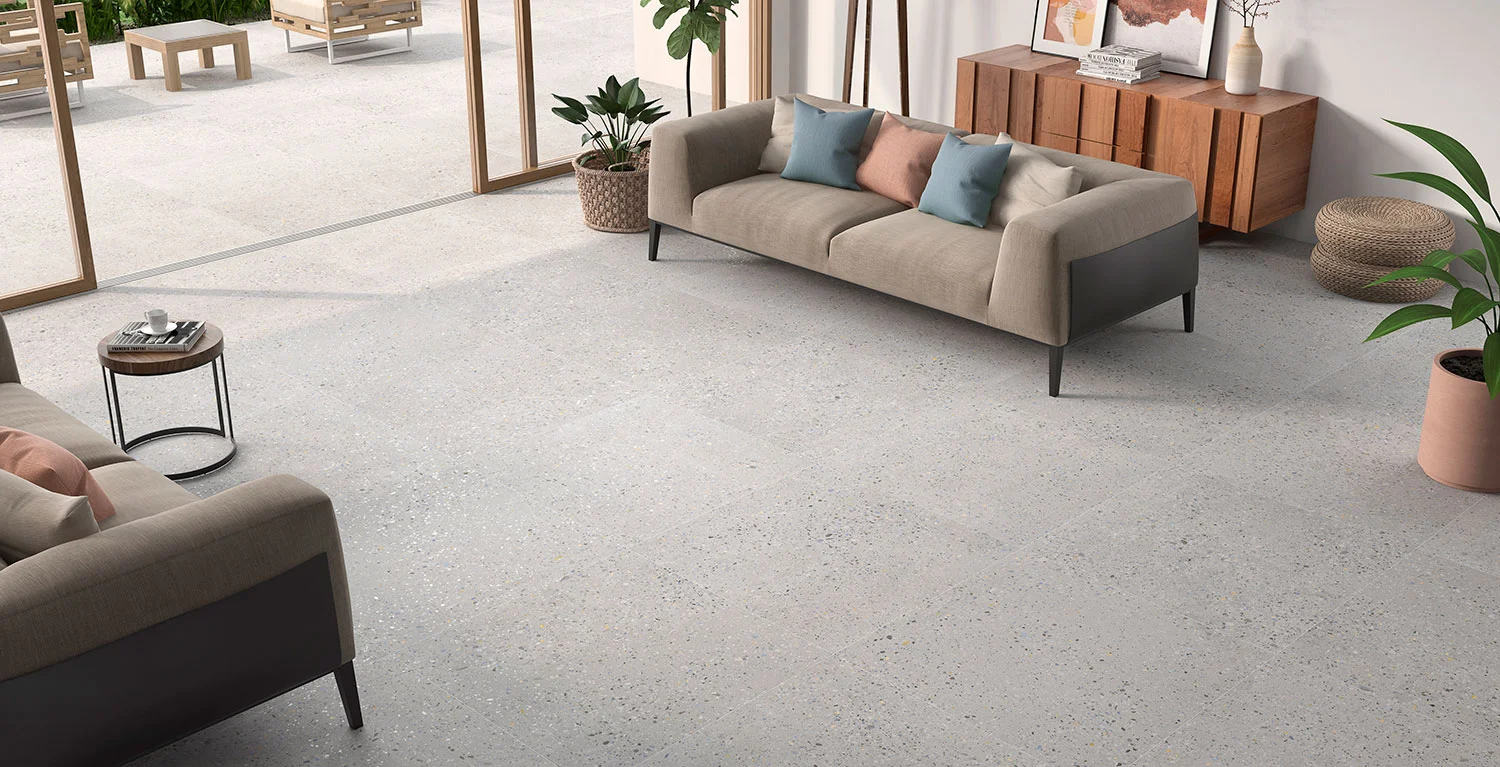
Terrazzo earns its place in demanding settings. The aggregate chips carry much of the wear, and the binder locks them in place. A dense matrix resists abrasion under constant footfall. Compressive strength varies with mix design, so confirm the value on the technical data sheet for your chosen system. Cement terrazzo floors generally deliver robust structural performance. Epoxy terrazzo floors cure to a hard, tight surface. Both handle the traffic loads you find in hotel lobbies and retail boutiques.
Slip resistance depends on the finish, not the binder alone. A polished surface reads as sleek, yet it offers less grip when wet. A honed or lightly etched finish raises friction underfoot. Specify the finish by location: polished in low-moisture interiors, textured at entrances and wet zones. This logic shapes many applications of terrazzo in commercial work. Test the actual sample under wet conditions before you approve it.
Cleaning and Long-Term Care
Routine care keeps a terrazzo floor looking sharp. Sweep or dust-mop daily to remove grit. Damp-mop with a neutral cleaner and avoid acidic products. Acid attacks cement matrices and dulls the surface over time. An epoxy terrazzo floor tolerates routine cleaning well, yet it still needs pH-neutral products. Prompt spill cleanup protects both binder types.
Sealing schedules differ across systems. Cement-based surfaces typically need periodic sealing to manage porosity. Epoxy systems usually need less frequent sealing, though high-traffic zones still warrant review. Build a care plan into your terrazzo installation documents. Include cleaning protocols, resealing intervals, and a repair path for chips. Precast panels from G·ONE simplify long-term care, because factory finishing delivers consistent surface quality. A written maintenance plan extends the life of terrazzo flooring in any project.
Terrazzo Design and Customization
Aggregates, Color, and Pattern
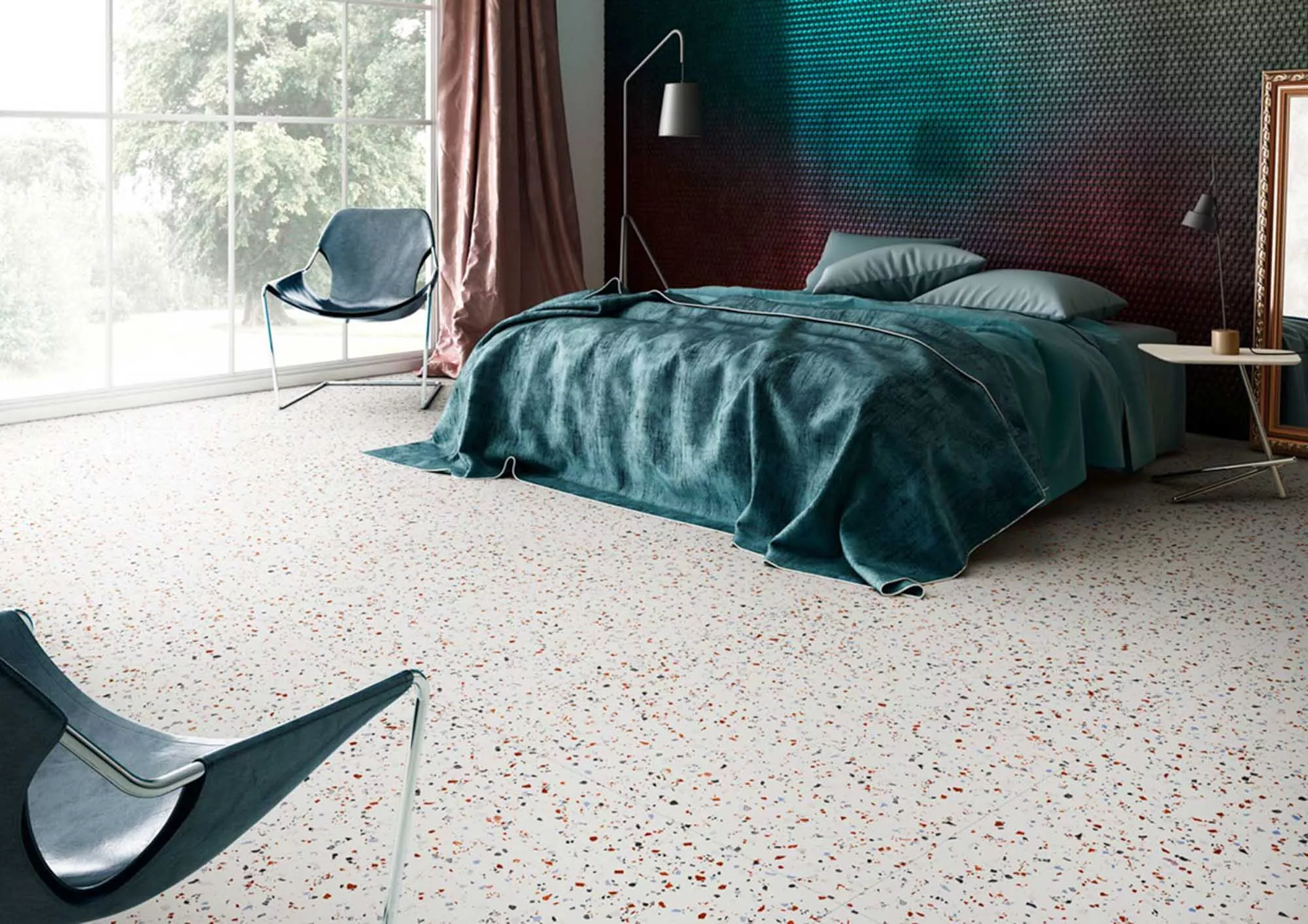
Your terrazzo aggregate choice sets the visual character of the surface. Natural stone and marble chips deliver classic depth and a broad tonal range. Glass chips add sparkle and reflect light across the field. Recycled chips support a responsible material story while keeping the palette flexible. Blend two or three aggregate types to create contrast between large and fine chips. Gradation controls how busy or calm the final surface reads.
Color blending turns a mix into a design decision. You can match a brand palette, echo a facade tone, or build a graphic field with borders and inlays. Pattern work extends to logos, mascots, and artwork set directly into the terrazzo. These features let architects and designers carry identity into the floor plane. Approve a physical sample under the project lighting before you commit.
Custom Fabrication with G·ONE
G·ONE supports customization across the full specification. Options include custom colors, aggregate blends, dimensions and thickness, and surface finishes. The team also builds custom moulds and shapes for UHPC blocks. Fabrication details such as CNC cutting and edge processing let you resolve precise junctions and profiles. Share your drawings, estimated quantities, and application details to evaluate material requirements efficiently.
G·ONE publishes digital catalogs and design lookbooks as a working resource. Use them to compare collections, review technical specifications, and shortlist material options. The lookbooks help you align a terrazzo palette with the wider interior scheme. Request project samples to test color and finish in place. Expert engineering support stands behind each specification, so your design intent carries through to the finished panel.
Sustainability and Cost Factors
Recycled Terrazzo and EPDs
Recycled terrazzo incorporates recovered materials into new decorative surfaces. You can specify recycled chips in place of virgin aggregate and keep the same visual depth. G·ONE’s recycled terrazzo line follows this approach. The brand also explores recycled resources and advanced processing methods across its manufacturing. This strategy combines material design with responsible resource use.
Environmental performance is documented through Environmental Product Declarations (EPDs) where available. An EPD gives you verified data on a product’s environmental impact across its life cycle. Request the EPD for your chosen terrazzo system and review it against your project goals. Use the document to support green building targets and to compare options on a like-for-like basis. Confirm the EPD scope covers the specific product and manufacturing site you plan to use.
Budgeting Across Systems
Cost drivers differ across cementitious, epoxy, and precast systems. Binder type sets the base material cost. Aggregate selection shifts the price, because natural stone, marble, and glass chips carry different values. Thickness affects material volume and weight. Customization adds cost through color matching, custom moulds, and fabrication steps such as CNC cutting and edge processing. Installation labor also varies with the system and site conditions.
Match the system to your project type and budget. Cementitious terrazzo suits traditional and exterior work where cure time fits the schedule. Epoxy terrazzo supports fast-cure, thin-set interiors with detailed patterns. Precast panels from G·ONE arrive factory-finished, which supports tight timelines and consistent quality. Review terrazzo installation requirements early, because site conditions and labor affect the final number. A clear scope at the sample stage keeps terrazzo flooring budgets predictable.
Terrazzo Specification Step by Step
Matching Material to Project
A sound terrazzo specification follows a fixed sequence. Work through these steps in order, and each decision narrows the next one.
- Define the application and traffic load. Note whether the surface serves a hotel lobby, a retail boutique, or an exterior plaza. Traffic volume and moisture exposure set the performance bar.
- Choose the binder type. Cementitious systems suit traditional and exterior work. Epoxy systems suit fast-cure, thin-set interiors. Rustic finishes fit textured outdoor surfaces.
- Select the aggregate and finish. Match chip type, gradation, and sheen to the design intent. Confirm slip resistance for wet zones.
- Confirm dimensions and thickness. Panel size, joint layout, and thickness affect weight, substrate, and cost.
- Review sustainability documentation. Request the EPD where available and check its scope against your product and site.
This sequence keeps your terrazzo specification grounded in project facts. Architects and designers who follow it avoid late-stage changes. A clear terrazzo specification also protects the budget.
Specification Checklist
Use this checklist to close out your terrazzo specifications before tender.
- Drawings: dimensioned plans, elevations, and joint layouts.
- Estimated quantities: area, panel count, and waste allowance.
- Application details: substrate, traffic, moisture, and finish by location.
- Samples: physical chips and panels approved under project lighting.
- Technical data sheets: compressive strength, slip resistance, and care requirements.
Document each item in the terrazzo specification package. When you specify terrazzo floors, state the binder, aggregate blend, thickness, and finish in writing. For cement terrazzo installation, confirm cure time against the schedule. For epoxy terrazzo installation, confirm substrate moisture and temperature limits. Both routes demand early coordination with the contractor.
Specifying a terrazzo floor also means planning the terrazzo installation sequence. Note when the surface goes down relative to other trades. Protect finished terrazzo floors during construction. Record the sealing schedule in the terrazzo specifications so the owner inherits a clear care plan.
G·ONE supports this process with tailored consultations, project samples, and expert engineering support. Share your drawings and quantities, and the team helps you evaluate material requirements. That support tightens your terrazzo specification and reduces risk at every stage.
You now hold a complete view of terrazzo selection. Composition, type, performance, design flexibility, sustainability, and cost each shape the final surface. This ultimate guide to terrazzo shows how those factors connect. A clear grasp of terrazzo meaning gives you the confidence to specify with precision.
Apply the step-by-step framework to your next project. Define the application, choose the binder, and select the aggregate and finish. Then confirm dimensions and review the EPD. G·ONE stands ready as your resource for terrazzo and UHPC solutions, with samples and engineering support.
Informed specification turns a complex material choice into a confident decision. Start early, document every step, and your terrazzo floors will perform as designed.
FAQ
Which binder should you choose for a hotel lobby?
Match the binder to traffic and schedule. Cementitious terrazzo handles heavy footfall and exterior exposure well. Epoxy terrazzo cures fast and supports thin-set interiors with detailed patterns. Confirm the finish by zone, then approve a sample under the lobby lighting before you commit.
How does precast terrazzo compare with poured-in-place work?
Precast panels arrive factory-finished, so you gain consistent quality and a tighter timeline. Poured-in-place systems give you a seamless field with few joints. Both routes remain valid. Weigh site conditions, joint layout, and cure time against your program before you decide.
Can you customize aggregate, color, and shape?
Yes. G·ONE offers custom colors, aggregate blends, dimensions and thickness, and surface finishes. The team also builds custom moulds and shapes for UHPC blocks, with CNC cutting and edge processing for precise junctions. Share drawings and quantities to evaluate requirements.
How do you document environmental performance?
Request the Environmental Product Declaration where available. Review its scope against your specific product and manufacturing site. G·ONE’s recycled terrazzo incorporates recovered materials, which supports green building targets. Pair that documentation with a clear terrazzo definition in your specification package so every reviewer reads the same scope.
A working grasp of terrazzo meaning helps you answer these questions on your own projects. Apply the same terrazzo definition across drawings, samples, and data sheets, and your specification stays consistent from tender to handover.