Picture yourself in the middle of a home renovation. You stand in a showroom, surrounded by samples of terrazzo. The colors and patterns seem endless. Choosing the right terrazzo floor can feel overwhelming. You want something stylish, but you also need terrazzo flooring that lasts and cleans up easily. Many people love terrazzo floors for their unique look and strength. If you need help, guiyi can guide you through every terrazzo decision.
Key Takeaways
- Think about your space before picking terrazzo. Decide if it is for a house or a business. This helps you pick the right strength and look.
- Pick the best type of terrazzo for your place. Epoxy works well where many people walk. Cement is good in places that get wet.
- Pick colors and patterns that fit your style. Neutral colors make a room feel calm. Bright colors can stand out and look bold.
- Choose thicker tiles for more strength. Thicker terrazzo tiles last longer and do not wear out fast. They are good for busy spots.
- Take care of your terrazzo often. Dust mop it every day. Seal it every 1 or 2 years to keep it looking nice.
- Watch out for slippery floors in wet places. Use honed or textured finishes to stop slips in bathrooms and kitchens.
- Get a pro to install poured terrazzo. Experts make sure the floor is strong and does not crack.
- Buy good quality materials. It may cost more at first, but terrazzo lasts long and is easy to care for.
Assess your needs
Room function
Residential vs commercial
You need your terrazzo floor to fit your space. In homes, terrazzo adds style and is easy to clean. Kitchens, living rooms, and entryways look nice with terrazzo. In commercial places, terrazzo is strong and needs little care. You see terrazzo in hospitals, hotels, and offices. It handles lots of people walking and stays shiny. The smooth surface makes cleaning quick. This is good for hospitals and public areas. If you want to impress guests or clients, terrazzo lets you pick designs that make your lobby look great.
- Terrazzo is good for busy places like hospitals and offices.
- Its smooth surface is simple to clean.
- Custom designs help your space look special.
Wet vs dry areas
Think about where you want to put terrazzo. Wet places like bathrooms and kitchens need extra safety. Slip-resistant sealers or carborundum strips on stairs help stop slips. In dry rooms, you can focus on style and comfort. Epoxy terrazzo is a smart choice for tall buildings. It is light and does not stress the structure.
Traffic level
High-traffic zones
Some rooms get used a lot every day. For these spots, you need a floor that lasts. Epoxy terrazzo is a great choice for busy areas. It does not wear out fast, stays nice, and is easy to clean. You often see it in schools, airports, and malls.
| Area | Minimum Recommended Rating |
|---|---|
| Footpaths & public walkways | P4–P5 / R11–R12 |
| Ramps (gradient <1:14) | P4 / R11 |
| Car parks & driveways | P4–P5 / R11–R12 |
Terrazzo can handle heavy use and big impacts. It is the top pick for places like convention centers. Many terrazzo floors last 50 to 75 years or more, even in old buildings.
Low-traffic spaces
In bedrooms or private offices, you can focus on style and comfort. Large-format terrazzo tiles look nice in these rooms. But they may crack if used too much. For quiet rooms, you can choose what you like.
Style and palette
Neutral tones
If you like simple looks, neutral colors are best. Minimalist designs use clean, plain colors. Terrazzo in gray, white, or beige feels calm and open. These colors make rooms look bigger and brighter.
- Neutral or single-color schemes keep things simple.
- Large-format terrazzo tiles give a neat look.
- The chips in terrazzo shine and add depth without making the room busy.
Large-format tiles
Large-format terrazzo tiles help make a smooth look. They make small rooms feel bigger and more open. These tiles are good for modern and simple rooms. You get more space and light, and the floor feels smooth.
Color scheme tips
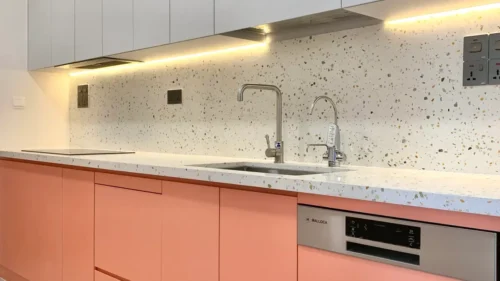
You can match your color scheme by picking light, medium, and dark shades from your terrazzo. For example, use a light color for a bright kitchen, mid-tones for a backsplash, and dark shades for a bold look. Terrazzo fits many styles, like Scandinavian or Mediterranean. The chips in terrazzo reflect light and add interest without making your design too busy.
Tip: When you choose terrazzo, look at your furniture and wall colors. Try to match or contrast with the chips in your terrazzo for a balanced look.
Terrazzo flooring types
When you look at terrazzo flooring, you will see a few main types. Each type has its own strengths and fits different spaces. Let’s look at the options so you can pick what works best for your home or business.
Material options
Cement-based
Cement-based terrazzo uses cement as the binder. It gives a classic look and handles moisture well. This type works great in bathrooms or entryways. Cement terrazzo costs more at first and needs more care over time. The color might change a bit as it ages, which adds character.
Epoxy-based
Epoxy-based terrazzo uses epoxy resin instead of cement. It gives bright colors and a smooth finish. Epoxy terrazzo is stronger and resists bending or cracking better than cement. It’s non-porous, so spills do not soak in. You can mix in different chips and colors for unique designs. Epoxy works best in dry areas and tall buildings because it is lightweight.
Precast vs poured
You can pick precast terrazzo tiles or poured terrazzo. Precast tiles are made in a factory and then put in your space. They are less likely to crack and offer steady quality. Poured terrazzo gets installed right on your floor. It lets you make custom patterns, but it can crack more if the base moves.
Tip: If you want a floor that lasts longer and stays strong, precast terrazzo tiles are usually a safer bet than poured terrazzo.
Here’s a quick comparison to help you decide:
| Property | Epoxy Terrazzo | Cement Terrazzo |
|---|---|---|
| Compressive Strength | More than three times that of cement | Lower than epoxy |
| Tensile Strength | Substantially stronger | Weaker |
| Flexural Strength | Superior, resists bending | Less resistant to bending |
| Design Flexibility | Highly customizable with aggregates | Limited by aggregate size and type |
| Color Consistency | Vibrant, consistent colors | Variability due to installation factors |
| Moisture Conditions | Non-porous, requires moisture mitigation | Porous, better for high-moisture areas |
| Installation Costs | Comparable to cement, lower lifecycle | Higher initial costs, more maintenance |
Tile thickness
Standard sizes
Terrazzo tiles come in different thicknesses. Most tiles are about 1.3 cm to 2.3 cm thick. Thicker tiles are used in places that need extra strength, like busy hallways or commercial spaces.
Durability impact
Thicker terrazzo tiles give more strength and last longer. They handle heavy traffic and resist wear and tear. If you want your floor to stay nice for years, pick thicker tiles. Research shows tiles around 2.3 cm thick work much better than thinner ones. You will see less cracking and chipping, especially in busy areas.
| Terrazzo Type | Average Lifespan |
|---|---|
| Cement-based | 40+ years |
| Epoxy-based | 40+ years |
Finish choices
Polished
Polished terrazzo shines and reflects light. It gives a modern look. This finish works well in living rooms or lobbies where you want to impress guests.
Honed
Honed terrazzo has a matte finish. It feels smooth but does not reflect much light. You might like this finish in bedrooms or offices where you want a softer look.
Textured/slip-resistant
Textured or slip-resistant terrazzo is perfect for wet areas. You stay safe in bathrooms, kitchens, or entryways. This finish helps prevent slips and falls, making it a smart choice for families.
Note: Terrazzo flooring gives you durability, endless design versatility, sustainability, easy maintenance, and cost-effectiveness. You can create custom terrazzo designs that fit your style and needs.
Terrazzo floor quality
Durability
Wear resistance
You want your floor to last for years. Terrazzo stands out because it handles daily wear and tear like a champ. The mix of marble chips and strong binders makes it tough. You can walk, run, or even drag furniture across it, and it still looks great. Many people choose terrazzo for busy places because it keeps its shine and smooth surface for decades.
- Terrazzo flooring can last up to 100 years with good care.
- It resists scratches, chips, and dents better than most other floors.
- You get a floor that stays beautiful, even in high-traffic areas.
Crack resistance
Cracks can ruin the look of any floor. You want to avoid that. Terrazzo has a strong structure, but you should still think about a few things before installation:
- Check the condition of the base under your floor.
- Plan for movement in the building.
- Use crack isolation and control joints to stop cracks from spreading.
- Watch out for moisture or chemicals that might affect the floor.
Here’s a quick look at how different terrazzo types compare:
| Comparison Item | Inorganic Terrazzo Engineered Stone | Traditional Terrazzo Tile |
|---|---|---|
| Crack Risk | Very low | High (shrinkage & uneven stress) |
If you want seamless terrazzo floors that stay smooth, pick engineered stone or precast tiles. They have a much lower risk of cracking than traditional poured terrazzo.
Tip: Good installation and regular checks help prevent cracks and keep your terrazzo floor looking new.
Stain resistance
Sealing needs
You want your floor to stay clean and bright. Terrazzo does a great job resisting stains, but sealing is key. A good sealer blocks spills and dirt from soaking in. Over time, sealers wear down, so you need to check them often.
- Seal your terrazzo every 1 to 2 years, especially if you have cement terrazzo.
- Watch for dull spots or stains. These signs mean it’s time to reseal.
- Regular sealing makes cleaning easier and keeps your floor safe from damage.
| Sealing Frequency | Purpose | Type of Terrazzo |
|---|---|---|
| Every 1 to 2 years | Protect from stains and moisture | Cement terrazzo |
Note: Sealing terrazzo floors is simple but important. It helps you avoid big repairs later.
Kitchen and bath suitability
You might wonder if terrazzo works in kitchens and bathrooms. The answer is yes! Terrazzo becomes almost stain-proof when sealed. It stands up to spills, water, and even chemicals. That’s why many people use terrazzo in kitchens and baths.
| Feature | Description |
|---|---|
| Stain Resistance | Terrazzo becomes virtually impervious to stains from spills and chemicals. |
| Ideal for | Kitchens and bathrooms due to high resistance to moisture penetration. |
You get peace of mind knowing your beautiful terrazzo floors can handle messes and moisture.
Maintenance
Cleaning methods
You don’t need fancy tools to keep terrazzo clean. Daily dust mopping stops dirt from scratching the surface. Use a high-quality dust mop or microfiber mop. For deeper cleaning, a steam mop or a nylon brush works well. If you spill something, blot it up fast with a soft cloth and use a neutral cleaner.
- Don’t use ammonia, acid, or harsh cleaners. They can damage the finish.
- Hot water extraction and microfiber mops help remove tough dirt.
- Always check and reapply sealer as needed.
Tip: A steam mop or nylon brush is enough for most cleaning jobs. Keep it simple!
Upkeep tips
Regular care keeps your terrazzo looking fresh and strong. Here’s what you can do:
- Dust mop every day to stop scratches.
- Clean spills right away to avoid stains.
- Scrub with a neutral cleaner when the floor looks dull.
- Polish or refinish once or twice a year, depending on how much you use the space.
- Inspect the sealer often and reapply before it wears out.
If you follow these steps, your terrazzo floor will last for decades. You’ll avoid costly repairs and enjoy a floor that always looks its best.
Remember: Terrazzo’s easy maintenance is one of its biggest benefits. You get durability, versatility, and style with very little effort.
Budget and value
When you plan for terrazzo in your home or business, you want to know what affects the price and if it’s worth the investment. Let’s break down the main things you should think about before you buy.
Price factors
Material and size
The cost of terrazzo depends on the materials you pick and the size of the tiles. Cement-based terrazzo usually costs less than epoxy-based. If you want bright colors or custom designs, you will pay more. Larger tiles can also raise the price. Here’s a quick look at how material type and size affect your budget:
| Material Type | Cost Range (per sq ft) | Notes |
|---|---|---|
| Cement-based | $5 – $15 | Less expensive than epoxy |
| Epoxy-based | $40 – $150 | High quality, more design options |
| Terrazzo Tiles | $4 – $12 | Pre-made, cheaper option |
| Labor Costs | $10 – $20 | Changes with installation method |
You also need to think about the type of chips or aggregates you want. Marble chips can cost a lot, and custom colors add to the price.
Brand comparison (mention guiyi)
Some brands offer better quality or more choices. guiyi is known for reliable terrazzo products and clear pricing. When you compare brands, look at the materials, the finish, and the support they give you. A trusted brand can help you avoid problems and get the look you want.
Tip: Terrazzo installation costs more at first than other floors, but it can save you money over time because it lasts longer and needs less care.
Installation costs
Labor vs DIY
You can hire a pro or do the job yourself. Professional terrazzo installation costs more, but you get expert results. DIY can save money, but it takes time and skill. Here’s a simple table to compare:
| Installation Method | Material Cost (per sq ft) | Labor Cost (per sq ft) | Total Cost (per sq ft) |
|---|---|---|---|
| Professional (poured) | $5 – $15 | $10 – $20 | $25 |
| DIY (tiles) | $4 – $12 | $5 – $10 | $15 |
Tools and extras
If you go the DIY route, you need special tools. You will need cement or epoxy resin, marble or glass chips, coloring agents, heavy rollers, trowels, grinders, safety glasses, and more. These extras can add up, so plan your budget carefully.
Long-term value
Lifespan
Terrazzo lasts a long time—over 75 years on average. Many old buildings still have their original terrazzo floors. You won’t need to replace it often, and it stands up to scratches and heavy use. This makes terrazzo a smart choice for busy spaces.
Resale impact
Buyers see real terrazzo as a sign of quality. It adds value to your property because it looks good and lasts. If you ever sell your home, authentic terrazzo can help you get a better price. Vinyl versions do not add the same value, so stick with the real thing for the best return.
Note: Terrazzo may cost more at first, but its long life and low upkeep make it a great investment for your space.
Terrazzo floor installers & installation

Professional vs DIY
When to hire pros
You might feel tempted to tackle a terrazzo flooring project yourself. The truth is, terrazzo installation is tricky. Terrazzo floor installers have the expertise to handle every step, from mixing materials to polishing the surface. Professionals know how to work with different installation techniques, which helps you avoid mistakes that could lead to cracks or costly repairs. If your space needs poured terrazzo, you should hire expert installation services. The process takes days and needs careful attention. Terrazzo must sit on a solid foundation. If the base moves, cracks can appear. Skilled terrazzo floor installers make sure your floor stays strong and beautiful for years.
DIY tips
If you want to try installing precast terrazzo tiles, you can do it yourself with patience and the right tools. Start by reading instructions and watching videos. Make sure your subfloor is flat and stable. Use a level and check for bumps. Lay out your tiles before you glue them down. Take your time and don’t rush. If you run into trouble, ask for help from professionals. Remember, DIY works best for small projects or simple tile layouts.
Installation process
Prep and layout
The installation process changes depending on the type of terrazzo. Here’s a quick look:
- Poured terrazzo gets installed on-site. You need to prep the area, mix materials, pour, and then grind and polish the surface.
- Precast terrazzo slabs are made offsite. You just place them in position and secure them.
- Cementitious terrazzo uses marble chips and cement, while epoxy terrazzo has its own special steps.
Before you start, clean the area and make sure the base is solid. Plan your layout so the design looks balanced. Use safety gear and follow instructions closely.
Common challenges
You might face some challenges during installation:
- The work is labor-intensive and takes time.
- You need special skills and equipment.
- Sometimes, finding skilled labor is hard.
- Mixing, pouring, and grinding terrazzo takes practice.
- DIY can be tough for beginners and may lead to delays or extra costs.
Tip: If you want your terrazzo flooring project to last, choose the right installation method. Poured terrazzo can crack if the base moves, but precast slabs offer more durability.
Aftercare
Cleaning routines
Keeping your terrazzo clean is simple. Use a dust mop or sweep to remove dirt and hair. Clean spills right away to stop stains. Use pH-neutral cleaning agents and avoid harsh chemicals. Schedule polishing every so often to keep your floor shiny.
- Dust mop daily.
- Clean spills quickly.
- Use gentle cleaners.
- Polish the floor when it looks dull.
Repairs and restoration
If your terrazzo gets scratched or chipped, you can fix it. Small repairs need patching and polishing. For bigger problems, call terrazzo floor installers for restoration. They can grind, fill, and polish the surface so it looks new again. Regular care keeps your terrazzo strong and beautiful.
Note: Good aftercare helps your terrazzo last longer and keeps it looking great.
Mistakes to avoid
When you pick a new floor, you want it to look great and last a long time. But some common mistakes can ruin your hard work. Here’s how you can avoid the biggest problems with terrazzo floors.
Maintenance neglect
Skipping cleaning
You might think you can clean your floor with any product, but that’s not true. Using the wrong cleaner can damage your floor. Here are the most frequent cleaning mistakes people make:
- Using all-purpose cleaners can harm the delicate surface.
- Vinegar-based cleaners are acidic and can dull the shine.
- Scrubbing with rough pads or brushes can scratch the finish.
- Leaving spills on the floor can cause stains and damage the wax.
Tip: Always use a pH-neutral cleaner and a soft mop. Clean up spills right away to keep your floor looking new.
Ignoring sealing
Sealing protects your floor from stains and water. If you skip this step, you risk permanent damage. Check your floor’s sealer every year. If water doesn’t bead up, it’s time to reseal. Don’t wait until you see stains or dull spots.
Slip resistance
Wrong finish in wet areas
You want your home to be safe, especially in bathrooms and kitchens. The finish you choose makes a big difference. Some finishes get slippery when wet. Others help prevent falls. Check out this table:
| Finish Type | Slip Resistance |
|---|---|
| Honed or Matte | Better |
| Highly Polished | Slippery |
If you use a highly polished finish in a wet area, you could slip and fall. Pick a honed or matte finish for better grip.
Safety for families
If you have kids or older adults at home, safety matters even more. Choose slip-resistant finishes in places where water might spill. Add mats near sinks and showers for extra protection.
Color mismatches
Lighting effects
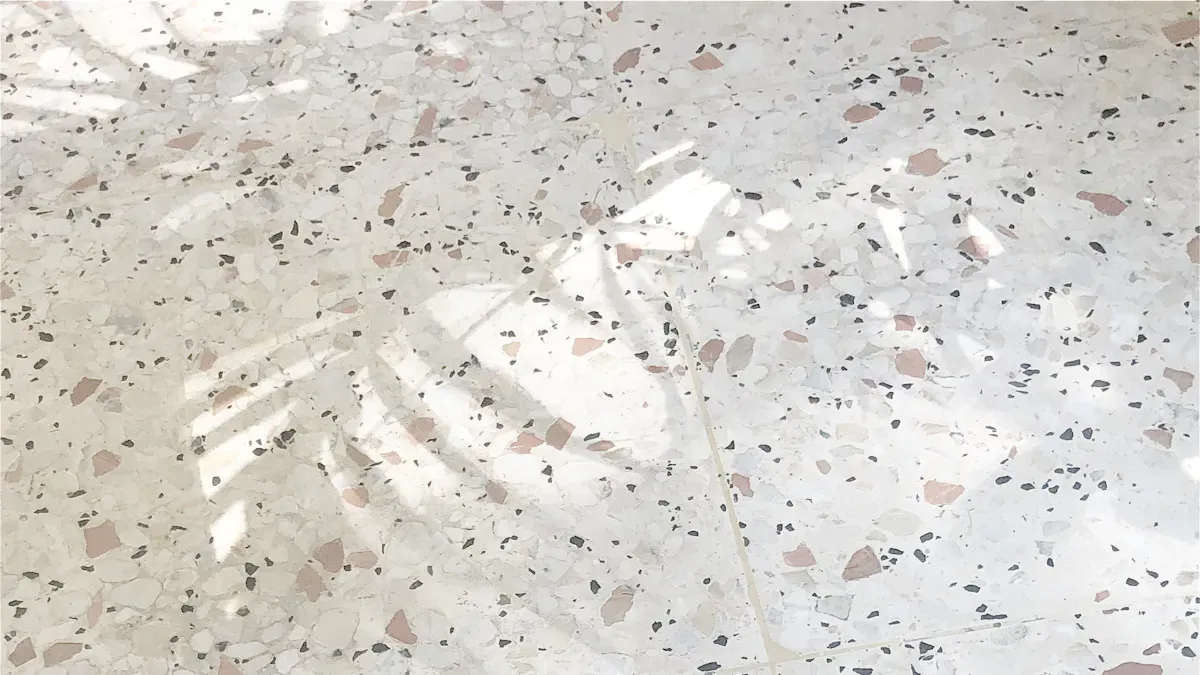
Colors can look different in sunlight, shade, or under lamps. Light bounces off the chips and surface, making shadows and highlights that change during the day. This keeps your floor looking lively and interesting.
- Light changes the way your floor looks from morning to night.
- You might notice new patterns or colors as the sun moves.
Decor coordination
No two terrazzo floors look exactly the same. The chips and colors mix in random ways. This makes your floor unique and full of character.
- The random pattern keeps your space from feeling stiff or boring.
- You can match your furniture and walls to the colors in your floor for a balanced look.
Note: Bring home a sample and look at it in your room at different times of day. This helps you pick the right color for your space.
You are ready to pick the best terrazzo floor for your room. These tips help you avoid problems and make good choices. If you want your terrazzo installed well, talk to people who know what they are doing. You can ask terrazzo experts or trusted terrazzo floor installers like guiyi for help. Look for more information or ask questions before you choose your terrazzo floor.
FAQ
What makes terrazzo flooring a good choice for homes?
You get a floor that lasts for decades. Terrazzo resists stains and scratches. It looks stylish in any room. You can pick colors and patterns that match your taste.
Can you install terrazzo over old floors?
Yes, you can. You need a flat, stable surface. Remove loose tiles or carpet first. Ask a pro for advice if you are not sure.
How do you clean terrazzo floors?
Use a dust mop or soft broom every day. For deeper cleaning, use a steam mop or nylon brush. Avoid harsh chemicals. A pH-neutral cleaner works best.
Is terrazzo slippery when wet?
Polished terrazzo can get slippery. In wet areas, choose a honed or textured finish. Add mats near sinks or showers for extra safety.
Does terrazzo crack easily?
No, terrazzo is strong. Cracks can happen if the base moves or if installation is poor. Precast tiles crack less than poured terrazzo.
How often should you reseal terrazzo floors?
Check your floor every year. If water does not bead up, reseal it. Most terrazzo floors need sealing every 1–2 years.
Can you use terrazzo in kitchens and bathrooms?
Yes! Terrazzo works well in kitchens and baths. It resists stains and water. Just make sure you seal it regularly.
What is the cost of terrazzo flooring?
Prices vary. Cement terrazzo costs less than epoxy. Tiles are cheaper than poured floors. Expect to pay more for custom designs or professional installation.