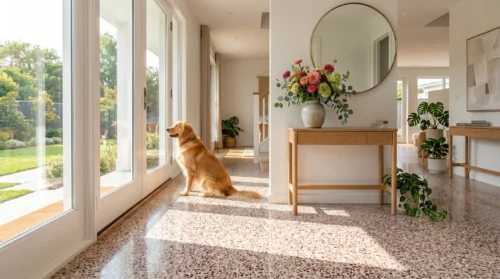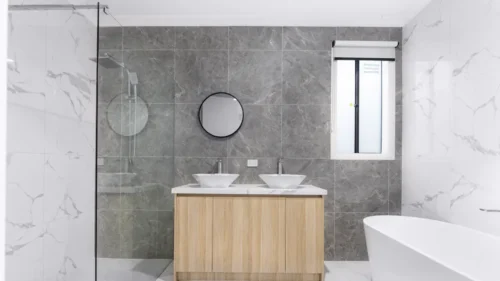

You pick the best terrazzo floor by thinking about what your space needs. Terrazzo is strong, flexible in design, and good for the environment. More people want terrazzo, and the market will be worth $31,951.2 million in 2025. Owners like terrazzo because it looks unique and is easy to care for. When considering commercial terrazzo solutions, you look at design, installation, price, and maintenance. GuiYi experts help you explore choices for commercial terrazzo solutions. They guide you to the best terrazzo floor for your needs now and in the future.
Key Takeaways
- Think about how strong you need your terrazzo to be. Cement-based terrazzo works well in busy places. Epoxy terrazzo bends more and does not get damaged by chemicals.
- Make sure the base is ready before you start. The base should be clean, dry, and flat. This stops cracks and helps your terrazzo floor last longer.
- Use dividers to help stop cracks. Putting dividers in the right spots keeps the floor strong. It also follows what experts say is best.
- Plan how long the work will take. Poured-in-place terrazzo needs more time than precast terrazzo. Make a schedule so you do not have too many problems.
- Pick the finish that works for you. Different finishes change how the floor looks and how you clean it. Choose one that matches your style and how you want to clean.
- Pick the tile size and thickness for how you will use it. Thicker tiles last longer, especially where many people walk.
- Think about how terrazzo affects the environment. Choose terrazzo with recycled materials to help the planet. This also helps meet green building rules.
- Talk to experts for help. Use resources like GuiYi to get advice on design, installation, and care. This will help your terrazzo project turn out well.
Key Factors in Commercial Terrazzo Solutions
Durability and Longevity
If you pick terrazzo for your business, you want it to last. Durability is important because many people walk on the floor. Rolling carts and cleaning machines can wear out other floors. Terrazzo is strong and lasts a long time. Cement-based terrazzo is good for busy places because it is tough. Epoxy terrazzo bends more and fights chemicals, so it lasts longer. You can make terrazzo stronger by getting the base ready. The base should be clean, dry, and flat. This helps the terrazzo stay strong. In places with heavy loads, metal lath or mesh can stop cracks. Polishing and sealing protect the floor from stains and damage. These steps keep your terrazzo floor looking nice and strong for many years.
- Cement-based terrazzo is best for crowded areas.
- Epoxy terrazzo bends and resists chemicals well.
- Preparing the base keeps the floor tough.
- Metal lath or mesh helps in busy spots.
- Polishing and sealing protect against stains and damage.
Substrate and Movement
The base under your terrazzo matters a lot. If the base is not good, cracks or water damage can happen. Moisture tolerance is important for terrazzo to last. You need to check the base before starting. Some bases work better with epoxy terrazzo. Others are better for cementitious terrazzo. This choice changes how your floor looks and lasts. Curing time depends on the base. Cementitious terrazzo takes longer to cure. This can slow down your business. You should plan for this so your space stays on track.
- The base controls moisture tolerance.
- The base helps you choose between epoxy and cementitious terrazzo.
- Curing time changes with the base and affects your business.
You also need to watch for movement in the base. If the concrete moves, it can cause problems. Check moisture in the concrete to stop the floor from peeling. Fix any height issues to keep the floor level. For thin set installations, the base must be flat within 1/4 inch over 10 feet. If you see cracks in the base, fix them before installing terrazzo. This keeps your floor smooth and strong.
- Check moisture in the concrete.
- Fix height for a level floor.
- Make sure the base is flat enough.
- Repair cracks before installing terrazzo.
Crack Isolation and Control Joints
Cracks can hurt the look and strength of your terrazzo floor. You can stop cracks by using the right methods. Putting dividers in the right places helps prevent cracks. Follow standards like ACI 302.1 R.89 for where to put joints. Put dividers above concrete joints to keep the floor solid. You can use zinc, aluminum, brass, or colored plastic for dividers. In clean places, use fewer dividers for a smooth look.
- Place dividers to prevent cracks.
- Follow standards for joint placement.
- Use dividers above concrete joints.
- Pick from zinc, aluminum, brass, or colored plastic.
- Use fewer dividers in clean areas for a smooth finish.
Some products, like Sika® membranes, give extra protection. These sheets or liquids dry fast and stop cracks from moving up into the terrazzo. You can use them in many commercial terrazzo solutions to keep your floor looking good.
Tip: Always talk to your terrazzo installer about crack isolation and control joints. This step protects your floor and keeps your commercial terrazzo solutions strong for a long time.
Turnaround Time and Access
You should think about how long terrazzo takes to install. The time depends on which method you pick. Poured-in-place terrazzo takes four to eight weeks. This way needs skilled workers and many steps. They pour, cure, grind, and polish the floor. Pre-cast terrazzo panels are faster to put in. These panels come ready, so you save time at your site.
Mr. Iorio said crews work faster with more space. If workers can install terrazzo in big areas, like 2,500 to 5,000 square feet, the job can be 30% quicker. If you split the job into small parts, it takes longer and costs more.
Terrazzo takes longer than vinyl or ceramic tile floors. You need to plan for this if you have a tight schedule. Some products, like Terrazzio tiles, let you walk on the floor in 24 hours. These tiles are good if you need to use the space fast.
- Poured-in-place terrazzo: 4–8 weeks
- Pre-cast terrazzo panels: faster to install
- Terrazzio tiles: walkable in 24 hours
Talk to your installer about how much space they need. Good planning helps you finish your terrazzo floor on time.
Moisture and Chemical Resistance
You want your terrazzo floor to last in busy places. Water and chemicals can hurt some floors, but terrazzo protects well. The type of terrazzo you pick changes how it fights water and chemicals.
Here is a table that shows how different terrazzo types perform:
| Property | Wayon Inorganic Terrazzo | Traditional Terrazzo |
|---|---|---|
| Water Absorption | 0.19–0.53% | ≥ 3% |
| Chemical Resistance | ●●●●● | ● |
| Freeze Resistance | ●●●●● | ● |
Epoxy terrazzo is great at stopping stains, oil, and grease. This makes it good for kitchens, labs, and places with strong cleaners. Do not use acid-based cleaners because they can hurt marble chips. Use neutral pH cleaners to keep your floor safe.
- Epoxy terrazzo stops stains and chemicals.
- Acidic cleaners can hurt marble aggregate.
- Neutral pH cleaners keep your floor safe.
If you want your floor to last, pick terrazzo with low water absorption and high chemical resistance. This keeps your terrazzo looking nice for a long time.
Finish and Aesthetics
You can pick from many terrazzo finishes to fit your style. The finish changes how your floor looks and how you clean it. Polished terrazzo is shiny and smooth. Honed finishes look softer and hide scratches better. Some finishes need more cleaning, while others are easier to care for.
- Different finishes change how much you clean.
- Busy areas need extra care to keep floors looking new.
- Dust mop every day and clean spills fast to stop damage.
- Polish every week or month to keep terrazzo bright.
You can choose colors, patterns, and aggregates for a special look. Terrazzo lets you match your brand or design. Think about how the finish will look over time and how much work it needs. Good choices give you a beautiful and strong floor for your business.
Tile Size and Thickness
You need to choose the right tile size and thickness for your commercial terrazzo floor. These choices affect how your floor looks, how long it lasts, and how easy it is to install. Tile size and thickness also change how your terrazzo handles heavy loads and foot traffic.
Here is a table that shows common terrazzo tile sizes and thickness options:
| Tile Size | Thickness Options |
|---|---|
| 600×600 mm | 15 mm, 18 mm, 20 mm, 30 mm |
| 800×800 mm | 15 mm, 18 mm, 20 mm, 30 mm |
| Custom sizes | 15 mm, 18 mm, 20 mm, 30 mm |
You can pick standard sizes or ask for custom sizes to fit your space. Most indoor areas use tiles that are 18–20 mm thick. Outdoor spaces or places with heavy loads need thicker tiles, usually 25–30 mm. Thicker terrazzo tiles last longerand resist damage better. You get more strength, but you also need more setting materials. This can make installation harder and take more time.
Here are some points to help you understand how tile thickness affects your terrazzo floor:
- Thicker tiles give your terrazzo more durability. You protect your floor from cracks and chips.
- You need more setting materials for thicker tiles. This can make installation more complex.
- Tile systems may crack or chip during installation. This can delay your project.
- Poured in place terrazzo creates a seamless bond with the base. You get better durability and fewer installation risks.
- Choose tile thickness based on where you use terrazzo. Indoor areas need less thickness than outdoor or heavy-load spaces.
Tip: Always talk to your installer about the best tile size and thickness for your terrazzo project. You make sure your floor meets your needs and lasts longer.
You can match tile size and thickness to your design goals and traffic levels. Large tiles give a modern look. Smaller tiles work well in tight spaces. The right thickness keeps your terrazzo strong and safe for years.
Types of Terrazzo Flooring
Epoxy Terrazzo
Epoxy terrazzo is a modern and colorful floor choice. You mix two parts of epoxy resin with chips like marble, glass, or stone. This makes thin and light floors that look bright and bold. You can install epoxy terrazzo faster than other types. It works best inside buildings, like airports, schools, and showrooms. The floor has no seams and can handle lots of people and carts. Epoxy terrazzo is strong, with PSI ratings over 10,000. It is good for tall buildings because it does not add much weight. You also get many design choices with epoxy terrazzo. You can pick almost any color or pattern.
Pros and Cons
| Pros | Cons |
|---|---|
| Fast installation | Only for indoor use |
| Wide range of colors and designs | Not good for areas with moisture |
| Lightweight and thin | Can yellow in sunlight |
| High strength and durability | Needs a dry, stable base |
| Easy to clean and maintain | Not for outdoor applications |
Tip: Epoxy terrazzo is great for big, busy places where you want style and easy cleaning.
Cement Terrazzo
Cement terrazzo gives you a classic look that lasts a long time. You mix cement with chips like marble or granite. This type is thicker and heavier than epoxy terrazzo. You can use cement terrazzo inside or outside. It handles water better than epoxy terrazzo. You see cement terrazzo in old buildings, schools, and outdoor walkways. Some cement terrazzo floors have lasted over 200 years. You need skilled workers to put in cement terrazzo. The job takes longer because the floor must cure before grinding and polishing. You must seal cement terrazzo often to stop stains.
Pros and Cons
| Pros | Cons |
|---|---|
| Works indoors and outdoors | Slower installation |
| Handles moisture well | Heavier and thicker |
| Classic, timeless appearance | Needs regular sealing |
| Very durable and long-lasting | Fewer color choices |
| Supports sustainable practices | Higher cost for historic projects |
Note: Cement terrazzo is a good pick if you want a classic look and need a floor that can handle water.
Precast Terrazzo
Precast terrazzo gives you ready-made pieces for your project. Factories make these tiles, stairs, or panels away from your site. You can choose the size, shape, and color you want. Precast terrazzo helps you finish your project faster because you do not pour and cure the floor on-site. You get less mess and fewer delays. You can use precast terrazzo for stairs, wall panels, countertops, and custom shapes. This type is good when you need quick installation or special designs.
Pros and Cons
| Pros | Cons |
|---|---|
| Fast installation | Needs careful planning for joints |
| Less disruption on-site | Substrate must be ready and flat |
| Custom sizes and shapes | Not as seamless as poured terrazzo |
| Good for stairs and wall panels | May need extra crack isolation |
| Consistent quality from factory | Limited by transport and handling |
Many terrazzo problems come from small details, not the material. You must plan for joints, changes, and protection during installation to get the best results.
Glass Aggregates
You can make your terrazzo floor special with glass aggregates. These are small glass pieces that shine and reflect light. When sunlight hits the floor, it sparkles and looks new. Designers use glass aggregates to match colors or make bold patterns. You can use them in many places, like lobbies or stores.
- Glass aggregates make terrazzo shiny and deep.
- You can choose from lots of colors and shapes.
- Recycled glass is good for the planet and saves money.
If you want a green terrazzo floor, glass aggregates are a smart pick. Using recycled glass helps the earth and shows you care. Your floor will last for many years and needs little care.
Glass aggregates cost more at first than some other materials. The table below shows how the costs work:
| Cost Factor | Initial Cost Impact | Long-Term Value |
|---|---|---|
| Material Selection | High | High |
| Labor & Installation | Moderate | Medium |
| Maintenance | Low | Very High |
You pay more at the start, but you save later. Glass terrazzo floors can last 40 to 60 years with little repair. This means you spend less money over time and get more value.
Tip: If you want a modern, green, and money-saving terrazzo floor, glass aggregates are a great choice.
Comparing Terrazzo Types
You have many choices when picking terrazzo for your space. Each type has good and bad points. The table below helps you compare epoxy, cement, and precast terrazzo:
| Flooring Type | Strengths | Weaknesses |
|---|---|---|
| Epoxy Terrazzo | Very strong, wears well, many colors, easy to clean, shiny, light, low cost over time | Not for outdoors, can have moisture problems, costs more at first |
| Cement Terrazzo | Works inside and outside, no moisture problems, low cost over time | Fewer colors, cracks easier, takes longer to finish, costs more at first |
| Precast Terrazzo | Quick to install, less mess, many designs | Takes longer to get, not good for big spaces, needs careful moving |
Think about where you will use the terrazzo floor. For busy places, epoxy terrazzo is best. It handles lots of people and heavy things. You see it in airports, schools, and hospitals.
Epoxy terrazzo is best for busy buildings because it is strong, easy to clean, and handles lots of people. It works well in airports, schools, and hospitals.
Cement terrazzo works inside and outside. It does not have water problems and lasts a long time. Precast terrazzo is good if you need fast work or special shapes. You can use it for stairs, walls, and cool designs.
When you compare terrazzo types, think about what you need. Look at cost, how long it takes to install, design, and how you will use the floor. This helps you pick the best terrazzo for your space.
Assessing Space Needs
Traffic Levels
You should think about how many people walk on your terrazzo floor. Busy places like airports or schools need strong floors. Terrazzo can handle lots of people and lasts a long time. Check the PEI rating to see if the floor is tough enough. Look for a rating of 4 or 5 for busy spots. The breaking strength should be more than 250 pounds. This helps stop cracks and chips.
Safety is important in crowded places. Slip resistance must meet ANSI A326.3 rules. Grocery stores need a value higher than 0.42. The right terrazzo finish keeps people from slipping and falling.
Here is a table that shows what matters for busy spaces:
| Key Consideration | Description |
|---|---|
| Durability | Needed for busy areas to stop damage. |
| Resistance to Staining | Helps keep the floor looking good. |
| Slip Resistance | Makes the floor safer when wet or crowded. |
| Maintenance Requirements | Easy care means less work and saves money. |
Terrazzo costs about the same as carpet or vinyl over time. You do not have to replace it often. This saves money and keeps your space open.
- Check the PEI rating and breaking strength.
- Make sure slip resistance is high enough.
- Pick terrazzo for busy places to save money later.
Design Goals
You can use terrazzo to show your style or brand. Terrazzo lets you pick colors, shapes, and patterns. Designers use Venetian, Palladiana, and Scarpa Palladiana styles for special looks. You can match your logo or company colors. Terrazzo helps your space look different and creative.
Terrazzo fits LEED and WELL Building Standards. This means your space can be healthy and welcoming. You can use recycled materials and low VOCs. Terrazzo comes in matte and plain finishes. You can also pick curved shapes or big slabs for a modern look.
- Terrazzo lets you design your own floor.
- You can use special styles for cool designs.
- Terrazzo helps with green building goals.
- Pick finishes and shapes that fit your brand.
Tip: Use terrazzo to make your space stand out and feel friendly.
Budget Planning
You should plan your budget before picking terrazzo. Terrazzo costs more at first than carpet or vinyl. But you spend less later because terrazzo lasts longer. You do not pay a lot for repairs or new floors.
Think about how much it costs to put in terrazzo. Thicker tiles cost more but last longer. It is easy to clean terrazzo and you do not need special cleaners. You save money by using terrazzo in busy places.
- Terrazzo costs more at first but saves money later.
- Thicker tiles cost more but are stronger.
- Taking care of terrazzo is easy and cheap.
Note: Plan for both the first cost and care over time. Terrazzo gives you value for many years.
Sustainability
You want your business to help the environment. Terrazzo is a good choice for this goal. Terrazzo is called a green floor because it uses recycled things and lasts a long time. Some terrazzo floors are over 100 years old. This means you do not have to change the floor often, so you save materials.
Many terrazzo floors use recycled glass, stone, or metal chips. These come from factories or old buildings. When you pick terrazzo with recycled parts, you help cut down on trash. Some terrazzo floors have up to 70% recycled stuff. You can ask your supplier to show proof of this.
You also help the earth by picking terrazzo with low VOCs. Low-VOC terrazzo makes the air inside better. This keeps workers and visitors safer. Many terrazzo floors meet LEED and WELL rules. These show your building cares about health and the planet.
Here are some ways terrazzo helps the earth:
- Uses recycled glass, stone, and metal chips
- Lasts many years, so you need fewer new floors
- Needs little water and gentle cleaners to stay clean
- Makes indoor air better with low-VOC choices
- Helps get green building awards like LEED and WELL
Tip: Ask your terrazzo supplier for EPDs or HPDs. These papers tell you how the floor affects the earth and health.
You can also make your building’s carbon footprint smaller with terrazzo. Because terrazzo lasts long and is easy to care for, you use less energy and fewer chemicals. You do not need strong cleaners or wax. Simple cleaning keeps terrazzo looking nice.
If you want to show you care about the earth, terrazzo is a smart pick. You get a pretty floor that lasts, saves resources, and helps the planet. Your customers and workers will see you are trying to go green.
Terrazzo Selection Checklist
Picking the right terrazzo for your business can be hard. You want to choose the best one for your needs. This checklist helps you look at choices and ask good questions. GuiYi has tools that make it easier.
Decision Table
You can use this table to compare terrazzo types. Look at each feature and see which one fits your project.
| Feature | Epoxy Terrazzo | Cement Terrazzo | Precast Terrazzo |
|---|---|---|---|
| Indoor Use | ✔️ | ✔️ | ✔️ |
| Outdoor Use | ✔️ | ✔️ | |
| Fast Installation | ✔️ | ✔️ | |
| Custom Designs | ✔️ | ✔️ | ✔️ |
| Moisture Resistance | ✔️ | ✔️ | |
| Low Maintenance | ✔️ | ✔️ | |
| Heavy Traffic | ✔️ | ✔️ | ✔️ |
| Cost Over Time | Low | Low | Medium |
Tip: Mark the boxes that match what you need. This helps you see which terrazzo type is best for your space.
Supplier Questions
Before you pick a terrazzo supplier, ask some important questions. These questions help you avoid problems and get good results.
- Which terrazzo type is best for my space?
- How does this terrazzo handle lots of people?
- How long will this floor last?
- How do you fix moisture or cracks in the base?
- What care does this terrazzo need?
- Can you show samples or past work?
- What is the total price, including putting it in and care?
Asking these questions helps you feel sure about your terrazzo choice.
GuiYi Tools
GuiYi has special tools to help you plan your terrazzo project. You can use their online calculator to guess costs and materials. GuiYi also has design tools. These let you see how colors and patterns will look in your space. You can ask for samples to check the quality before you choose.
- Use GuiYi’s calculator for quick cost guesses.
- Try the design tool to match your brand colors.
- Order samples to test how strong and nice the finish is.
- Ask GuiYi experts for help with hard projects.
GuiYi’s tools make picking terrazzo easier and help you avoid mistakes.
With this checklist, you can compare choices, ask smart questions, and use helpful tools. You will feel ready to pick the best terrazzo for your business.
Terrazzo Flooring Installation & Maintenance
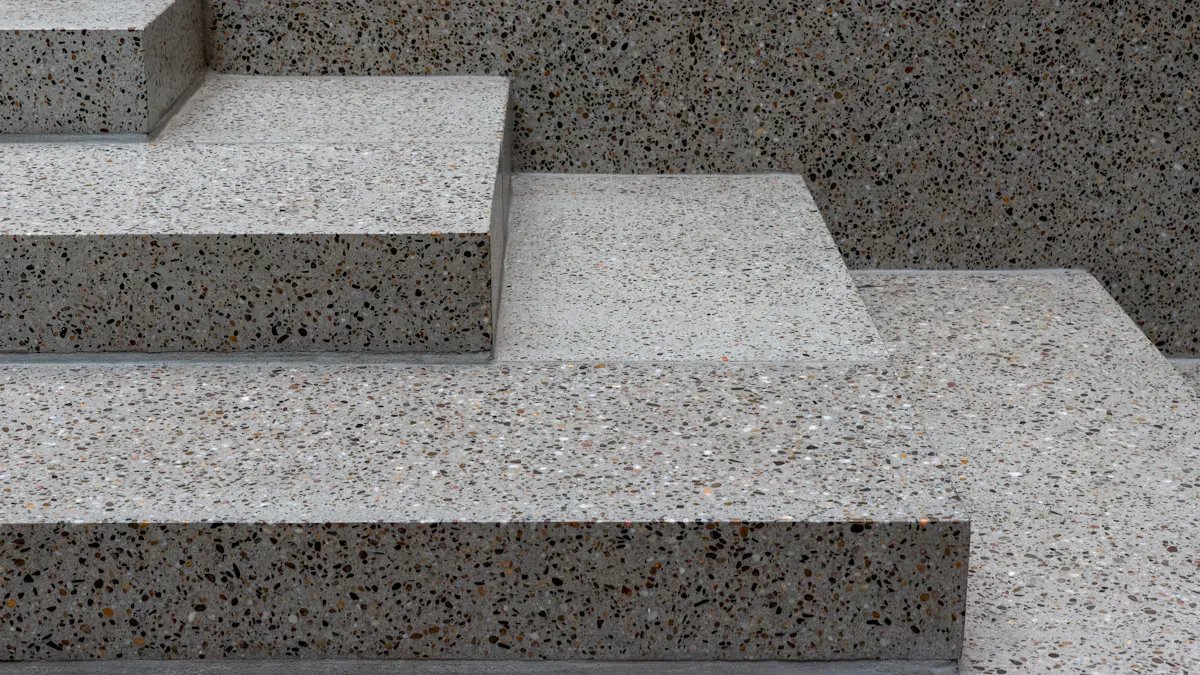
Qualified Installers
You need skilled installers for terrazzo. These experts know how to handle the materials and tools. They follow safety rules and use the right methods. A qualified installer checks the base before starting. They look for cracks, moisture, or uneven spots. You should always ask for proof of training or certification. Good installers have experience with commercial flooring projects. They can show you photos of past terrazzo flooring jobs. You can trust them to finish the work on time and with high quality.
Tip: Ask your installer if they belong to groups like the National Terrazzo & Mosaic Association. This shows they follow industry standards.
Installation Process
The installation process for terrazzo has several steps. First, the installer prepares the base. They clean it and fix any problems. Next, they set divider strips to mark patterns or control joints. These strips help prevent cracks. Then, the installer mixes the terrazzo and pours it onto the floor. They spread the mix evenly and let it cure. After curing, they grind the surface to make it smooth. The installer polishes the terrazzo to bring out the shine. Finally, they seal the floor to protect it from stains and water.
Here is a simple list of the installation process:
- Prepare the base and fix issues.
- Place divider strips for design and control.
- Mix and pour the terrazzo.
- Let the terrazzo cure.
- Grind and polish the surface.
- Seal the floor for protection.
You should not walk on the new flooring until the installer says it is safe. The whole process can take days or weeks, depending on the size of your space.
Maintenance Tips
You can keep your terrazzo looking new with easy care. Sweep or dust mop the floor every day. This removes dirt and stops scratches. Clean spills right away to prevent stains. Use a damp mop with a neutral pH cleaner. Do not use harsh chemicals or acid-based products. These can damage the terrazzo and make it dull. Place mats at doors to catch dirt and grit. Polish the floor as needed to keep it shiny. Reseal the terrazzo every few years for extra protection.
Note: Regular care helps your terrazzo flooring last longer and look better.
If you follow these tips, your terrazzo floor will stay strong and beautiful for many years. You will also save money on repairs and replacements.
GuiYi Support
You want your commercial flooring project to succeed. GuiYi gives you strong support at every step. Their team helps you plan, install, and care for your terrazzo. You get expert advice that makes your job easier and your results better.
GuiYi starts by helping you choose the right terrazzo for your space. You can use their design tools to see how different colors and patterns will look. If you have questions, GuiYi experts answer them quickly. They help you pick the best materials for your needs.
When you begin your project, GuiYi connects you with skilled installers. These installers know how to handle terrazzo and follow the best methods. You can trust them to prepare your base, set divider strips, and pour the mix the right way. GuiYi checks that every step meets high standards.
After installation, GuiYi does not leave you alone. You get clear care guides for your new flooring. These guides show you how to clean and protect your terrazzo. You learn which cleaners to use and how often to polish the surface. GuiYi also offers tips for fixing small problems before they get worse.
If you need help, GuiYi’s support team is easy to reach. You can call or send a message. They answer questions about cleaning, repairs, or upgrades. You can also order extra materials or ask for new design ideas.
Here is what GuiYi support includes:
- Design help for picking colors, patterns, and aggregates
- Advice on choosing the right terrazzo for your flooring project
- Access to skilled installers who know terrazzo well
- Step-by-step guides for care and cleaning
- Fast answers to your questions by phone or online
- Help with repairs, upgrades, or new projects
Tip: Use GuiYi’s support to avoid mistakes and keep your flooring looking great for years.
You get peace of mind when you work with GuiYi. Their support helps you save time and money. Your terrazzo stays strong, safe, and beautiful. GuiYi makes sure your flooring project is a success from start to finish.
Cost and Value
Initial vs. Lifecycle Cost
When you choose terrazzo, you might notice the price is higher at first. The initial cost covers materials, skilled labor, and installation. Many people compare this to cheaper floors like vinyl or carpet. However, you should look beyond the first bill. Terrazzo lasts much longer than most other floors. You do not need to replace it every few years. You also spend less on repairs and cleaning. Over time, terrazzo saves you money.
Here is a table to help you see the difference:
| Flooring Type | Initial Cost | Years Before Replacement | Maintenance Cost | Total Cost Over 20 Years |
|---|---|---|---|---|
| Terrazzo | High | 40+ | Low | Low |
| Vinyl | Low | 7-10 | Medium | High |
| Carpet | Low | 5-8 | High | High |
Note: Terrazzo may cost more at first, but you pay less over the life of your floor.
ROI for Commercial Spaces
You want your investment to pay off. Terrazzo gives you a strong return on investment (ROI) in commercial spaces. You get a floor that looks good for decades. Customers and visitors notice clean, stylish floors. This can help your business stand out. You also save money because terrazzo needs little care. You do not have to close your business often for repairs or new flooring. This means you keep making money without big interruptions.
Here are some ways terrazzo boosts your ROI:
- Long lifespan reduces replacement costs.
- Easy cleaning saves on labor and supplies.
- Durable surface lowers repair bills.
- Attractive floors can increase property value.
Tip: A terrazzo floor can make your commercial property more appealing to buyers or renters.
GuiYi Value
GuiYi helps you get the most value from your terrazzo project. Their experts guide you through every step. You can use their tools to plan your budget and design. GuiYi connects you with skilled installers who do the job right the first time. You get support for care and repairs, so your floor stays in top shape.
With GuiYi, you avoid costly mistakes. You get clear advice on which terrazzo fits your needs. Their team helps you choose materials that last and look great. GuiYi’s support means you protect your investment and enjoy your terrazzo for many years.
Callout: GuiYi’s guidance helps you save money and get the best results for your commercial flooring project.
Next Steps for Choosing Terrazzo
Expert Consultation
You can start your terrazzo project by talking with an expert. An expert helps you understand your options. You get answers to your questions about design, cost, and installation. GuiYi offers free consultations for commercial spaces. You can share your ideas and needs with their team. They listen to your goals and suggest the best solutions. You learn about the benefits and limits of each terrazzo type. Experts also help you avoid mistakes that can cost money later.
Tip: Write down your main needs before your meeting. This helps you get clear advice and saves time.
Requesting Samples
You should always ask for samples before you make a final choice. Samples let you see and touch the terrazzo. You can check the color, texture, and finish in your own space. This step helps you pick the right terrazzo floor for your design. GuiYi can send you samples of different terrazzo types and colors. You can compare them side by side. You see how the floor looks in your lighting and with your furniture.
Here is a simple way to use samples:
- Place the samples in the area where you want the floor.
- Look at them during the day and at night.
- Test how easy they are to clean.
- Ask others for their opinion.
Samples help you feel sure about your choice. You know what to expect before the floor gets installed.
Final Decision
You make your final decision after you talk to experts and review samples. You should think about your budget, design, and how the floor will be used. Make a list of your top needs. Check which terrazzo type meets those needs. You can use a table to compare your options:
| Need | Option 1 | Option 2 | Option 3 |
|---|---|---|---|
| Durability | Yes | Yes | No |
| Fast Installation | No | Yes | Yes |
| Custom Design | Yes | No | Yes |
Pick the right terrazzo floor that matches your list. You can ask GuiYi for help if you feel unsure. When you follow these steps, you get a floor that looks good and lasts a long time.
Remember: Taking your time now helps you avoid problems later. The right terrazzo floor will serve your business for many years.
You can find the right terrazzo floor by following a clear process. First, review your space needs and compare options. Next, match the right terrazzo floor to your design and budget. Always ask for expert advice to avoid mistakes. GuiYi can help you choose the right terrazzo floor for your business. Request samples, schedule a consultation, or start planning your project today.
Choosing the right terrazzo floor gives your space beauty and value for years.
FAQ
What is terrazzo flooring made of?
You get terrazzo by mixing chips of marble, glass, or stone with a binder. The binder can be cement or epoxy. Installers pour and polish the mix to create a smooth, strong surface.
How long does terrazzo flooring last?
You can expect terrazzo floors to last over 40 years. Some floors last more than 100 years with proper care. You get a durable surface that stands up to heavy use.
Is terrazzo flooring slippery?
You can choose a finish that improves slip resistance. Polished terrazzo can be slippery when wet. Ask your installer for a slip-resistant finish if safety is important.
Can you use terrazzo outdoors?
You can use cement-based terrazzo outside. Epoxy terrazzo is only for indoor spaces. Always check with your supplier to pick the right type for your project.
How do you clean terrazzo floors?
You should sweep or dust mop daily. Use a damp mop with a neutral pH cleaner. Avoid harsh chemicals. Quick cleaning keeps your floor looking new.
Does terrazzo help with green building goals?
You can choose terrazzo with recycled materials and low VOCs. This helps you meet LEED or WELL standards. Terrazzo lasts long, so you use fewer resources over time.
How much does terrazzo cost compared to other floors?
You pay more at first for terrazzo. Over time, you save money because it lasts longer and needs less care. The total cost is often lower than carpet or vinyl after 20 years.
Can you repair terrazzo if it cracks?
You can fix small cracks with patching. For bigger problems, call a professional. Regular care and proper installation help prevent cracks.