
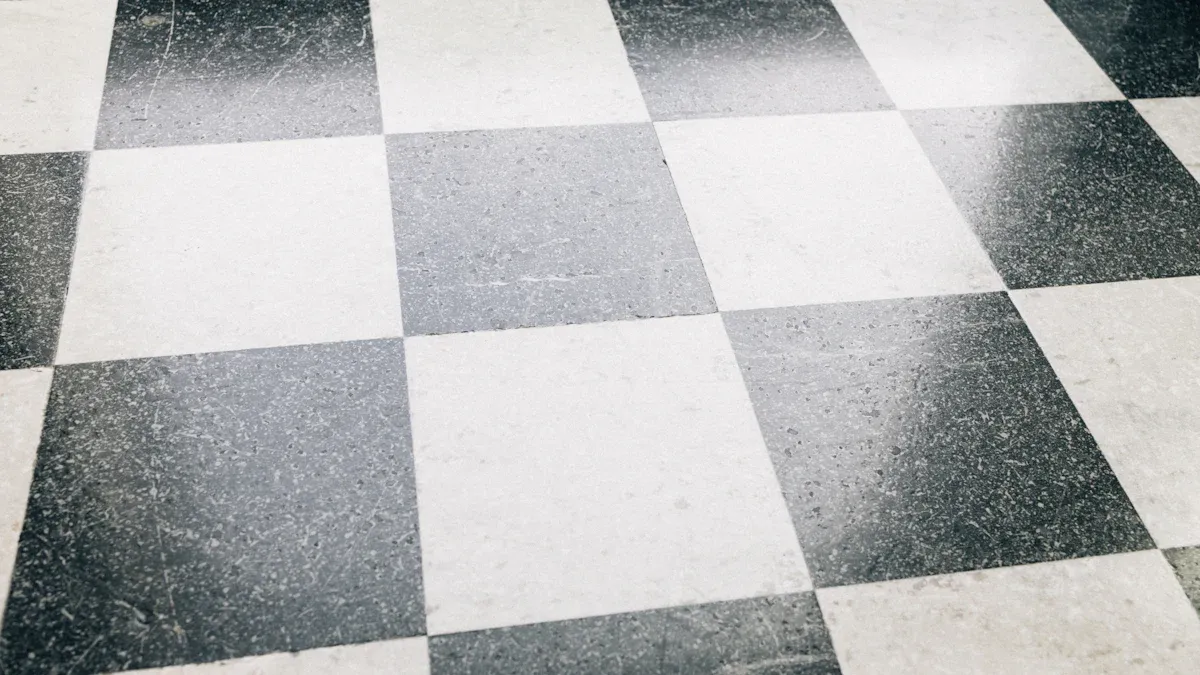
You might find terrazzo flooring a better fit if you want a stylish, durable surface that stands up to heavy foot traffic. Tile flooring could be your pick when you need more budget options or quick installation. Main factors like cost, durability, maintenance, and design often shape your decision. Terrazzo has made a big comeback in modern design, now appearing in over 45% of trendy interiors and more than half of commercial projects. G·ONE helps you choose the right floor for your needs. Think about what matters most to you as you read on.
Key Takeaways
- Terrazzo flooring looks special and stylish, but it costs more at first than tile.
- Tile flooring is cheaper and can be put in fast, so it is good if you do not want to spend a lot.
- Terrazzo does not need much care as time goes on, so you save money on cleaning and fixing it later.
- Pick terrazzo for places where many people walk because it is very strong and hard to break.
- Tile comes in many colors and designs, so you can find one that fits your style.
- Putting in terrazzo is hard and needs experts, but you can often put in tile by yourself.
- Both types of flooring can be good for the planet, but terrazzo uses more recycled stuff, so it is better for the earth.
- Think about your room and what you need; terrazzo is good if you want it to last a long time, but tile is great if you want to change things fast.
Terrazzo Floor vs Tile: Cost
Upfront Cost Comparison
Terrazzo Floor Pricing
When you look at the price of a terrazzo floor, you might notice it sits at the higher end. In 2026, the starting cost for terrazzo flooring in most cities is much higher than basic ceramic or porcelain options. You often see terrazzo starting at several times the price of ceramic tile. This is because terrazzo uses a mix of marble, glass, or stone chips set in cement or resin, which takes more skill and time to install. The upfront investment can feel steep, but many people choose terrazzo for its unique look and long-term benefits.
Tile Pricing
If you want to save money at the start, ceramic tile is a popular choice. Prices for ceramic tiles can start as low as $1.00 per square foot. Porcelain tiles cost a bit more, but they still stay below the price of terrazzo. You can find many styles and colors, so you get flexibility without breaking your budget. Tile installation is also faster and less expensive, which helps keep your project affordable.
Tip: If you have a tight budget, starting with ceramic tile can help you cover more floor space for less money.
Long-Term Value
Maintenance Costs
You might think tile is cheaper, but the story changes over time. Terrazzo flooring stands out for its low maintenance. The seamless surface means you do not have to worry about grout lines collecting dirt. You spend less time and money on cleaning. Repairs are rare, and you do not need to replace sections often. In schools and hospitals, terrazzo saves thousands in annual maintenance costs. Tile, on the other hand, may need more frequent repairs or replacements, especially if you use it in high-traffic areas.
Resale Value
A terrazzo floor can boost your property’s value. Buyers often see terrazzo as a premium feature because it lasts for decades and keeps its shine. Tile floors also add value, but they may not have the same wow factor as terrazzo. If you plan to sell your home or building, investing in terrazzo could pay off in the long run.
Budget Tips
You do not have to choose all or nothing. Here are some smart ways to balance style and cost:
- Use terrazzo only in high-traffic areas, like entryways or hallways, to save money.
- Pick simple terrazzo designs to lower labor costs.
- Combine terrazzo with ceramic tile in less visible spaces.
- Source materials locally to cut down on shipping costs and get custom options.
G·ONE can help you find cost-effective solutions for your next floor project. Their experts know how to mix terrazzo and tile for the best value.
When you compare terrazzo vs tile, think about both the upfront price and the long-term savings. Terrazzo costs more at first, but you might spend less over the years. Tiles offer a quick, affordable fix, but may need more care and repairs. Your best choice depends on your budget, your space, and how long you want your floor to last.
Terrazzo Flooring Durability & Maintenance
Durability in High-Traffic Areas
Resistance to Impact
You want a floor that can handle a lot. Terrazzo is stronger than most other floors. It does not crack when heavy things fall on it. Epoxy terrazzo has a compressive strength of 14,000 PSI. Cementitious terrazzo has 4,000 PSI. This means terrazzo can take carts, strollers, and dropped tools. It is a top choice for busy places like convention centers.
| Flooring Type | Compressive Strength (PSI) |
|---|---|
| Epoxy Terrazzo | 14,000 |
| Cementitious Terrazzo | 4,000 |
Terrazzo flooring can get a Mohs hardness rating up to Grade 5. This helps stop scratches from shoes, wheels, and furniture. That is why you see terrazzo in airports and malls.
Longevity
Terrazzo lasts much longer than tile. It has up to 60% natural quartz-based aggregates. These materials help terrazzo stay shiny for many years. Ceramic tiles can chip or crack if you drop something heavy. In-situ terrazzo stays strong and smooth for a long time.
| Feature | Ceramic Tiles | In-Situ Terrazzo |
|---|---|---|
| Durability | Good (can chip or crack under impact) | Excellent (monolithic and highly resistant) |
Maintenance Needs
Cleaning
Cleaning terrazzo is easy. You just sweep or dust mop and use a damp mop with a neutral pH cleaner. You do not need to scrub grout lines like with tile. In hospitals and malls, staff clean terrazzo every day with simple tools. Deep cleaning happens once a week or every two weeks. Terrazzo’s smooth surface means dirt cannot hide.
Repairs
You do not need repairs often with terrazzo. If you do, a professional usually fixes it. Tile repairs can be done yourself, but the colors might not match. Sometimes the surface is not even. Terrazzo keeps looking good for years, so you do not worry about patchy spots.
| Maintenance Task | Terrazzo Flooring | Tile Flooring (General) |
|---|---|---|
| Daily Cleaning | Sweep or dust mop, damp mop with neutral cleaner | Sweep and mop with appropriate cleaner |
| Deep Cleaning Frequency | Weekly or biweekly, daily for busy spaces | Often weekly or biweekly |
| Polishing Frequency | Every 1-2 months for malls | Every 3-6 months |
| Sealing Frequency | Every 6-12 months for high traffic | Every 1-3 years |
| Repair & Restoration | Professional restoration may be needed | DIY repairs often possible |
Suitability for Public vs Residential Use
You see terrazzo in airports, hospitals, and malls. It works well in busy places because it is strong and easy to clean. At home, terrazzo is good for entryways, kitchens, and hallways. If you want a floor that lasts, terrazzo is a great choice. Ceramic and porcelain tiles are good for homes, but terrazzo is stronger in busy areas.
Tip: If you want a floor that looks good and lasts for many years, terrazzo is a smart pick for both public and home spaces.
Terrazzo vs Tile: Design & Aesthetics
Style Options
Terrazzo Customization
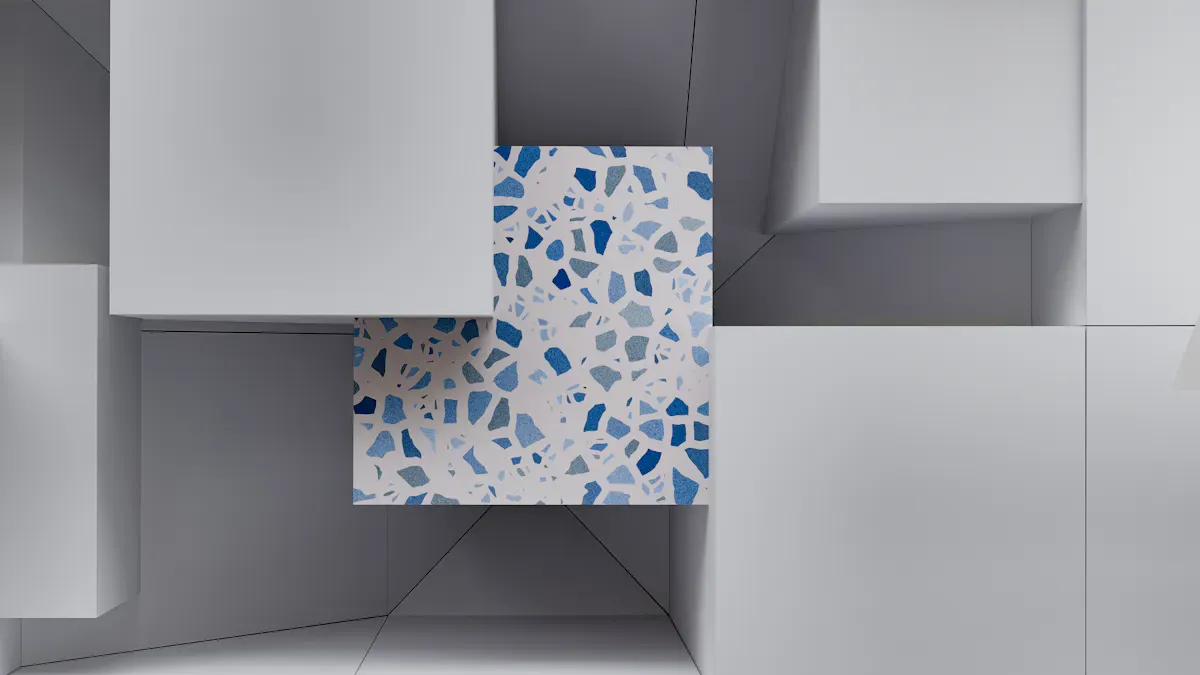
Terrazzo is popular today. Designers like how you can change terrazzo to fit many styles. You choose the chip size, color, and pattern. For a simple look, pick small chips and a plain background. If you want something bold, use big chips and a dark base. Terrazzo also works for Mediterranean styles with warm colors and earthy shades. You can ask for special color mixes or Venetian slabs with large marble pieces. Terrazzo is not just for floors. It can be used on walls, counters, and stairs.
- Minimal and modern: Small chips, plain backgrounds.
- Modern: Mixed chip sizes, bright color touches.
- Mediterranean: Uneven patterns, warm earthy colors.
- Creative: Big chips, bold backgrounds.
- Venetian: Large marble slabs, strong effect.
- Custom colors: Special blends for your space.
Tile Variety
Tiles give you many choices. Ceramic and porcelain tiles come in almost any color or pattern. For a classic look, pick subway tiles or simple squares. For a modern style, try shapes like hexagons or big tiles. Tiles can be shiny for a fancy look or matte for a cool feel. You can mix tiles for backsplashes, floors, or walls. Ceramic tiles are good for bathrooms and kitchens. Porcelain tiles are strong for entryways and living rooms.
Tip: Tiles make it easy to change styles fast. You can switch patterns or colors without much work.
Modern Trends for 2026
Designers say terrazzo is trendy again. You see it in stylish homes, hotels, and restaurants. Terrazzo brings old-school charm with bright patterns and colors. It also looks sleek and modern with soft tones. People like terrazzo because it is good for the planet and lasts long. Terrazzo can connect inside and outside spaces, making rooms feel bigger and brighter. Designers use chip size, color, and patterns to match different rooms. Terrazzo fits simple, modern, or creative styles.
Tiles follow these trends too. Big ceramic tiles are popular for open rooms. Matte finishes and soft colors make spaces calm and modern. You see shapes and mosaics in bathrooms and kitchens. Porcelain tiles are tough and stylish for busy places.
Best Spaces for Each
You want the best floor for your room. Terrazzo is great for busy spots like hotel lobbies, stairs, and stores. It also looks good in kitchens and bathrooms with light colors. In small rooms, plain terrazzo makes the space feel open. Bold terrazzo patterns work well in big rooms for a strong look.
Tiles fit almost anywhere. Big ceramic tiles look nice in living rooms and kitchens. Small tiles add style to bathrooms and backsplashes. Shiny tiles look fancy, while matte tiles feel modern. Porcelain tiles are strong for entryways and busy rooms.
| Space | Terrazzo Floor Recommendation | Tile Recommendation |
|---|---|---|
| Bathroom | Simple patterns, light colors | Small ceramic tiles, mosaic styles |
| Kitchen | Light backgrounds, main surfaces | Big ceramic tiles, backsplashes |
| Commercial Spaces | Bold patterns, strong floors | Porcelain tiles, easy cleaning |
Note: Choosing terrazzo or tile depends on your style and needs. Terrazzo lets you customize and lasts a long time. Tiles are easy to change and fit any budget.
Terrazzo vs Tiles: Installation
Installation Process
Pour-in Terrazzo Steps
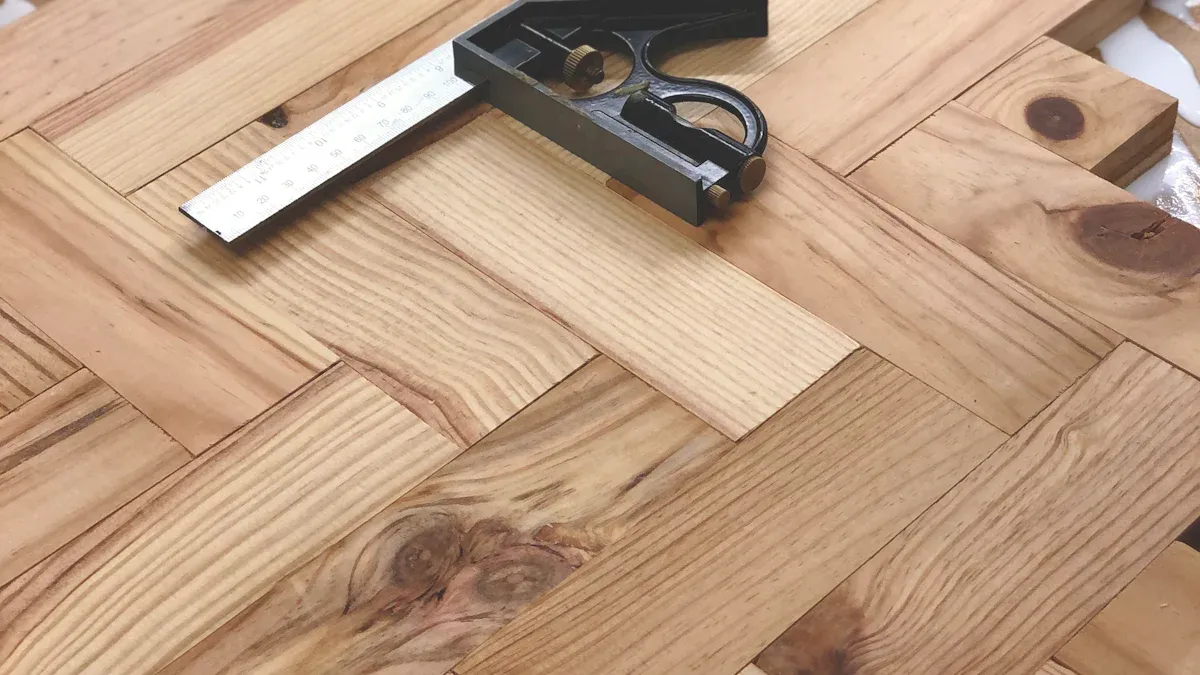
You might wonder why terrazzo installation takes more time and skill. The process has many steps, and each one matters for the final look and durability of your floor. Here’s a quick look at what happens when you choose terrazzo:
| Step | Description |
|---|---|
| Floor preparation | Workers check and fix the base so it meets standards. |
| Membranes | They add layers to stop moisture and cracks. |
| Setting bed | A sand and cement mix goes over the base. |
| Placing the divider strips | Strips go down to create patterns and control joints. |
| Mixing the raw materials | Aggregates get blended to match your design. |
| Placing the terrazzo | The mix gets troweled onto the floor. |
| Rough grind | The first grind exposes the chips. |
| Grouting | Gaps and holes get filled. |
| Grinding | More grinding with finer tools makes the surface smooth. |
| Polish | The floor gets shiny and bright. |
| Sealing | A sealer protects the finish. |
You need skilled artisans for terrazzo. Each step must be perfect. If you want a custom look, this method gives you endless options.
Tile Installation Steps
Tile installation is much simpler. Many homeowners try it themselves, especially with ceramic tiles. Here’s what you can expect:
- Prepare the subfloor and make sure it’s clean and level.
- Lay out the tiles to plan the pattern.
- Spread thin-set mortar on the floor.
- Place the tiles and use spacers for even gaps.
- Let the mortar cure for at least 48 hours.
- Apply grout between the tiles.
- Clean off extra grout and let it cure for another 48 hours.
- Seal the grout if needed.
You can see that tile installation has fewer steps. You don’t need special tools or years of training.
Timeline & Disruption
Terrazzo installation takes longer than tile. You need to plan for careful prep, multiple pours, and time for curing, grinding, and polishing. This means your space stays out of use for a while. You might hear noise from grinders and see dust during the process.
Tile flooring usually takes less time. After you lay the ceramic tiles and let the mortar and grout cure, you can walk on your new floor in a few days. There’s less mess and less noise. If you want less disruption, tile is a good choice.
Tip: If you need your space ready fast, tile installation is the way to go.
Skill Level Required
You need a pro for terrazzo. The process is complex and calls for trained artisans. They handle everything from mixing materials to polishing the final surface. If you want a flawless terrazzo floor, don’t try to do it yourself.
Tile installation is easier. Many people install ceramic tiles on their own with a little research and patience. You don’t need special skills, just attention to detail. If you want to save money and enjoy a DIY project, tile is a smart pick.
When you compare terrazzo vs tiles, think about your timeline, budget, and skill level. Terrazzo gives you a custom, long-lasting finish but needs expert help and more time. Tiles offer a quick, simple solution that you can often handle yourself.
Terrazzo vs Tile: Environmental Impact
Sustainability
Terrazzo Materials
You may ask why terrazzo is good for the planet. Terrazzo uses chips from marble, granite, and recycled glass. These chips are leftovers that would be thrown away. Modern terrazzo can have up to 80% recycled content. This means you help the earth by picking a floor that reuses waste. Terrazzo also has low or zero VOC emissions. This keeps your indoor air clean and safe. Some brands, like TERRAZZCO, have GREENGUARD certification for air quality.
Here’s how terrazzo meets green standards:
| Certification Aspect | Details |
|---|---|
| Recycled Materials | Terrazzo uses recycled glass and marble chips. This helps earn LEED credits. |
| Zero VOCs & Indoor Air Quality | Terrazzo can earn LEED credits for low or zero VOCs. This makes indoor air better. |
| GREENGUARD Certification | TERRAZZCO products are GREENGUARD certified. This means they meet strict air quality rules. |
Note: Terrazzo lasts a long time. You do not need to replace it often. This cuts down on waste.
Tile Materials
Tiles can be eco-friendly too, but usually have less recycled content than terrazzo. Most tiles use clay, sand, and other natural materials. Some makers add recycled glass or porcelain, but it is not common. You can find tiles with green certifications, but you must check the label. Tile floors last a long time, but may need replacing sooner than terrazzo.
Here’s a simple comparison:
| Factor | Terrazzo Flooring | Tile Flooring |
|---|---|---|
| Recycled Content | Made from recycled materials | Less recycled content |
| Lifespan | Lasts longer, reduces waste | Needs more replacements |
| Environmental Impact | Lower overall impact | More landfill waste |
Energy Use & Disposal
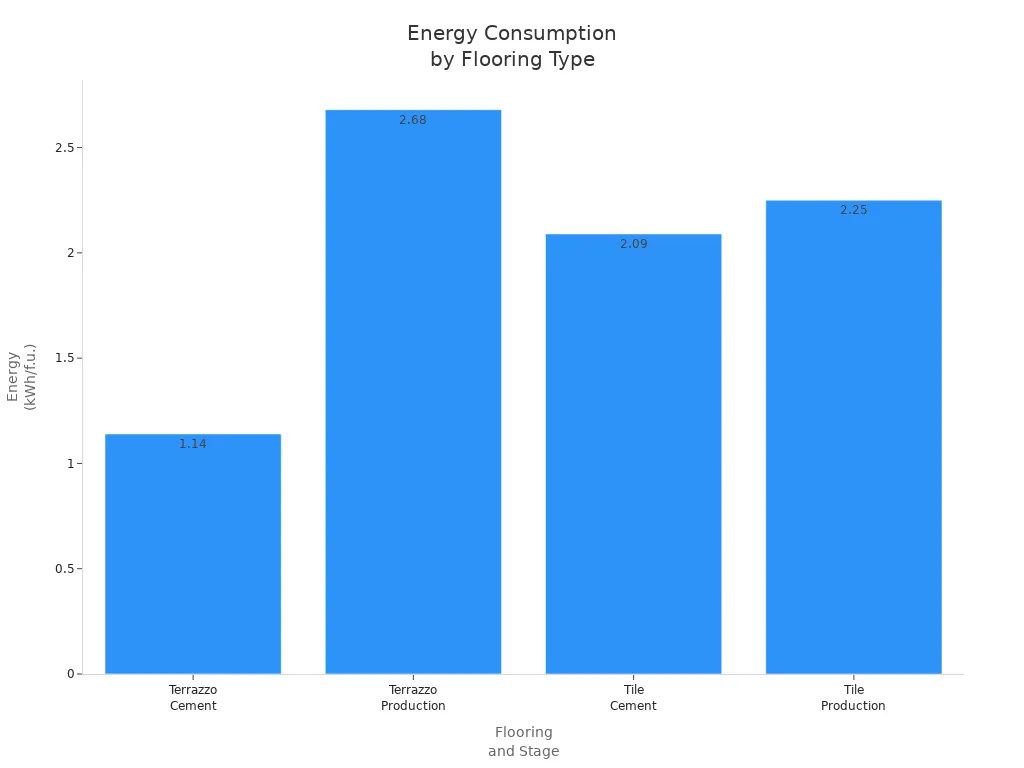
You may wonder about the energy used to make and throw away these floors. Both terrazzo and tile use cement. Terrazzo often uses less energy during production. Terrazzo lasts longer, so you do not replace it as often. This saves resources over time.
| Flooring Type | Energy Consumption (kWh/f.u.) | End-of-Life (Landfill) (kg) |
|---|---|---|
| Terrazzo (Cement) | 1.14 (Cement Production) | 57.5 |
| Terrazzo (Production) | 2.68 | |
| Tile | 2.09 (Cement Production) | 57.5 |
| Tile (Production) | 2.25 |
When you throw away terrazzo or tile, both have similar landfill weights. But terrazzo lasts longer, so you toss out less over time. This means less waste in landfills and a smaller effect on the planet.
Tip: If you want a floor that is good for the earth and lasts for many years, terrazzo is a smart choice. Tiles are still a good option if you pick ones with recycled content and green labels.
Terrazzo vs Tile: Quick Comparison Table
Side-by-Side Summary
You want to see the differences at a glance? Here’s a handy table that compares terrazzo and tile flooring side by side. This makes it easier for you to decide which floor fits your needs.
| Feature | Terrazzo Flooring | Tile Flooring |
|---|---|---|
| Upfront Cost | Higher initial price | Lower price, budget-friendly |
| Durability | Extremely tough, resists impact | Good, but can chip or crack |
| Maintenance | Easy cleaning, rare repairs | Needs grout cleaning, repairs easier |
| Design Options | Custom colors, patterns, chip sizes | Wide variety of shapes and colors |
| Installation | Complex, needs skilled pros | Simple, often DIY-friendly |
| Timeline | Longer, more disruption | Quick, less mess |
| Eco-Friendliness | Uses recycled materials, lasts decades | Some eco options, shorter lifespan |
| Best Spaces | High-traffic, commercial, stylish homes | Homes, bathrooms, kitchens |
| Resale Value | Premium, boosts property value | Good, but less “wow” factor |
Tip: If you want a floor that stands out and lasts for years, terrazzo is a smart pick. If you need something fast and affordable, tile flooring works well.
Let’s break it down even more. You might like terrazzo if you want a custom look and a floor that can handle anything. You can choose colors, patterns, and even the size of the chips. Terrazzo fits modern spaces and busy places like malls or hospitals. You won’t worry much about repairs or deep cleaning.
On the other hand, tiles give you flexibility. You can find almost any color or shape. Tile installation is simple, and you can do it yourself if you want. You can use tiles in bathrooms, kitchens, or anywhere you need a quick update. If you drop something heavy, you might see a chip, but repairs are easy.
Here’s a quick checklist to help you decide:
- Want a unique design? Go for terrazzo.
- Need a fast project? Choose tile.
- Looking for long-term savings? Terrazzo wins.
- Want to do it yourself? Tile is easier.
- Need a floor for a busy space? Terrazzo handles heavy traffic.
Note: Both floors have their strengths. You just need to match your choice to your priorities.
You can use this table and checklist to compare your options. Think about your budget, style, and how much work you want to do. If you still feel unsure, you can ask G·ONE for expert advice. They help you find the best floor for your space.
Terrazzo vs Tile: Best Uses & Recommendations
For Budget Buyers
You want a nice floor but do not want to spend a lot. Many people look for floors that cost less and still look good. Tile is a smart choice for people who want to save money. Ceramic tile costs less and comes in many colors and styles. You can put in ceramic tile yourself and save even more. Tile works well in kitchens, bathrooms, and entryways if you need something fast and cheap.
You can also look at other floors if you want to save more money. Here are some floors experts suggest for people on a budget:
- Polished concrete: This is a good deal if you already have a concrete floor. It looks modern and lasts a long time.
- Luxury Vinyl Tile (LVT): LVT is affordable and comes in many styles. It is strong and you can pick designs that look like wood, stone, or tile.
Terrazzo is not the first choice for people who want to save money. It costs more at the start and needs skilled workers to install. If you want terrazzo, use it in small spots or mix it with tile to spend less.
Tip: If your budget is tight, start with tile or LVT. You can get terrazzo later if you want to upgrade.
For Durability & Longevity
You want a floor that lasts a long time and can handle lots of people. Terrazzo is known for being strong and lasting many years. You see terrazzo in airports, hospitals, and malls because it can handle heavy use. The smooth surface does not crack or chip easily. You do not need to fix it often. Terrazzo can stay shiny for decades.
Tile is strong too, but it can crack or chip if you drop something heavy. Porcelain tile is tougher than ceramic tile and works well in busy places. You can replace one tile if it breaks, but the color might not match. If you need a floor for busy spots, terrazzo is the best choice. It saves money over time because you do not need to replace it much.
Here is a simple table to compare:
| Flooring Material | Durability | Longevity | Best Use |
|---|---|---|---|
| Terrazzo | Excellent | Decades | Busy places, stores, stylish homes |
| Porcelain Tile | Very Good | 10-20 years | Homes, entryways, kitchens |
| Ceramic Tile | Good | 10-15 years | Bathrooms, kitchens, quiet areas |
Note: If you want a floor that stays strong and looks good, terrazzo is your best choice.
For Design Flexibility
You want your floor to match your style and make your space special. Terrazzo gives you more ways to change the look than tile. You can pick from many colors, chip sizes, and patterns. Designers like terrazzo because they can make bold or simple looks. You can make terrazzo fit any project, from a hallway to an art room.
Terrazzo lets you use different chips, colors, and patterns. You can make cool designs and shapes. This makes terrazzo great for creative spaces. Designers say terrazzo gives you lots of ways to make a unique floor. You can make your floor look fancy or simple.
Tiles also give you many choices. You can find almost any color or shape. You can mix tiles for walls, floors, or backsplashes. Tile is easy to change if you want a new style. But terrazzo gives you more ways to make custom designs and creative shapes.
Tip: If you want a floor that is unique and matches your ideas, terrazzo is the best pick.
For Easy Installation
You might want a floor that you can put in quickly and without much trouble. If you like doing projects yourself, you probably want something simple. When you look at terrazzo vs tile, you will see a big difference in how easy they are to install.
- Terrazzo installation is very tricky. You need skilled workers who know how to mix, pour, and polish the floor. It is not a job you can do on your own. Most people hire experts for terrazzo because it takes special tools and lots of practice.
- Tile installation is much easier for homeowners. You can find many guides and videos that show you how to lay tiles. Many people do this as a weekend project. You just need to prepare the floor, spread the glue, and set the tiles in place. You can even cut tiles with simple tools from the hardware store.
If you want to save time and money, tile is the better choice for easy installation. You can finish a small room in a few days. You do not need to wait for special workers or buy expensive tools. Terrazzo takes longer and costs more to install, so it is not the best pick if you want something fast and simple.
Tip: If you want a floor you can install yourself, go with tile. If you want a custom look and do not mind hiring pros, terrazzo is a good option.
G·ONE Expert Advice
You might still feel unsure about which floor to pick. G·ONE experts help people choose the right floor every day. They look at safety, style, and how you will use the space. Here is a quick table to show what G·ONE suggests when you compare terrazzo and tiles:
| Consideration | Terrazzo Flooring | Tile Flooring |
|---|---|---|
| Slip Resistance | Important to consult professionals | Also requires professional advice |
| Safety Assessment | Essential to assess personally | Professional consultation recommended |
You should always think about safety. Some floors can be slippery when wet. G·ONE says you should talk to a pro before you decide. They can help you check if terrazzo or tile is safe for your family or customers.
If you want a floor that is easy to install, tile is the best choice. If you want a floor that lasts a long time and looks special, terrazzo is a smart pick. G·ONE can help you match your needs with the right floor. They know how to balance style, safety, and cost.
Note: Always ask a flooring expert if you have questions about safety or installation. The right advice can help you avoid problems later.
You have learned about terrazzo floor and tile flooring. Terrazzo flooring is strong and lasts a long time. It is easy to clean and uses waste in a good way. This makes terrazzo great for busy places. Tile flooring is faster to put in and costs less. You can pick from many tile designs. If you want a special terrazzo tile or need to know the price, think about your money, what you want, and your style. For more help, look at G·ONE’s guides or ask a flooring expert.
FAQ
What makes terrazzo flooring so durable?
You get a floor made from marble, glass, or stone chips set in cement or resin. This mix creates a tough surface that resists cracks and chips. Terrazzo can handle heavy foot traffic for decades.
Can I install tile flooring myself?
Yes, you can! Many homeowners lay ceramic or porcelain tiles as a DIY project. You just need basic tools, patience, and a good guide. Tile installation is much easier than terrazzo.
Is terrazzo slippery when wet?
Terrazzo can feel slippery, especially if polished. You can ask your installer to add a non-slip finish. Always check with a flooring expert for safety tips in wet areas.
How do I clean terrazzo and tile floors?
You only need a broom and a damp mop for terrazzo. Use a neutral cleaner. For tile, sweep and mop regularly. Pay extra attention to grout lines, since dirt can build up there.
Which flooring is better for kitchens and bathrooms?
Tile works well in kitchens and bathrooms because it resists water. Terrazzo also fits these spaces if sealed properly. Both options look great and last a long time.
Does terrazzo cost more than tile?
Yes, terrazzo usually costs more upfront. You pay for skilled installation and custom designs. Over time, terrazzo can save you money because it needs less repair and lasts longer.
Can I use terrazzo or tile outdoors?
You can use both, but you need to pick the right type. Outdoor terrazzo must resist weather and moisture. Porcelain tiles work well outside because they handle temperature changes.
Tip: Always ask your installer about outdoor options for your climate.