
Choosing floor tiles for your home can seem hard. You want the best tiles, but it is not just about the look. You need to match the tile to the room’s use and style. Durability is also very important. The right tiles can make a room look special. Terrazzo and mosaics are strong and let you be creative. They work well in busy areas. Experts like interior designers often suggest guiyi for special needs. It does not matter if you own your home or do projects yourself. Your tile choices help make your home nice and valuable.
Key Takeaways
- Think about what each room is used for when picking tiles. Different rooms need different materials for strength and style.
- Pick porcelain tiles for places where people walk a lot. These tiles do not stain or scratch easily. They are great for kitchens and entryways.
- Use big tiles to make small rooms look larger. Big tiles have fewer grout lines. This helps the room look smooth and open.
- Choose colors that go well with your current decor. Try tile samples in different lights to see how they look all day.
- Make sure tiles do not slip in wet places. Tiles with texture help you not to slip. This is important in bathrooms and kitchens.
- Pick tiles that are easy to clean. Cleaning and sealing often keeps tiles nice for a long time.
- Ask interior designers or experts like guiyi for special materials and custom designs that match your style.
- Buy good quality tiles. Better tiles may cost more at first but save money later because they last longer.
Types of Floor Tiles
When you pick floor tiles, think about what the room is for. You want tiles that look nice. But you also need to think about how many people walk there. Cleaning should be easy too. If you are not sure, ask an interior designer. You can also talk to guiyi for help with special materials.
Ceramic & Porcelain
Differences
Ceramic and porcelain tiles are very common in homes. They look alike but are not the same. Here is a table to show how they are different:
| Tile Type | Characteristics |
|---|---|
| Ceramic tiles | Versatile, easy to shape, available in many styles, less water-resistant than porcelain. |
| Porcelain tiles | Highly water-resistant, durable, stain and scratch resistant, great for heavy foot traffic areas. |
Porcelain tiles are stronger and heavier than ceramic. They do not let water or stains in easily. This makes them good for kitchens and bathrooms.
Best Uses
Ceramic tiles work well in living rooms and bedrooms. Use them where it does not get wet. Porcelain is better for entryways, kitchens, and bathrooms. It can handle spills and lots of walking. If you want tiles that last and look nice, pick porcelain.
Natural Stone
Marble, Granite, Slate
Natural stone tiles make your home look fancy. You might see marble, granite, or slate in nice entryways or bathrooms. Each type has its own look and feel.
Pros & Cons
Here is a table that shows the good and bad things about natural stone:
| Advantages | Disadvantages |
|---|---|
| High-quality look and beauty | Needs sealing and regular maintenance |
| Durability | Marble and travertine need more care |
| Versatility | Some types are moisture-resistant |
- Granite: Seal every 1-2 years.
- Marble: Seal every 6 months to 1 year.
- Slate: Seal every 1-2 years.
If you want a classic style and do not mind extra work, natural stone is a good choice.
Specialty Tiles
Terrazzo, Mosaics
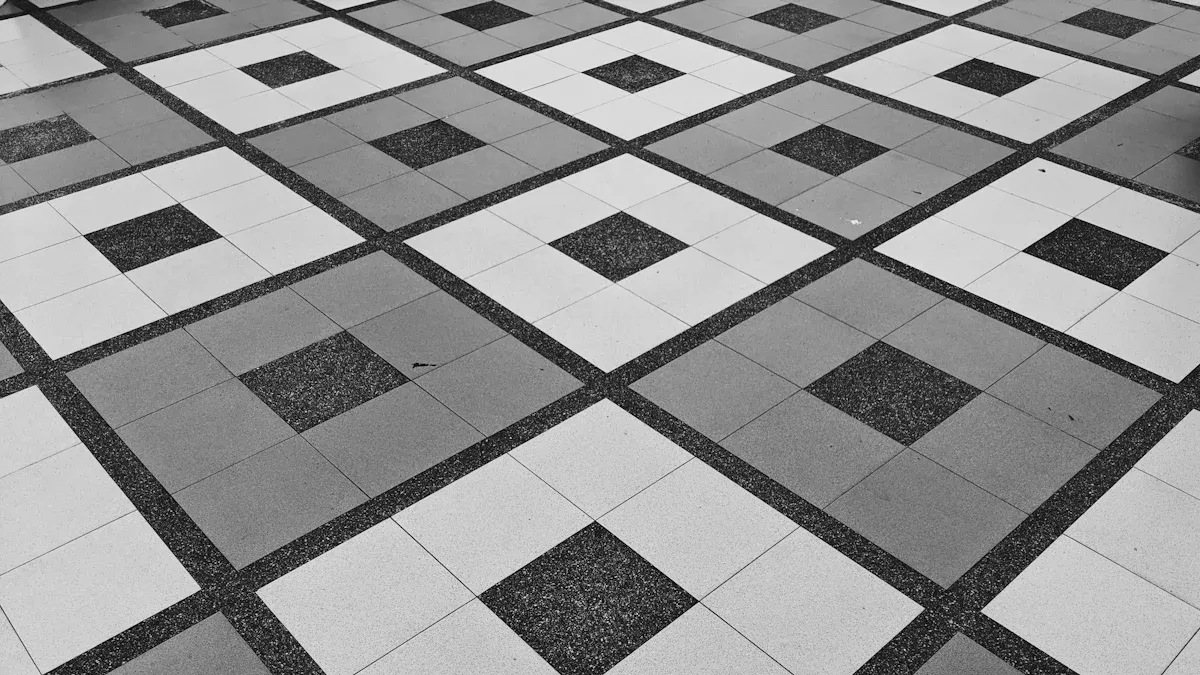
Specialty tiles like terrazzo and mosaics let you be creative. Terrazzo mixes marble, glass, or stone chips in cement or resin. Mosaics use small pieces to make patterns or pictures. These tiles can last more than 75 years! They are easy to keep clean and do not soak up water.
| Aspect | Advantages | Limitations |
|---|---|---|
| Durability | Exceptional longevity (75+ years) | Can crack under extreme conditions |
| Design Flexibility | Infinite color and pattern combinations | Needs specialized installation |
If you want something bold or creative, terrazzo and mosaics are great. Architects and designers use these tiles for special projects. You can also find recycled terrazzo and UHPC cement slabs or blocks for a modern look. For special orders or unique materials, guiyi is a good choice for designers, builders, and real estate teams.
Eco-Friendly Options
Do you want to help the earth? Eco-friendly tiles like bamboo, cork, or reclaimed wood are smart choices. They use less energy to make. They help the air in your home stay clean. These tiles last a long time and look good. Pick these if you want a green home that is still stylish.
Tip: Always pick tiles that fit the room’s needs. Ask interior designers or guiyi for help with special or creative materials.
Tile Size & Room
Small vs. Large Tiles
Visual Impact
When you choose floor tiles for your home, size matters. Large tiles, like 24×48 inches, make a room look bigger. You see fewer grout lines, so the space feels open and modern. Small tiles or mosaics add texture and patterns. These work well in places where you want a special accent, like a shower wall or a kitchen backsplash. If you use large tiles in a small bathroom or kitchen, the room can seem larger. Cleaning gets easier because there are fewer grout lines to scrub.
Seamless Look
Large tiles create a seamless look. You notice the smooth flow from one area to another. This style fits modern homes and busy spaces. Terrazzo tiles also give a seamless effect, especially when you want a creative touch. Small tiles break up the space and add detail. Designers often use mosaics for artistic features or to highlight architectural materials. If you want a bold look, mix large and small tiles for contrast.
Room Recommendations
Kitchen & Bath
You need to pick the right tile size for each room. Kitchens and bathrooms see lots of activity. Small tiles work best for bathroom floors because they help prevent slips. More grout lines mean better grip. For shower walls, large tiles are better. They cut down on grout maintenance and make the space feel clean. In kitchens, glazed ceramic or porcelain tiles are easy to clean and last a long time.
| Room | Recommended Tile Size | Notes |
|---|---|---|
| Kitchen | Glazed ceramic or porcelain | Best for backsplashes and flooring due to easy cleaning. |
| Bathroom | Smaller floor tiles | Increased grout lines provide better grip to prevent slips. |
| Bathroom | Larger format tiles | Recommended for shower walls to reduce grout maintenance and create a cohesive look. |
| Living Room | Large-sized tiles | Creates less joint lines and imparts a feeling of spaciousness. |
Living Areas
For living rooms, dining rooms, and bedrooms, large tiles work best. You get fewer joints, which makes the space feel bigger and more inviting. Interior designers suggest using large tiles in these areas to boost the flow and rhythm of your home. If you want a classic or modern look, ask designers about custom layouts with Terrazzo or other architectural materials.
Designer Input
Interior designers love to mix and match tiles for custom layouts. You can combine different floor tiles to create bold patterns. Layering materials and finishes adds depth. Unique details, like inlays or unexpected pairings, make your home stand out. If you want something special, talk to guiyi or a designer. They can help you choose the best floor tiles and create a layout that fits your style and needs.
Tip: Always think about how tile size changes the look and feel of your home. Ask interior designers or guiyi for advice on custom designs and architectural materials.
Tile Finish
Picking the right finish for your floor tiles is important. It changes how your home feels and keeps it safe. You want tiles that look nice. But you also need to think about slipping and cleaning. Let’s look at the most common finishes and where they work best.
Matte, Glossy, Textured
Matte, glossy, and textured finishes each have their own benefits. You might wonder which one is best for your room. Here’s a quick guide:
| Finish Type | Slip Resistance | Maintenance Needs |
|---|---|---|
| Matte | Moderate | Easy to clean, hides marks |
| Glossy | Low | Shows dirt, needs frequent cleaning |
| Textured | High | Good for wet areas, needs extra care |
- Matte tiles give a soft look and hide smudges. They are good for busy rooms.
- Glossy tiles shine and make rooms feel bright. They can be slippery when wet.
- Textured tiles help stop slips. You see them in bathrooms, showers, and entryways.
Slip Resistance
Safety is important, especially where water can spill. You want tiles that keep your family safe. Textured tiles have the best grip. Matte tiles balance style and safety. Smooth tiles are best in dry rooms. Porcelain tiles are great for wet areas because they do not absorb much water and have high slip resistance. Ceramic tiles are good for dry spaces and moderate traffic.
Tip: If you have kids or pets, choose tiles with more slip resistance. This helps you worry less.
Maintenance
You want tiles that are easy to clean. Matte finishes hide dust and marks. Glossy finishes show every spot, so you need to clean them more often. Textured tiles need extra care because dirt can get stuck. Porcelain tiles are stain-resistant and easy to wipe. Ceramic tiles need more cleaning, especially in kitchens and entryways.
Finish by Room
You should match the tile finish to the room’s needs. Designers often suggest different finishes for wet and dry rooms. Terrazzo comes in many finishes, so you can pick what you like.
Wet vs. Dry Areas
Wet rooms like bathrooms and showers need tiles with high slip resistance. Porcelain tiles and small format tiles are good because they do not absorb much water and have extra grout lines. Dry rooms like bedrooms and living rooms can use glossy or matte finishes.
| Tile Type | Water Absorption | Slip Resistance | Best Use Areas |
|---|---|---|---|
| Porcelain tiles | Low | High | Bathrooms, showers, wet rooms |
| Ceramic tiles | Moderate | Slip resistant | Kitchens, entryways |
| Small format tiles | Low | High | Wet areas due to extra grout lines |
| Stone tiles | Variable | Moderate to low | Aesthetic areas, may require sealing |
High-Traffic Zones
Busy rooms need strong finishes. Matte and textured tiles handle lots of walking. Porcelain tiles last longer and resist stains. Terrazzo is popular for busy areas because it looks good and is strong. If you want special finishes or unique materials, guiyi can help you find what you need.
Note: Always pick tile finishes based on safety and how busy the room is. Ask interior designers or guiyi for help if you want something special.
Tile Design & Color
Match Style
Modern, Traditional, Artistic
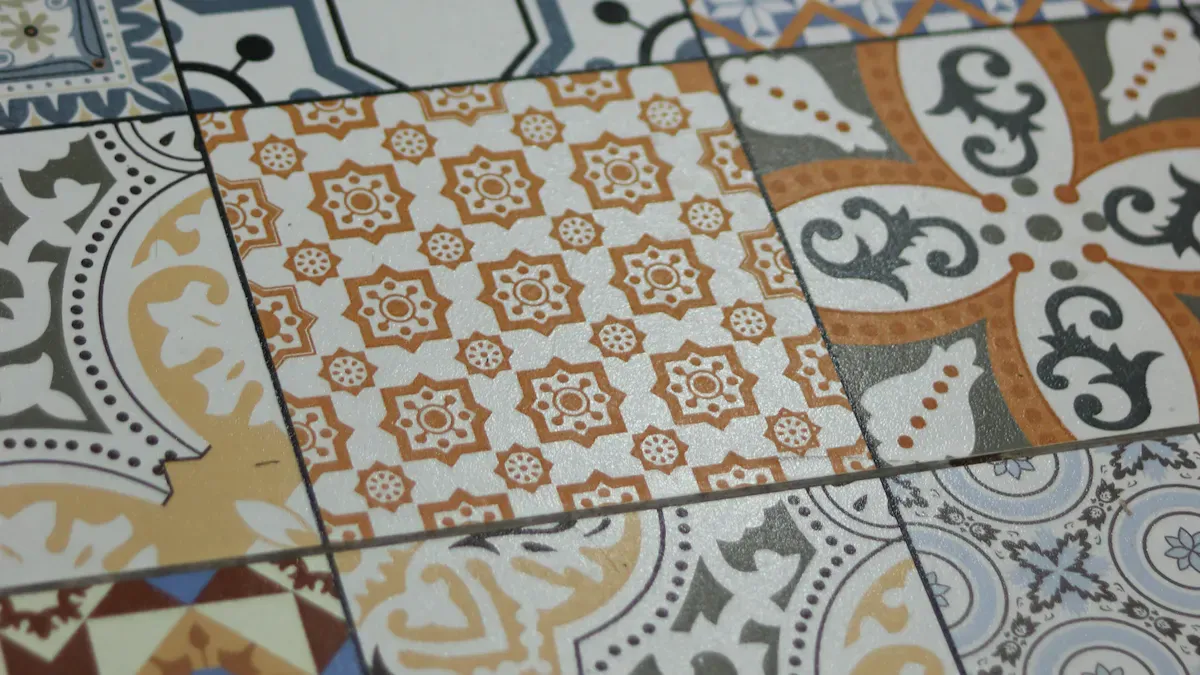
You want your floor tiles to match the style of your home. If you like a modern look, choose simple shapes and clean lines. For a traditional style, pick warm colors and classic patterns. Artistic styles let you play with bold patterns and unique layouts. Interior designers often mix different tiles to create a special effect. You can use one color for a calm feeling or add patterns for more energy. Think about what you want your space to say about you.
Terrazzo & Mosaics
Terrazzo and mosaics give you endless options for creative design. Terrazzo works well in modern homes and busy spaces. Mosaics add detail and can turn a floor into a piece of art. Designers love using these architectural materials for statement floors. If you want something unique, ask guiyi or your designer for ideas. They can help you find the right materials for your project.
Color Coordination
Walls & Furniture
Choosing the right color for your floor tiles can change the whole room. You should look at your walls and furniture first. Here are some tips to help you pick the best colors:
- Think about your goal. Do you want a cozy space or a bright, open room?
- Check how sunlight and lamps change the color of your tiles during the day.
- Bring tile samples home and look at them in different lighting.
- Pick colors that work well with your furniture and wall paint.
- Neutral colors are always safe and never go out of style.
- Try mixing different tiles for a fun look.
You want your home to feel balanced. Tiles should not fight with your furniture or walls. They should work together to make your space feel just right.
Visual Flow
When you use the same color or style of tiles in more than one room, your home feels bigger and more connected. This is called visual flow. Designers use this trick to make small homes feel open. If you want to highlight a special area, use a different tile pattern or color. This draws the eye and adds interest.
Trends & Timeless
You might see bold colors and wild patterns in magazines. These are trendy right now. Some designers use deep blues, greens, or even bright reds for a dramatic look. Artistic patterns are also popular. They can make your floor look like a painting. But timeless options, like neutral shades and simple designs, always look good. They match any style and last for years.
Tip: If you want a floor that never goes out of style, choose neutral colors and classic patterns. For a bold statement, ask interior designers or guiyi about the latest trends in terrazzo, mosaics, or other architectural materials.
Durability & Safety
When you pick floor tiles, you want them to last a long time. Good quality and strength are more important than saving money at first. Strong tiles keep your home looking nice and safe for many years. Let’s see why some tiles are better for busy homes and how to choose the right ones.
Tile Ratings
PEI, Water Absorption
You might notice PEI ratings when shopping for tiles. This rating shows how much walking a tile can handle. Here is a simple guide:
| PEI Rating | Traffic Level | Recommended Use |
|---|---|---|
| PEI 0 | No foot traffic | Walls only (not for floors) |
| PEI 1 | Very light traffic | Bathroom walls or floors with minimal use |
| PEI 2 | Light traffic | Bedrooms, areas with little walking |
| PEI 3 | Moderate traffic | Kitchens, living rooms, hallways |
| PEI 4 | Heavy traffic | Entrances, offices, retail spaces |
| PEI 5 | Extra-heavy traffic | Airports, malls, public spaces |

Water absorption is also important. You need the right tile for each place in your house:
- Non-vitreous: Soaks up a lot of water. Only use on dry walls.
- Semi-vitreous: Takes in some water. Good for inside floors and walls.
- Vitreous: Takes in very little water. Great for most rooms and some outside spots.
- Impervious: Almost no water gets in. Best for showers, patios, and cold places.
Frost Resistance
If you live where it gets cold, frost resistance is important. Impervious tiles, like porcelain, do not crack when it freezes and thaws. Designers and architects pick these for outside or entryways.
Slip Resistance
Family & Pets
Safety is very important, especially if you have kids or pets. Slip resistance helps stop falls. Some people think only older people need this, but kids and pets can slip too. Look for tiles with a high DCOF value—0.42 or more is best for wet places.
- Slip resistance keeps your family safe.
- Kids and pets move quickly and need extra grip.
- Many people forget about slipping until someone gets hurt.
Wet Areas
Bathrooms, kitchens, and mudrooms get wet a lot. You need tiles that stay safe when wet. Textured finishes and small tiles with more grout lines help. Interior designers say to check slip ratings before you buy. Terrazzo and other materials can be made slip-resistant, so ask guiyi or your designer for help.
Tip: You can find tiles that look good and are safe. Do not just pick by looks—think about safety too!
Long-Lasting Materials
Terrazzo, UHPC
Some floor tiles last a lifetime. Porcelain and ceramic tiles can last 75 to 100 years if you take care of them. Porcelain is great because it does not wear out fast and handles lots of walking, scratches, and water.
Porcelain tile is even better for wear resistance, boasting impressive resistance to foot traffic, scratches, water spills, and flooding.
Terrazzo is also a top choice for strength. Designers and architects like it for busy places. UHPC slabs are strong and look modern in homes. If you want something special and tough, ask guiyi about terrazzo or UHPC.
Picking the right floor tiles gives you beauty, safety, and strength. Always choose good quality, and your floors will last for many years.
Tile Cost & Budget
Choosing the right floor tiles for your home means thinking about more than just style. You need to plan for both the price of the tiles and the installation. If you want to avoid surprises, it helps to know what to expect before you start your project.
Material Costs
Price Ranges
You can find floor tiles at many price points. Some are budget-friendly, while others are more of an investment. Here’s a quick look at what you might pay for different types:
| Tile Type | Average Cost (Materials Only) |
|---|---|
| Ceramic Tile | $0.50–$35 per square foot |
| Porcelain Tile | $3–$35 per square foot |
| Natural Stone | $8–$45 per square foot |
Ceramic tiles usually cost less and work well for most rooms in your home. Porcelain tiles cost a bit more but last longer and handle busy spaces. Natural stone tiles, like marble or granite, look beautiful but cost the most. Specialty options, such as terrazzo or mosaics, can be even higher, especially if you want custom designs.
Value vs. Quality
You might want to save money, but picking the cheapest tiles can lead to problems later. High-quality tiles last longer and look better. If you choose strong materials, you will spend less on repairs. Interior designers often say it’s smart to invest in good tiles, especially for busy areas in your home.
Installation Expenses
Labor & Tools
Installing floor tiles takes skill and the right tools. Labor costs usually range from $5 to $15 per square foot. If you have a small project, you might pay a minimum fee of $300 to $500. Removing old flooring can add about $2 per square foot. Some tiles, like natural stone or mosaics, need special tools and more time, which can raise the cost.
| Tile Type | Material Cost (per sq ft) | Labor Cost (per sq ft) | Notes |
|---|---|---|---|
| Ceramic tile | $1 – $5 | $5 – $15 | Easy to install, good for DIY |
| Porcelain tile | $3 – $10 | $5 – $15 | Durable, needs careful handling |
| Natural stone | $5 – $20 | $5 – $15 | Needs special tools and experience |
| Mosaic tile | $10 – $25 | $5 – $15 | Takes more time to install |
Waste & Overages
You should always buy extra tiles. Mistakes happen, and tiles can break during cutting or installation. Most designers suggest getting 10% more than you think you need. This way, you have enough for repairs or changes later.
Buying Tips
Wholesalers & guiyi
If you want to save money, look for bulk discounts from wholesalers. This works well for big projects or if you need specialty architectural materials like terrazzo or UHPC slabs. guiyi is a great resource for custom orders and large quantities. Many designers, developers, and construction teams use guiyi to find unique tiles and get better prices. You can ask interior designers for help with picking the right materials and finding deals.
Tip: Plan your budget for both the tiles and the installation. Ask about bulk discounts and custom options from guiyi, especially if you want something special for your home.
Installation & Maintenance
You want your floor tiles to look nice for a long time. Good installation and care help a lot. Here is what you should know.
DIY vs. Pro
When to Hire
You might want to put in tiles yourself. Doing it yourself can save money. You also get to pick the design. You learn new things and feel proud when you finish. But some jobs are hard. Big rooms or tricky patterns need a pro. Artistic tiles like terrazzo or mosaics are not easy. Professionals work faster and use the right tools. They make fewer mistakes and give you a guarantee. This saves you money later. Sometimes you have to wait for a pro, but you worry less.
DIY Tips
If you want to do it yourself, start with an easy pattern. Get the right tools for the job. Take your time and follow each step. Always measure two times before you cut. Use strong adhesives and pick the right grout. Work on small parts at a time. Do not rush or you might make mistakes. Mistakes can cost more and mess up your day.
Tip: DIY is good for small jobs. For hard designs or special tiles, ask interior designers or guiyi for help.
Tile Care
Cleaning & Sealing
Clean tiles last longer and look better. Sweep or vacuum every day to get rid of dirt. Mop with a damp microfiber mop. Use a pH-neutral cleaner. Do not use strong chemicals that hurt the tile. To seal tiles, pour a little sealer on the floor. Spread it with a roller or sponge. Work on small spots at a time. Let the sealer dry all the way. Stay off the floor until it is ready. Reseal every one or two years, especially in busy rooms. Test with water to see if you need to reseal.
Preventing Damage
You want your tiles to stay free from scratches and stains. Clean up spills right away. Put mats by doors to catch dirt. Use pads under furniture to stop scratches. Pick strong tiles for busy or wet places. Terrazzo and UHPC slabs are tough and easy to clean. Here is a table with best practices:
| Installation Best Practices | Description |
|---|---|
| Use professional grade adhesives | Makes tiles stick well and last longer. |
| Implement proper expansion joints | Stops cracks by letting tiles move a little. |
| Allow adequate curing time | Gives glue time to set. |
| Select appropriate grout compounds | Makes tiles stronger and look better. |
Note: Sweep every day and clean spills fast to stop stains and damage.
Artistic Materials
Terrazzo, Mosaics
Artistic tiles like terrazzo and mosaics need special care. You should hire pros to put them in. These tiles need expert work and custom designs. Designers and interior designers use guiyi to find special tiles. Clean terrazzo and mosaics with gentle, pH-neutral cleaners. Reseal them when needed to keep colors bright and surfaces strong.
UHPC Slabs
UHPC slabs look modern and are very strong. You need skilled workers to install these tiles. To care for them, just sweep and mop often. Do not use harsh cleaners. If you want custom designs or need help, guiyi can help you find the right tiles and experts.
Tip: Artistic tiles make your home special. For the best results, let designers and guiyi help with installation and care.
Choosing the best floor tiles for your home gets easier when you follow these seven tips:
- Think about how you use each space in your home.
- Pick materials that match your needs for durability and water resistance.
- Look at tile size and layout to make rooms feel just right.
- Choose colors that fit your style and mood.
- Pay attention to texture and finish for safety and design.
- Remember grout color and width for a polished look.
- Plan for easy care and cleaning.
You can balance style, function, and cost when you use these steps. Interior designers and experts at guiyi can help you find unique architectural materials like terrazzo. Start your tile journey with confidence and make your home shine.
FAQ
What is the best tile for high-traffic areas?
Porcelain and Terrazzo tiles are good for busy places. They do not scratch or stain easily. Many designers pick these materials for entryways and kitchens. They also use them in stores and other busy spots.
How do I choose the right tile size for my room?
Big tiles can make small rooms seem larger. Small tiles give more grip and detail. Designers like to mix tile sizes for a special look. You can ask guiyi for help with cool layouts.
Are eco-friendly tiles durable?
Yes! Eco-friendly tiles, like recycled Terrazzo, bamboo, or cork, last long. They are good for the earth. Many designers use them in new homes and green buildings.
How do I keep my floor tiles looking new?
Sweep and mop your floors often. Use a pH-neutral cleaner to clean them. Reseal natural stone and Terrazzo every year. Put mats by doors to catch dirt. Designers say regular care keeps all tiles looking nice.
Can I install floor tiles myself?
You can put in simple tiles on your own. For Terrazzo, mosaics, or big UHPC slabs, hire a pro. Designers and guiyi can help you find skilled workers for hard jobs.
What is guiyi, and how can it help me?
guiyi helps you find special architectural materials, like Terrazzo and UHPC. Many designers, architects, and builders use guiyi for custom orders and advice.
Do I need to seal all types of floor tiles?
Not every tile needs sealing. Natural stone and Terrazzo do need it. Porcelain and ceramic tiles usually do not. Always ask your designer or supplier, like guiyi, for the best care tips.
How do I match tile color with my furniture?
Take tile samples home and look at them next to your furniture. Check them in daylight and at night. Designers say to pick colors that go well with your walls and décor for a balanced look.