
Selecting white terrazzo demands a careful balance of aggregate choice, binder selection, finish, and maintenance planning. Color preference alone will not deliver a successful specification. You need confidence that your surface will not yellow, crack, show inconsistent veining, or demand excessive upkeep. This guide walks you through material basics, selection criteria, performance, application, and sourcing. That path helps architects and designers build a defensible specification. G·ONE supports your work with project samples and material guidance. Think of this as a design decision, not a swatch pick. A well-specified white terrazzo surface can hold its appearance for decades.
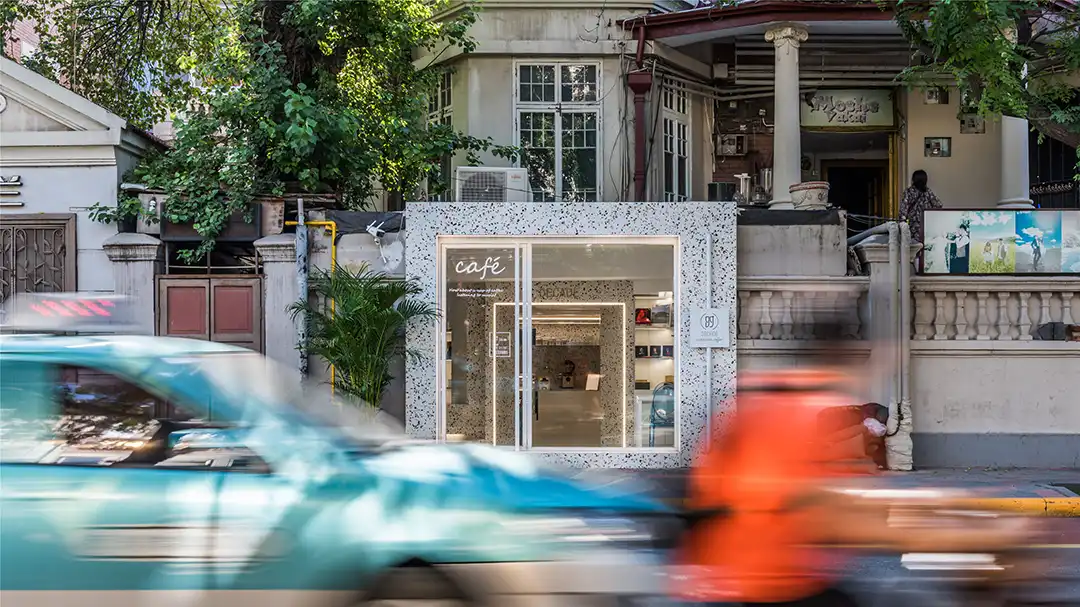
Key Takeaways
- White terrazzo rewards careful planning. Start with your design goal. Choose aggregate, binder, and finish together. Match every choice to the room’s use.
- Always check real samples. View samples under your project’s lighting. Examine chip size, density, and background tone. This step prevents costly mistakes.
- Plan maintenance from the start. Dust mop daily. Damp mop weekly with neutral cleaner. Use water-based sealer. Choose a UV-stable binder for sunny spaces.
- Build durability into your specification. Prepare the base surface well. Plan movement joints. These details stop cracks and yellowing.
- Work with an experienced terrazzo maker early. Confirm lead times and installation needs. Request samples before production. This teamwork protects your design.
What White Terrazzo Is
Composition and Visual Effect
White terrazzo combines two essential elements: a white or light-toned binder matrix and aggregate chips. The binder acts as the continuous phase. It holds the aggregate in place and determines the base tone of the surface. The aggregate provides the visual texture. You can choose from crushed marble, quartz, glass, shell, or recycled materials. Each option brings a distinct character to the finished surface.
The matrix color sets the foundation for everything you see. A white binder creates a bright canvas. The aggregate chips then scatter across this canvas like stars against a pale sky. This combination produces a surface with remarkable depth. Light enters the matrix and reflects back through the chips. The result is a subtle luminosity that flat materials cannot replicate.
White terrazzo amplifies natural and artificial light. A white floor bounces daylight into interior spaces. This effect reduces your reliance on overhead lighting. Large rooms feel more open and airy. The surface also creates seamless transitions across expansive areas. You can pour terrazzo continuously without visible seams or grout lines. This continuity makes white and light-colored floors ideal for lobbies, corridors, and open-plan commercial spaces.
White remains terrazzo’s most specified color palette. Designers choose it for its versatility and timeless appeal. It pairs well with wood, metal, glass, and stone. It supports both minimal and ornate interior schemes. The neutral background allows other materials to stand out without competition.
Why the White Background Matters
The white background does more than look clean. It changes how you perceive the entire space. A white matrix reflects light rather than absorbing it. This reflection makes rooms feel larger and brighter. It also reduces shadows that can make spaces feel closed in.
The background color influences how you see the aggregate. Dark chips create sharp contrast against a white matrix. Light chips blend softly and create a subtle, tonal effect. You control this balance through your aggregate selection. The white background gives you a reliable baseline for predicting the final appearance.
Consistency matters across large projects. A white matrix helps maintain visual continuity from room to room. Batch variations become less noticeable against a uniform light background. This consistency supports seamless design transitions throughout a building. You can specify white terrazzo for multiple areas and trust that the surfaces will relate to each other visually.
The white background also simplifies maintenance planning. Light surfaces show dust and debris more readily than dark ones. This visibility encourages regular cleaning. It also helps facility teams spot spills before they set. A white matrix makes it easier to track the surface condition over time.
Selecting Colors for a Terrazzo Project
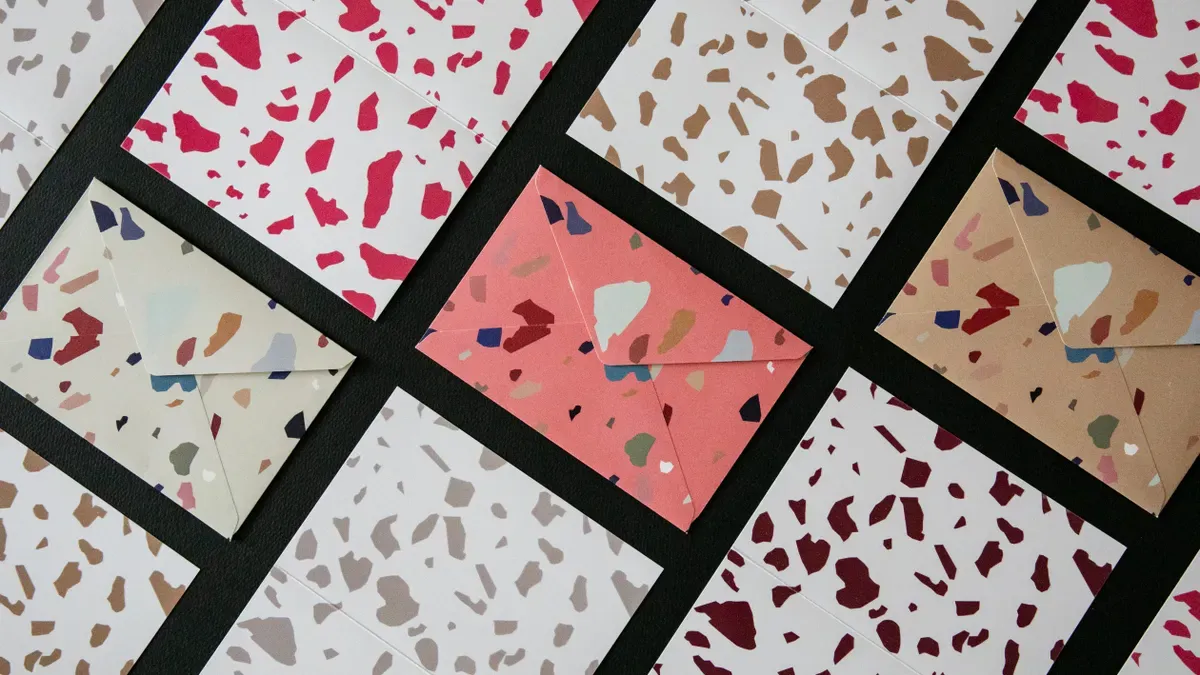
Color Options for Terrazzo
The color selection process begins with your aggregate palette. Crushed white marble chips deliver a classic, bright look with subtle gray veining. Quartz offers greater hardness and a consistent, crystalline sparkle. Glass chips bring translucency and vivid accent colors. Shell adds organic warmth with soft, irregular shapes. Recycled materials support sustainability goals while creating unique speckled effects. Each option changes the surface character, so you should evaluate samples under your project lighting before you commit.
Your binder choice shapes both appearance and performance. A cementitious matrix provides a traditional, matte base with excellent durability. Epoxy resin delivers a smoother, more uniform surface with superior stain resistance. Other resin systems offer specialized properties for specific environments. Whiteness varies across binder types, so you must verify the matrix base color against your target palette. A brighter binder makes light aggregates pop. A warmer binder softens the overall tone.
White pigment and whiteness level determine how bright your final surface appears. Higher whiteness levels reflect more light and create a cleaner look. Exposure class tells you where the material can perform. Interior spaces allow more flexibility. Exterior applications demand UV-stable binders that resist yellowing. Surface finish transforms the visual result. A polished finish maximizes light reflection and color depth. A honed finish offers a subtle, satin look with better slip resistance. Matte and textured finishes reduce glare and add tactile interest.
G·ONE provides custom color and aggregate blends as an example of full customization. You can specify exact ratios, chip sizes, and binder tones to match your design intent. This level of control ensures your white terrazzo meets both aesthetic and performance requirements.
Aggregate Type, Size, and Gradation
When you select aggregates, you control three variables: material, size, and gradation. Material determines hardness, color, and chemical resistance. Size affects the visual scale of the pattern. Gradation describes the distribution of different particle sizes within the mix. A tight gradation creates a uniform, fine-grained surface. A wide gradation produces a more varied, terrazzo-like texture with visible depth.
You should select matrix color and aggregate type and colors together, not separately. The relationship between them defines the final appearance. A white matrix with dark chips creates bold contrast. A white matrix with pale chips produces a soft, tonal effect. Terrazzo aggregates come in standard size ranges, and your fabricator can advise on the best combination for your application.
For a cohesive design, limit your palette to two or three aggregate colors. This restraint keeps the surface readable across large areas. Terrazzo colors should support your overall interior scheme without overwhelming it. A custom terrazzo design allows you to fine-tune every variable. You can adjust chip size, density, and color to achieve a specific visual rhythm.
White marble chips remain the most popular choice for white terrazzo because they complement the bright matrix without adding heavy contrast. Glass and recycled aggregates introduce sustainable character. Quartz provides exceptional wear resistance for high-traffic zones. Your specification should document the exact aggregate type, size range, and gradation so the fabricator can reproduce the approved sample consistently.
Performance and Maintenance of a Terrazzo Floor
Stain Resistance, Porosity, and Yellowing
You may worry that a white surface will show every spill and turn yellow over time. These fears are reasonable, but modern terrazzo systems address them directly. A properly sealed white terrazzo floor resists stains because the sealer fills the microscopic pores in the matrix. This barrier stops liquids from penetrating the surface. You should still clean spills immediately. Acids such as fruit juice or urine can etch the surface if they sit too long. Oil-based sweeping compounds pose a permanent risk because they penetrate the matrix and discolor the floor.
Yellowing typically comes from UV exposure or from wax-based products that oxidize over time. You can prevent both problems with the right product choices. Specify a UV-stable binder for any area that receives direct sunlight. Avoid wax products entirely. Instead, use a water-based acrylic sealer that maintains clarity. A white epoxy terrazzo floor offers excellent stain resistance because the epoxy matrix itself is non-porous. Cementitious systems rely more heavily on the sealer for protection, so you must plan for regular resealing.
Cracking, Impact, Slip Resistance, and Cleaning
Terrazzo performs well under heavy use when you specify the right system. An epoxy terrazzo system tested to ASTM D695 achieves a compressive strength of 10,000 psi (68.9 MPa). The same system reaches a flexural strength of 4,500 psi (31.0 MPa) under ASTM D790. Impact testing to MIL-D-3134 shows the surface withstands 16 ft-lbs without cracking, delamination, or chipping. These values give you confidence that a terrazzo floor can handle high-traffic commercial spaces.
Slip resistance depends on the surface finish you choose. A polished finish offers the highest light reflection but can become slippery when wet. A honed or matte finish provides better traction. You should match the finish to the space. Lobbies and corridors need a balance of appearance and safety. Bathrooms and entryways benefit from a textured finish.
Cleaning a terrazzo floor follows a predictable routine. The table below summarizes the recommended schedule.
| Maintenance aspect | Recommendation |
|---|---|
| Daily | Dust mop to remove dust and grit. |
| Weekly | Damp mop with neutral cleaner; machine-scrub heavily soiled floors; rinse and buff dry. |
| Sealing | New floors: two or more coats; sheen lasts 45–60 days; strip and reseal when required. |
| Product choice | Use neutral-pH cleaner and water-based sealer; avoid wax products. |
You should also keep entryways dry and use entrance matting to trap dirt before it reaches the surface. Remove black marks with a low-speed scrubber pad. If wear appears, polish with diamond abrasive pads and apply a floor protector. G·ONE materials are engineered for wear resistance and long-term weatherability. This engineering support helps you specify a terrazzo floor that holds its appearance for decades.
Design and Application Guidance
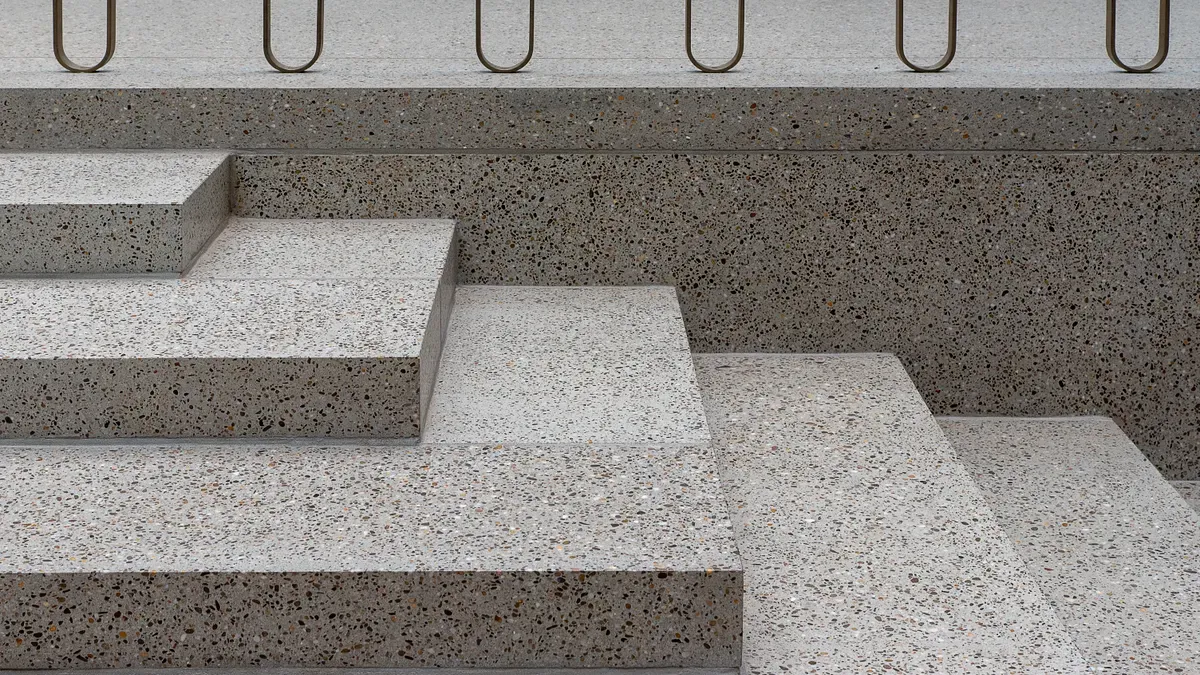
Floors, Walls, Stairs, Bathrooms, and Furniture
White terrazzo suits floors in lobbies, corridors, and retail spaces where light reflection and seamless continuity matter. You can specify it for wall cladding, stair treads, bathroom surfaces, and furniture tops. Each application demands different performance criteria. Bathroom floors need honed or textured finishes for slip resistance. Furniture surfaces benefit from polished finishes that highlight the matrix color and aggregate detail.
Poured-in-place terrazzo gives you greater on-site control. You can adjust patterns to align with ceiling soffits and accommodate last-minute changes. Precast tile requires stringent substrate tolerance of 1/8-inch in 10 feet, typically achievable only with flowable self-leveling products. Ultra-thin tile also lacks guaranteed thickness consistency, with differences up to 1/8-inch causing setting issues. Poured terrazzo floors last over 40 years, while tile typically lasts 10–15 years.
For wet areas, you must assess substrates and test for moisture before installation. Mechanical profiling creates optimal adhesion. Apply compatible primers and bond coats per manufacturer specifications. Bed alkali-resistant fiberglass mesh at joints and corners to keep the waterproof layer continuous. Install flexible movement joints where substrates meet. Build total system thickness to 2–3 mm for most residential applications. Apply multiple sealer coats with anti-slip additives.
G·ONE offers precast terrazzo, recycled terrazzo, mosaic terrazzo, and UHPC panels as application options. These products support diverse terrazzo designs across commercial and residential projects.
Terrazzo Colors, Veining, and Batch Variation
Designing with white terrazzo requires you to control veining and batch variation across large areas. Manufacturers use computerized micro-dosing scales to maintain batch-to-batch color variance within ΔE<1.0. Vacuum hydraulic pressing eliminates internal air voids. Controlled curing chambers ensure complete cement hydration before cutting. A 100% dry-lay inspection verifies edge continuity and aggregate distribution before crating.
You should approve physical samples before mass production. Terrazzo colors, chip size, chip density, background tone, and finish appear different under varying lighting. Compare samples under D65 viewing conditions per ASTM D1729. Then inspect finalists under actual project lighting. Evaluate veins as they cross panel joints rather than as isolated swatches. Use a numbered elevation showing panel positions to reduce uneven vein distribution during installation.
The visual outcome of the terrazzo floor depends on how you balance color in the terrazzo floor with aggregate selection. Your terrazzo floor design should document panel sequence, joint rhythm, and corner strategy. Record the approved sample number, finish code, and lighting conditions on a master reference. This step protects the design intent through production and installation.
Sourcing, Cost, and Installation
Budgets, Lead Times, and Fabricator Qualifications
You should plan your budget around the full scope of work, not just the material cost. True terrazzo typically takes three to four months to order, fabricate, and deliver. Poured-in-place terrazzo projects historically have a shorter lead time, taking approximately four to eight weeks from pouring through installation. Most of that period goes toward pouring and setting. Precast terrazzo panels involve a longer manufacturing lead time because the factory prefabricates and finishes each unit before shipping. However, on-site installation moves much faster. Contractors reduce construction-related detours and blockages when they work with precast units. The manufacturing lead time for precast terrazzo products varies depending on design complexity, order quantities, and current production schedules. Your supplier should provide a personalized estimate for your project. Precast terrazzo units are manufactured offsite, which reduces onsite labor needs. The finished products ship from the manufacturer’s facility to the job site, where crews install them fairly quickly without any pouring or curing onsite. This approach helps contractors meet project deadlines.
Porcelain tile alternatives offer a lower upfront cost and shorter lead times. You should weigh those savings against the visual and performance differences. Porcelain tile cannot replicate the seamless continuity of a poured terrazzo floor. It also lacks the depth and luminosity that a white matrix provides. For projects where budget and schedule allow, true terrazzo delivers superior long-term value.
Fabricator and installer qualifications matter as much as material selection. You should verify that your fabricator has experience with white matrices and light-toned aggregates. Ask for project references that demonstrate consistent color matching across large areas. A qualified installer understands substrate preparation, joint layout, and curing requirements. Poor installation can undermine even the best material. You should request terrazzo samples from your fabricator before you commit to production. These samples let you evaluate the actual appearance under your project lighting. G·ONE offers tailored consultations and project samples to support your specification process.
Joint Spacing, Substrates, and Sustainability
Joint spacing affects both the appearance and the performance of your terrazzo surface. You should work with your installer to plan joint locations that align with the design intent. Movement joints accommodate thermal expansion and substrate movement. Poorly placed joints disrupt the visual continuity that makes white terrazzo so appealing. Your specification should document joint width, depth, and sealant type. Substrate requirements also demand early attention. Poured-in-place terrazzo requires a sound, clean, and properly cured substrate. You must test for moisture before installation. Mechanical profiling creates optimal adhesion. Apply compatible primers and bond coats per manufacturer specifications. Precast tile requires stringent substrate tolerance, typically achievable only with flowable self-leveling products.
Sustainability has become a central concern for architects and designers. You can specify recycled terrazzo to support green building goals. Recycled aggregates divert waste from landfills and reduce the demand for virgin materials. Certification options vary by region and product type. You should ask your supplier about environmental product declarations and recycled content percentages. G·ONE manufactures recycled terrazzo and follows eco-friendly production processes. The brand’s materials meet modern green building standards. This commitment helps you earn credits under programs like LEED and supports your client’s sustainability objectives.
G·ONE provides engineering support throughout the specification and installation process. The team helps you select the right aggregate blend, binder system, and finish for your application. They also assist with joint layout and substrate preparation guidance. Early coordination with a qualified fabricator reduces risk and protects your design intent. You can request terrazzo samples that reflect your exact colors and aggregate choices. This level of support ensures that your white terrazzo surface performs as specified and maintains its appearance for decades.
Apply your selection criteria in order. First, define your aesthetic intent. Second, match performance to space use. Third, choose aggregate, binder, and finish accordingly. Fourth, verify samples under actual lighting. Fifth, plan maintenance upfront.
White terrazzo is a specification decision, not a color swatch. Early coordination with a qualified fabricator such as G·ONE reduces risk. Their team reviews your design intent and confirms material performance before production begins.
A well-specified terrazzo surface holds its appearance for decades when you apply these criteria in sequence. Start with intent, verify with samples, and plan for care. That discipline protects your investment.
FAQ
Will White Terrazzo Yellow Over Time?
You prevent yellowing by selecting a UV-stable binder for sunlit areas. Skip wax products. Use a water-based acrylic sealer instead. A white epoxy matrix stays non-porous, which blocks oxidation. Cementitious systems require regular resealing for protection.
How Do You Prevent Cracking in Terrazzo Floors?
You prevent cracking by testing substrates for moisture before installation. Mechanical profiling creates optimal adhesion. Bed alkali-resistant fiberglass mesh at joints and corners. Install flexible movement joints where substrates meet. Vacuum hydraulic pressing in precast panels eliminates internal air voids.
What Difference Does Aggregate Size Make?
Aggregate size controls your pattern’s visual scale. Small chips create a uniform, fine-grained surface. Large chips add bold texture and depth. Adjust chip density and gradation to match your design intent. Always approve physical samples under project lighting before production begins.
How Do You Maintain White Terrazzo?
Dust mop daily. Damp mop weekly with a neutral-pH cleaner. Machine-scrub heavy soil, then rinse and buff dry. New floors need two or more sealer coats. Strip and reseal when the sheen fades. Grit and debris dull the surface, so entrance matting helps.
Can Terrazzo Support Sustainability Goals?
Yes. Specify recycled terrazzo to divert waste from landfills. Ask about environmental product declarations and recycled content percentages. G·ONE manufactures recycled terrazzo through eco-friendly processes. These choices help you earn LEED credits and meet modern green building standards.