
A Must-Read for Interior Designers: Color Matching and Custom Aggregate Guide for Precast Terrazzo
Introduction: Why Precast Terrazzo Is Dominating Modern Interior Design
In today’s design landscape, precast terrazzo is no longer just a functional material—it has become a core element of high-end interior storytelling. From luxury retail stores to hospitality spaces and contemporary offices, designers are increasingly turning to precast terrazzo for its precision, durability, and unmatched customization potential.
However, achieving the perfect terrazzo finish goes far beyond selecting a color. True design excellence lies in mastering color matching and custom aggregate selection—two factors that directly influence visual impact, brand identity, and user experience.
This guide breaks down everything interior designers need to know to create standout terrazzo designs that convert aesthetics into real-world value and client satisfaction.
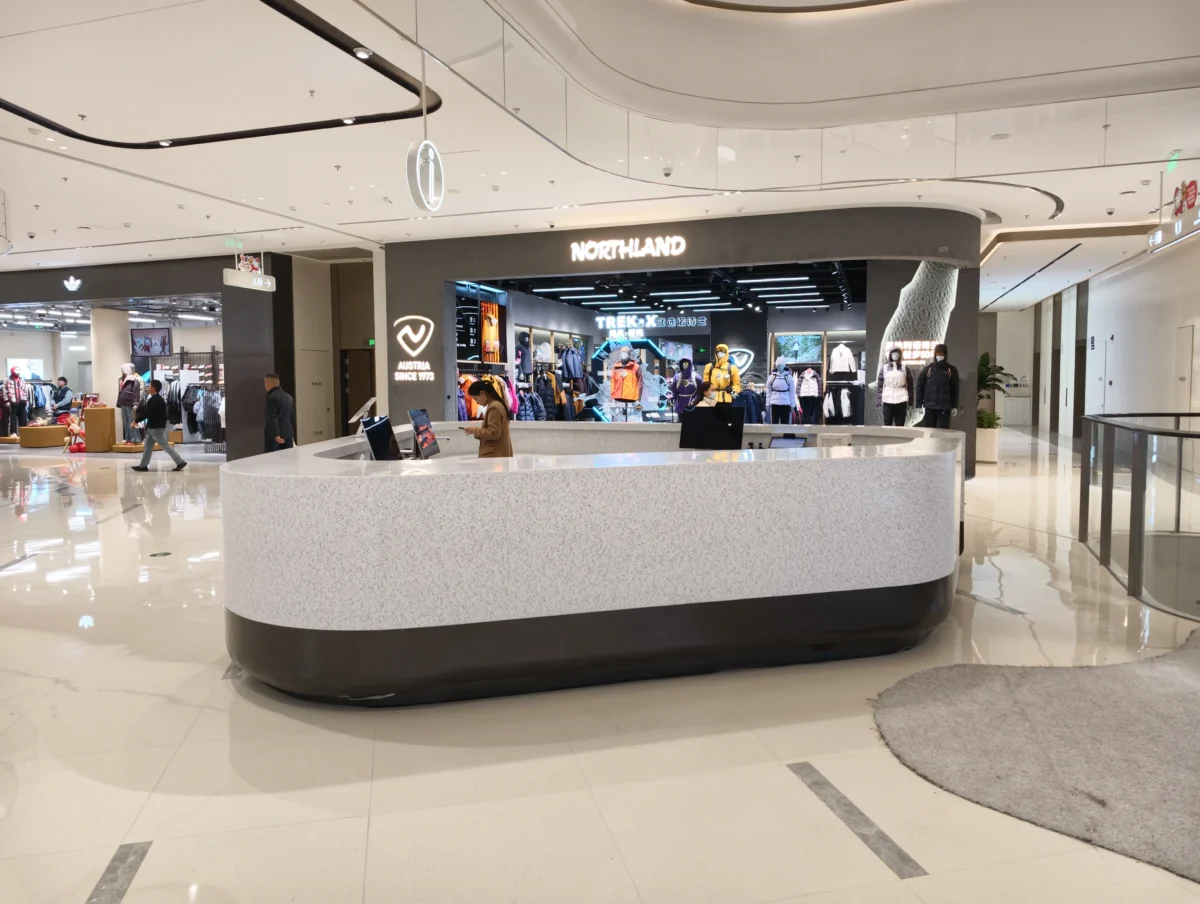
What Is Precast Terrazzo?
Precast terrazzo is a factory-produced composite material made from marble, quartz, glass, or other aggregates embedded in a cementitious or resin matrix. Unlike poured-in-place terrazzo, precast elements are manufactured under controlled conditions, ensuring:
- Consistent color and texture
- Faster installation timelines
- Reduced on-site labor costs
- Superior quality control
Common applications include:
- Countertops and vanities
- Wall panels
- Stair treads
- Furniture pieces
- Reception desks
The Importance of Color Matching in Terrazzo Design
1. Aligning with Brand Identity
For commercial interiors, color is not just aesthetic—it’s strategic. Whether you’re designing for a boutique hotel or a flagship retail store, terrazzo colors should align with the brand’s visual language.
- Neutral palettes convey sophistication
- Bold tones create memorable visual anchors
- Pastels enhance soft, lifestyle-driven spaces
2. Lighting and Environmental Influence
Color perception changes dramatically depending on lighting conditions:
- Natural daylight enhances true tones
- Warm lighting can yellow lighter terrazzo bases
- Cool LED lighting may intensify gray or blue aggregates
Pro Tip: Always test terrazzo samples under actual project lighting conditions before final approval.
Image Inspiration: Color Matching in Terrazzo Design
Custom Aggregate Selection: The Designer’s Secret Weapon
1. Aggregate Types and Their Visual Effects
Different aggregates create completely different visual experiences:
- Marble chips: Classic and elegant
- Glass chips: Reflective and contemporary
- Quartz: Clean and minimal
- Recycled materials: Sustainable and textured
2. Size Matters: From Fine to Bold
Aggregate size directly affects the visual density:
- Fine aggregates: Subtle, uniform surfaces
- Medium aggregates: Balanced texture
- Large aggregates: Bold, statement-making designs
3. Color Contrast and Depth
Combining contrasting aggregates can create depth and dimension:
- Light base + dark chips = high contrast
- Tone-on-tone = minimalist sophistication
- Multicolor blends = artistic expression
Image Inspiration: Custom Aggregate Combinations
Step-by-Step Guide: Designing Custom Precast Terrazzo
Step 1: Define the Design Intent
Start with a clear concept:
- Is the terrazzo a focal point or background element?
- What emotion should the space evoke?
Step 2: Build a Color Palette
Use:
- Brand guidelines
- Material boards
- Digital color tools
Step 3: Select Aggregates
Choose based on:
- Texture preference
- Sustainability goals
- Budget constraints
Step 4: Request Samples
Always request physical samples to:
- Verify color accuracy
- Evaluate texture
- Test lighting conditions
Step 5: Collaborate with Manufacturers
Work closely with suppliers to refine:
- Mix ratios
- Aggregate distribution
- Surface finishing
Common Mistakes to Avoid
- Ignoring lighting impact on color perception
- Overusing too many aggregate colors (visual clutter)
- Skipping sample testing
- Not considering long-term maintenance
- Choosing aesthetics over functionality
Why This Topic Drives Traffic
Precast terrazzo sits at the intersection of multiple high-volume search categories:
- Interior design materials
- Sustainable architecture
- Custom surface solutions
- Commercial renovation
By targeting both design inspiration keywords and technical specification queries, this topic attracts:
- Architects
- Interior designers
- Project developers
- Procurement managers
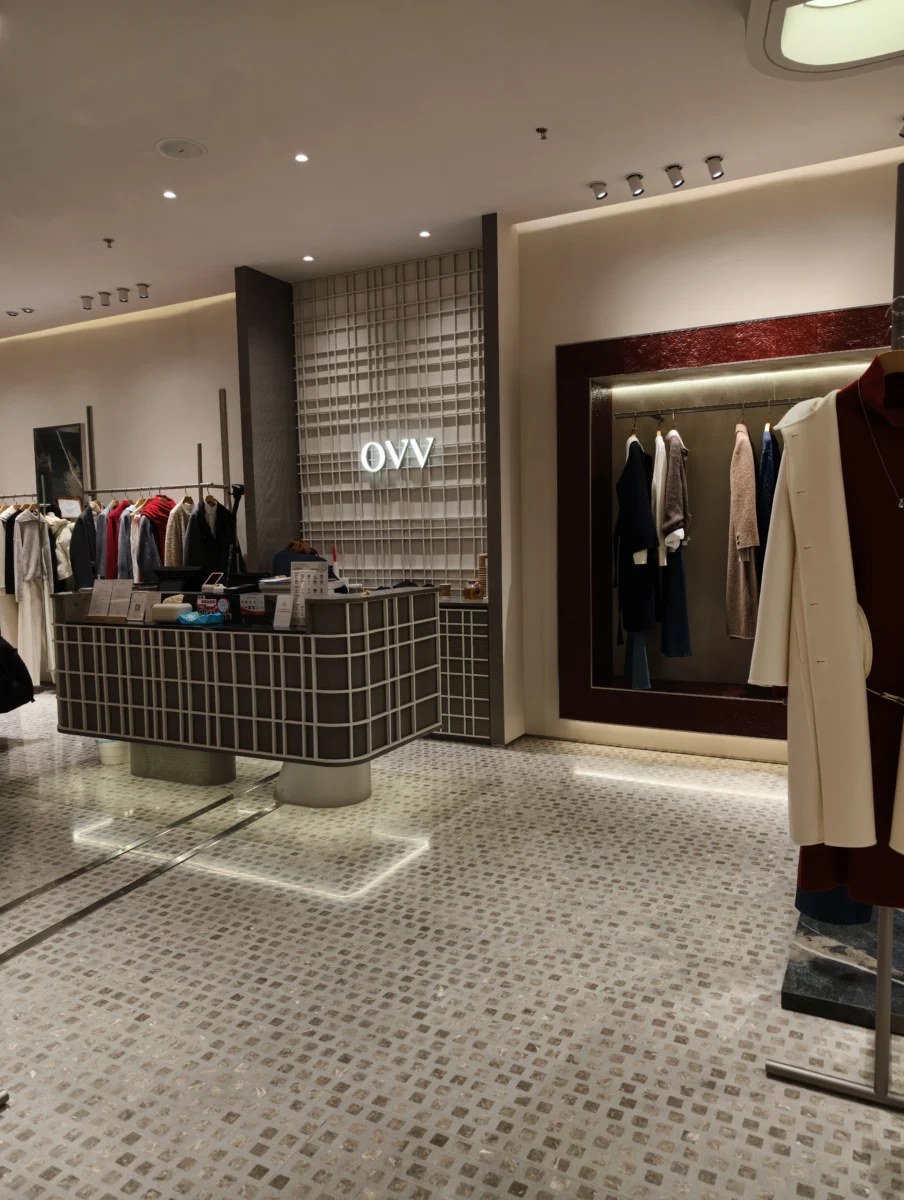
FAQ Section
What is the difference between precast terrazzo and poured terrazzo?
Precast terrazzo is manufactured off-site in molds, offering better consistency and faster installation, while poured terrazzo is installed directly on-site and allows more flexibility for large surfaces.
How do I choose the right terrazzo color?
Consider brand identity, lighting conditions, and surrounding materials. Always test samples in real project environments.
Are custom aggregates expensive?
Costs vary depending on material type, size, and sourcing. Recycled aggregates can sometimes reduce costs while enhancing sustainability.
Can terrazzo be used for vertical surfaces?
Yes, precast terrazzo is widely used for wall panels, cladding, and decorative installations.
Is terrazzo sustainable?
Yes. Many terrazzo products use recycled materials and have long lifespans, making them environmentally friendly.