
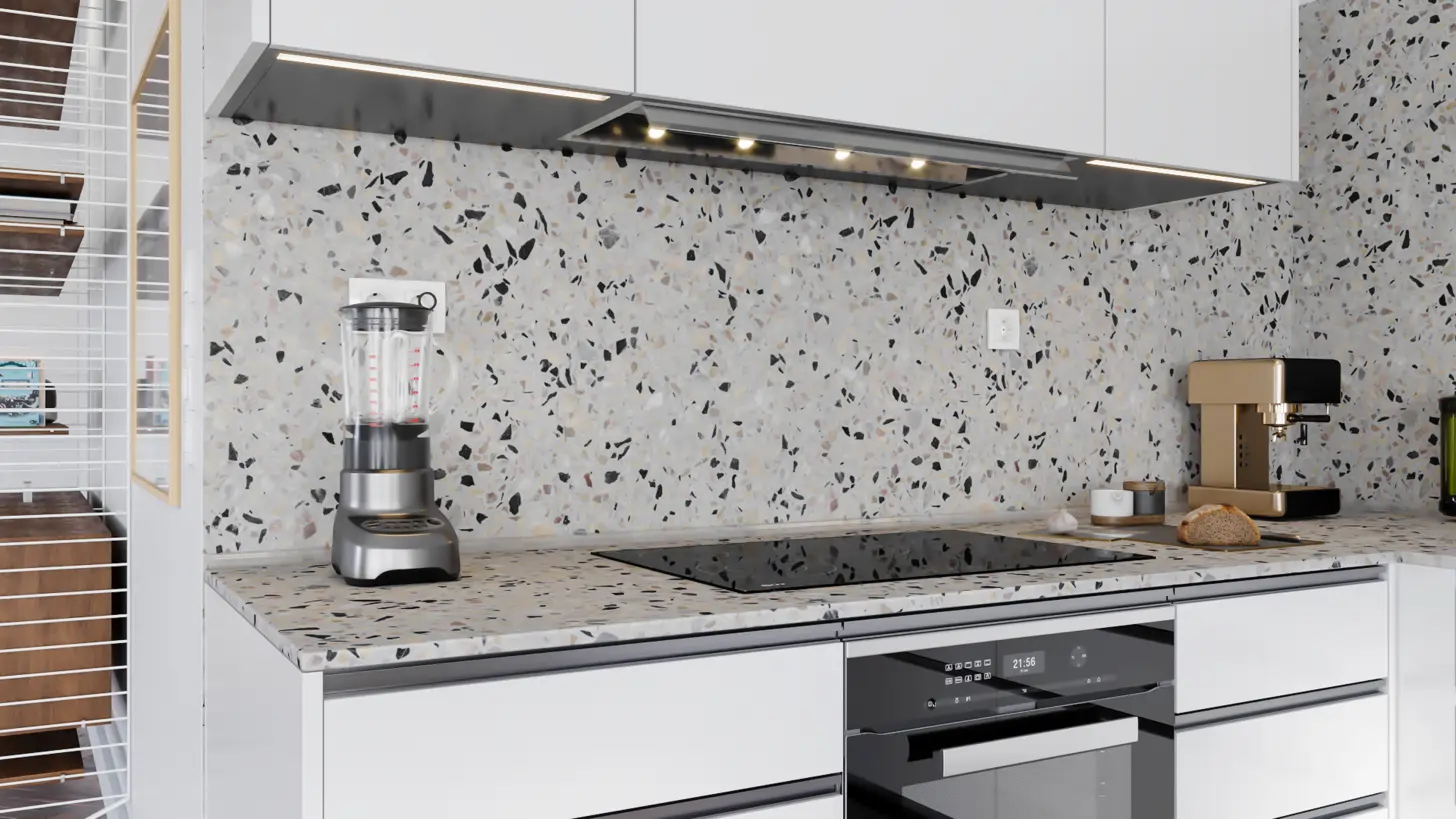
When you consider terrazzo vs quartz, they may appear similar at first glance. Most buyers focus on price and cost, which are the most noticeable factors. Quartz is frequently referred to as a more affordable countertop option, while terrazzo is celebrated for its unique aesthetic. You might assume these are the only aspects to consider, but there are additional factors to weigh when selecting countertops. G·ONE assists you in comparing countertop materials, enabling you to determine what works best for your space.
Key Takeaways
- Terrazzo gives you many design choices. You can pick lots of colors and patterns. Quartz looks more the same everywhere.
- Both terrazzo and quartz are strong. Terrazzo might not show damage as fast. This makes it good for kitchens with lots of use.
- Quartz is faster and cleaner to put in. Terrazzo takes longer and needs more skill. This is true if you want a special design.
- Think about how each one affects the environment. Terrazzo can be better for nature if it uses recycled stuff. Quartz makes less waste over time.
- Look at both the first price and how much care they need later. This helps you choose what fits your money and how you live.
Terrazzo vs Quartz: Durability & Longevity
Wear Resistance
If you compare terrazzo and quartz, you may ask which one lasts longer in daily use. Both are strong, but they are strong in different ways. Check out this table to see how each does in busy places:
| Performance Aspect | Terrazzo | Quartz Countertops |
|---|---|---|
| Durability | High density and wear resistance | Extremely durable due to quartz content |
| Stain Resistance | Better moisture and stain resistance | Non-porous when sealed |
| Heat Resistance | Good | Resists heat better than many natural stones |
| Maintenance Requirements | Low-VOC, easy to clean | Requires proper finishing to maintain quality |
| Visual Complexity | Chip pattern creates movement | Offers visual complexity not found in standard quartz slabs |
Terrazzo is picked a lot for busy spots because it is very dense and tough. Quartz countertops also fight off scratches and stains, especially if they are sealed. If your kitchen is busy or people walk through a lot, both can handle it. Terrazzo might show less damage as time goes on. Quartz can sometimes chip or get cloudy after many years.
Maintenance & Lifespan
You want your kitchen counters to look nice for a long time without much work. Both terrazzo and quartz can do this, but you care for them a little differently:
- Wipe both with a soft cloth and mild soap every day.
- Do not use harsh cleaners like bleach or ammonia.
- For hard stains, use a gentle cleaner or baking soda paste.
- Always use cutting boards and trivets to stop scratches and heat marks.
- Quartz does not need sealing, but check if your counter needs it.
- Clean up spills fast to stop stains, especially on terrazzo.
After a while, you may see some problems. Bright foods can stain, and you might see chips or water spots if you do not clean often. Still, if you take care of them, terrazzo and quartz last a long time and stay nice. If you want a counter that fits your budget and lasts, think about how much work you want to do and how much it costs to keep up. Picking the right one will help you feel good and have a pretty kitchen for many years.
Installation Complexity & Disruption
Installation Process
When you want new kitchen countertops, you probably want it done fast. You also want less mess in your home. The way terrazzo and quartz are installed is not the same. Quartz comes in big slabs. Workers cut them to fit your kitchen. Here are the steps for quartz:
| Step Number | Quartz Countertop Installation Steps |
|---|---|
| 1 | Measure the area where the countertop will be installed |
| 2 | Prepare the surface for installation |
| 3 | Fit the quartz slabs into place |
| 4 | Secure the slabs to ensure a durable finish |
Quartz can be put in within one or two days. The job is clean and does not bother you much. Terrazzo is different because it is custom. Workers pour terrazzo at your house or use slabs made before. If you pick poured terrazzo, it can take weeks to finish. The time depends on how special you want your counter and your kitchen’s shape. You may see more dust and noise when terrazzo is installed.
Tip: If you want your kitchen back fast, quartz is usually best.
Skill Required
You might ask who should put in your countertop. Quartz needs skilled workers, but the steps are simple. Most pros can install quartz without problems. Terrazzo is harder to install. You need someone who knows how to mix, pour, and polish terrazzo. How good your counter looks depends on their skill. If you want a special look and strong counters, hire someone who knows terrazzo well.
Picking terrazzo or quartz means thinking about time and quality. Terrazzo gives you a custom look, but it takes longer and costs more. Quartz is faster and always looks the same. Both can make your kitchen look great, but how they are put in and who does it can change the price and how long they last.
Environmental Impact of Terrazzo and Quartz
Sustainability Factors
You want your kitchen to look nice and help the planet. Terrazzo and quartz both have good and bad points for the environment. Terrazzo uses zero VOC materials, so it does not add bad chemicals to your home. Its surface does not let water or germs in, which helps keep your air clean. Thin-set epoxy terrazzo also has zero VOCs and almost no off-gassing, so your air stays fresh.
Quartz countertops are popular, but they do not always use recycled stuff. Quartz lasts a long time, so you do not need to get new counters often. This means less trash and less carbon used. Both terrazzo and quartz can be made with local materials, which means less pollution from trucks. If you pick a countertop made near you, you help the earth.
Check out this table to see how much carbon each material uses:
| Material | GWP per m² (kg CO2 eq) | Total Project Impacts (kg CO2 eq) |
|---|---|---|
| Terrazzo | 82.2 | 106,860 |
| Engineered Quartz | 102.6 | 60,021 |
Terrazzo uses less carbon for each square meter, but quartz uses less carbon for the whole project. Both have good and bad sides when you think about cost and the planet.
Material Sourcing
You might wonder where the materials come from. Terrazzo uses limestone, marble, glass, or quartz. These things are taken from the ground and sent to factories. This uses energy and resources, which can hurt the earth. If you pick terrazzo with recycled or recyclable parts, you help keep trash out of landfills.
Quartz comes from mined stone and resins. It needs careful picking to make sure it is good quality. If you choose quartz with recycled materials, you help the planet. Both terrazzo and quartz last a long time, so you do not have to buy new ones often. This saves money and helps the earth.
Tip: Try to find countertops made with local and recycled materials. You get good quality and help the planet.
Design Flexibility & Customization
Pattern and Color Options
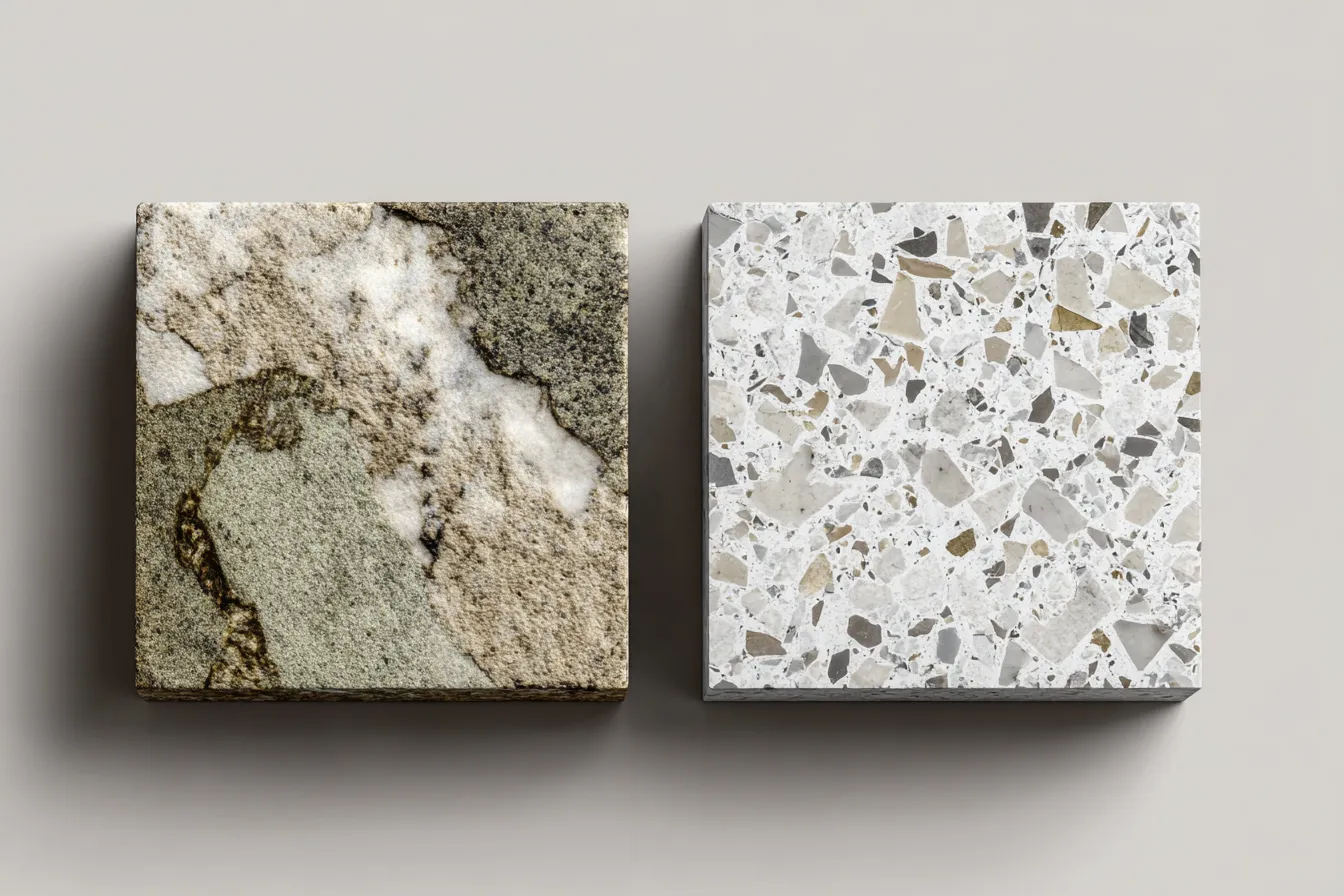
You want your kitchen countertops to stand out. Maybe you want a bold look or something that matches your favorite colors. Terrazzo gives you almost endless choices. You can pick from many different chips, like marble, glass, or even recycled materials. You can also tint the binder to get the exact shade you want. This means you can create a terrazzo surface that fits your style and your home’s vibe. The appearance can be wild and colorful or soft and simple.
Quartz offers a more uniform look. Most quartz countertops come in set colors and patterns. You get a clean and modern feel, but you do not have as much freedom to mix and match. If you want a unique design, terrazzo is the winner. If you want something that always looks the same, quartz is a good choice. In 2024, vibrant colors like emerald green and sapphire blue are popular. You can use these trends in terrazzo or choose a classic look with quartz.
Here’s a quick look at how terrazzo and quartz compare:
| Feature | Terrazzo | Quartz |
|---|---|---|
| Color Options | Nearly limitless | Limited |
| Pattern Variety | Custom, unique patterns | Consistent, subtle |
| Trending Styles | Jewel tones, bold mixes | Classic, modern |
Tip: If you want your kitchen to show your personality, terrazzo gives you more ways to be creative.
Fit for Unique Spaces
Every kitchen is different. Some have odd corners or special shapes. Terrazzo works well in these spaces because you can pour it in place or cut it to fit. You can use terrazzo for flooring, walls, or even curved surfaces. This makes it a flexible material for any project.
Quartz is made in slabs. You can cut quartz to fit most spaces, but it works best for standard shapes. If you have a tricky spot, terrazzo can handle it better. Both materials offer good durability and quality, but terrazzo stands out when you want something custom.
If you have a low price budget, quartz can help you save on cost. If you want a one-of-a-kind look and do not mind a higher cost, terrazzo brings more appeal and better aesthetics. You can mix terrazzo and quartz for a special design, too. This lets you enjoy the best of both worlds—style and budget quartz options.
Cost & Countertop Price Factors
Upfront Cost Comparison
When you shop for new countertops, the first thing you probably notice is the price tag. Terrazzo and quartz both look great, but their upfront cost can surprise you. Terrazzo often costs more at the start because it is custom-made and takes more time to install. You pay for the unique look and the skill needed to make it. Quartz usually has a lower countertop price. You get a slab that is ready to cut and fit, so the job goes faster and costs less.
But don’t forget about other pricing factors. The size of your kitchen, the thickness of the material, and the edge style all change the final cost. If you want a special shape or color, terrazzo can get expensive. Quartz gives you a set price for most styles, so you know what to expect.
Long-Term Value
You want your investment to last. Both terrazzo and quartz offer strong durability, but their long-term value depends on more than just the first bill. Maintenance is a big part of the story. Take a look at how much you might spend each year to keep terrazzo looking sharp:
| Type of Terrazzo | Annual Cost of Maintenance (Per Sq. Ft) |
|---|---|
| Epoxy Terrazzo | $0.43 |
| Sand Cushion Terrazzo | $0.52 |
| Monolithic Terrazzo | $0.61 |
Quartz countertops need very little care. You just wipe them down, and you’re done. Terrazzo needs a bit more attention, but the cost stays low over time. Both materials keep their quality for years, so you get good value for your money.
Warranties also help protect your investment. Many top quartz brands, like Hanstone and Caesarstone, offer limited lifetime warranties. These cover defects as long as you own your home. That means you can trust the material quality and know your countertop will last.
Tip: If you want a countertop that balances cost, durability, and style, look at both the upfront price and the long-term care. The right choice depends on your budget and how much work you want to do.
You now know terrazzo and quartz differ in more ways than you might think. Many buyers believe myths like quartz never stains or that all brands are the same. Here are a few common misconceptions:
- Quartz and quartzite are not the same.
- Quartz is not stain-proof.
- Not all quartz is made with the same quality.
When you choose your countertop, look at durability, installation, environmental impact, customization, and cost. G·ONE helps you compare options like granite, marble, and laminate, so you can pick what fits your style and needs.
FAQ
Is terrazzo or quartz better for families with kids?
You want something tough. Quartz resists stains and scratches, so it works well for busy families. Terrazzo also holds up, but chips can show if you drop heavy things. Both clean up fast.
Can I use terrazzo or quartz outdoors?
You can use terrazzo outside if you seal it well. Quartz does not like direct sunlight or weather changes. It can fade or crack. For patios or outdoor kitchens, terrazzo is the safer pick.
How do I clean terrazzo and quartz countertops?
- Wipe with a soft cloth and mild soap.
- Skip bleach or harsh cleaners.
- For sticky spots, use a little baking soda paste.
Tip: Clean spills right away to keep your counters looking new!
Which one is more eco-friendly?
| Material | Recycled Content | VOC Emissions |
|---|---|---|
| Terrazzo | High (if chosen) | Low |
| Quartz | Varies | Low |
You help the planet by picking terrazzo with recycled chips. Both options have low VOCs.
