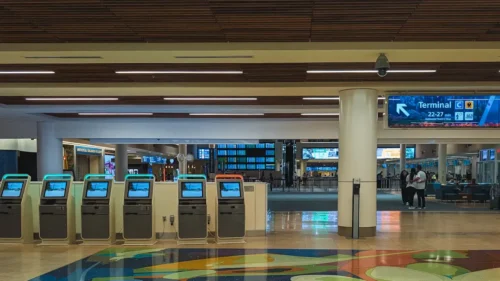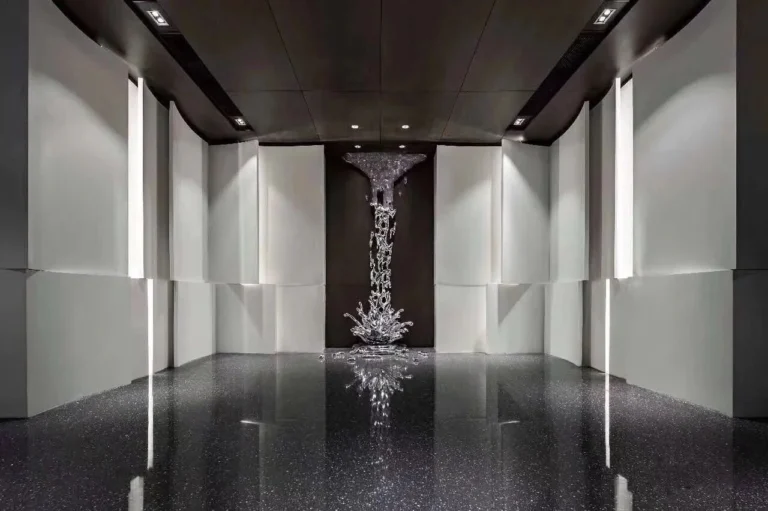
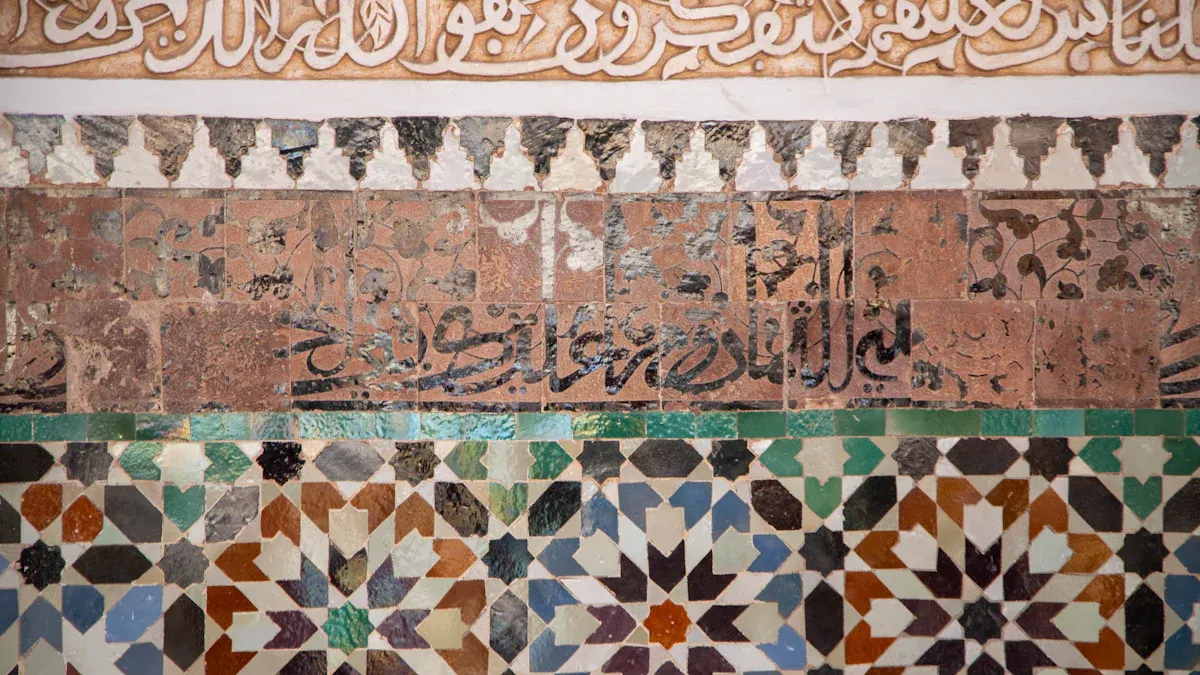
Terrazzo tiles have a long history. They started with ancient mosaics in Egypt and the Middle East. People also used them in Venice. Artisans made terrazzo by putting stone pieces into mortar. They turned leftover stones into pretty surfaces. Over time, terrazzo showed creativity and skill. New machines like electric grinders made terrazzo better. Divider strips also helped improve the style. Today, terrazzo tile is a popular floor choice. It mixes old traditions with new designs.
Key Takeaways
- Terrazzo tiles started with ancient mosaics in Egypt and the Middle East. These mosaics showed skill and creativity. Venetian marble workers in the 15th century changed terrazzo. They used leftover marble chips. This showed they were clever with materials. Moving from mosaic to terrazzo needed new ways to build. These new ways made it easier to install. They also made terrazzo last longer. Modern terrazzo uses eco-friendly materials. This helps the planet and supports green building. Epoxy terrazzo is strong and flexible. It lets people make custom designs. It can be installed faster. Divider strips and electric grinders make terrazzo floors look better. They also improve the quality. Terrazzo is still popular in modern design. It fits many styles and places, like homes and public spaces. The future of terrazzo is promising. New technology and creative ideas make it even more useful and attractive.
Ancient Terrazzo Origins
Early Mosaics in Egypt and the Middle East
Materials and Techniques
Terrazzo started with the first mosaics in Egypt and the Middle East. People there used many things to make pretty surfaces. They picked stones, shells, bricks, pottery, glass, and even special things like turquoise, ivory, and jade. Sometimes, they used mother-of-pearl, pink limestone, and black shale. These things made each mosaic look different.
The ways they built mosaics showed a lot of skill. Workers made a base with fresh mortar or plaster. They put small pieces, called tesserae, close together. They poured liquid mortar to fill the spaces. This made the surface strong and waterproof. Sometimes, copper wires twisted into loops held the pieces in bitumen. This helped the designs last a long time.
| Materials Used | Techniques Described |
|---|---|
| Mother-of-pearl, pink limestone, black shale | Mosaic pieces held in place using copper wires twisted into loops set into a layer of bitumen. |
| Stone, shells, brick, pottery, glass, smalto, turquoise, ivory, jade | A base prepared with fresh mortar or plaster, tesserae positioned closely together, filled with liquid mortar for waterproofing. |
These old ways helped start terrazzo. Using leftover pieces and careful work inspired people later. Over time, mixing small pieces into a base became important for terrazzo floors.
Decorative and Symbolic Uses
Mosaics in ancient times were not just for looks. People used them to tell stories, honor gods, and show big events. Floors and walls in temples, palaces, and homes had these designs. The patterns and pictures meant a lot to the people who made and saw them.
Terrazzo, like mosaic, showed culture and beliefs. The colors and shapes often matched local customs. In some places, workers used special symbols for good luck or to show power. The history of terrazzo shows how art and life were linked long ago.
Roman and Byzantine Terrazzo
Spread Across the Mediterranean
Romans liked how mosaic floors looked and lasted. They brought these ideas to new places as their empire grew. Roman builders used terrazzo-like ways in homes, baths, and public places. They mixed marble chips and colored stones into mortar. Then they polished the surface to make it smooth.
Byzantine artists kept this going. They added gold and glass to their mosaics. This made floors and walls shine in churches and palaces. Terrazzo spread across the Mediterranean because people liked it. Each place made its own style, but the main idea stayed. Small pieces came together to make something strong and beautiful.
The trip from old mosaics to terrazzo led to new ideas. In the 15th century, Italian mosaic workers in Venice wanted to use leftover marble. They used these old ways to make new things. Today, terrazzo is still popular, from old floors to modern epoxy terrazzo tiles. The story of terrazzo shows how old ideas can become new designs.
Venetian Terrazzo and Its Invention
15th Century Venice
Marble Workers and Resourcefulness
Venice was where modern terrazzo began in the fifteenth century. Marble workers there were clever and did not waste things. They picked up leftover marble chips from building sites and shops. These workers mixed the marble pieces with cement to make new floors. This way, they used less material and made less trash. Craftsmen from Friuli helped a lot with this idea. They were good at placing mosaic tiles, so they could invent terrazzo. The Venetian Council of Ten saw their talent. On February 9, 1583, the council let maestro Sgualdo Sabadin and his team open a school for terrazzo workers. More people wanted their work very quickly. Rich people in Venice wanted terrazzo floors in their big houses because they looked nice and lasted long.
Venetian workers used leftover tiles to make terrazzo. This showed they cared about saving resources. They liked being creative and smart.
- The first Venetian terrazzo floors showed up in the sixteenth century.
- Friuli workers led the new ideas.
- Terrazzo became a favorite for rich people in Venice.
- Mosaic tile skills helped create the new floor style.
- Palaces used terrazzo because it was useful and pretty.
Venetian Pavement and Modern Terrazzo
Transition from Mosaic to Terrazzo
Venetian pavement changed how people made floors. Italian workers in the fifteenth century came up with this way. They put marble scraps in a binder and polished the top. This made floors that were strong and looked good. The change from mosaic to terrazzo happened when workers started putting stone pieces into mortar. This new way made it easier to install and use materials. New tools like metal strips and electric grinders made terrazzo even better. These tools helped workers make smoother floors and neat designs.
Old terrazzo used marble pieces mixed with cement. This showed people cared about using things wisely. Later, terrazzo changed and started using epoxy. This let workers add glass chips and fake materials. Now, terrazzo makers get pieces from recycling places and quarries. These ways help the environment and support green building rules. Modern terrazzo still shows how people can be smart and careful with resources.
Venetian pavement helped start today’s terrazzo. The first terrazzo floor in the United States was put in at the Vanderbilt house in New York City in 1890. This was when terrazzo started to become popular everywhere. Today, people still pick terrazzo for new buildings. Designers like it because it is strong, flexible, and looks special.
History of Terrazzo in Europe
Renaissance to Modern Era
Adoption in Palaces and Public Spaces
The story of terrazzo in Europe is about change. It started as simple floors and became fancy designs. In the Renaissance, rich families wanted nice floors in their big homes. They picked terrazzo because it looked fancy and lasted a long time. Workers used marble chips and colored stones for special patterns. These floors were put in churches and public buildings. People liked the smooth look and bright colors.
Later, terrazzo got even more popular in European cities. Builders used it in train stations, museums, and schools. The floors were not just for walking on. They also showed art and culture. Terrazzo changed as people’s tastes and tools changed. Each new building showed how design got better over time.
Craftsmanship and Polishing Advances
Techniques That Shaped Terrazzo
Skilled workers helped terrazzo get better. They learned to make detailed patterns and designs. They used their hands and simple tools to place each piece. Over time, new ways made the work faster and easier.
- In 1924, workers started using divider strips. These strips stopped cracks and let them make cool shapes and colors.
- Electric grinding machines made polishing terrazzo much faster. Floors became very smooth and shiny.
- New tools and ideas let designers make pictures, logos, and maps in the floors.
European workers set high standards for terrazzo. Their work made modern builders want to do better.
Today, terrazzo floors still show this long history. New ways let people make almost any design. Old skills and new technology keep terrazzo popular in homes and public places. The history of terrazzo in Europe shows that good work and smart ideas always matter.
Evolution of Terrazzo Tiles in America
Arrival and Early Uses
Commercial and Public Buildings
Italian immigrants brought terrazzo skills to America in the late 1800s. They learned these skills in Venice during the 16th century. Builders liked terrazzo tile because it was strong and pretty. By the early 1900s, workers put terrazzo floors in important places. Many public and commercial buildings had these floors. Terrazzo lasted a long time and looked great.
Terrazzo has been used in the United States since the early 1900s. Studies show these floors still look good today. If cared for, terrazzo can last over 100 years.
Architects and designers picked terrazzo tile for big homes and government buildings. They wanted floors that were cheap and could handle lots of people. The table below shows some famous early examples:
| Example | Description |
|---|---|
| George Washington’s residence | Early use of terrazzo in a well-known American building. |
| Hoover Dam | Terrazzo floors in its public works area show how tough it is. |
| Vanderbilt mansions | Used terrazzo in fancy homes on Fifth Avenue, showing its popularity. |
More people saw how good terrazzo tile was. It became a sign of quality and style in American buildings.
Mid-Century Modern Influence
guiyi’s Role in Terrazzo’s Popularity
In the 1950s and 1960s, mid-century modern style changed terrazzo’s look. Architects like Richard Neutra and A. Quincy Jones used terrazzo tile in their designs. They liked how smooth and simple terrazzo looked. Terrazzo tile helped connect indoor and outdoor spaces. By the 1960s, many homes in the Southeast and Southwest had terrazzo floors. Designers chose terrazzo for its beauty and usefulness.
- Terrazzo was most popular in the mid-century modern style starting in the 1950s.
- Architects liked terrazzo for its simple look.
- By the 1960s and early 70s, new homes in the Southeast and Southwest had terrazzo floors.
- The style faded in the 1970s but came back as people liked mid-century modern design again.
guiyi made terrazzo designs easy to get and stylish. The company offered many colors and patterns. guiyi helped terrazzo tiles change with new trends. Today, terrazzo tile works in both homes and businesses. Designers use it to make floors that last and look special.
Terrazzo tiles in America show how they change with new styles. Terrazzo tile is still a top pick for strong and nice floors. Its history shows that good design always stays popular.
Terrazzo Innovations and Technology
Art Deco and Design Trends
Iconic Patterns and Buildings
The Art Deco movement in the 1920s made terrazzo more popular. Designers wanted bright colors and bold shapes. Terrazzo was a favorite because it could make straight and curved forms. Architects used terrazzo to create geometric patterns for Art Deco style. They put terrazzo in famous buildings to make floors and walls stand out.
- Terrazzo became more popular during the Art Deco era in the United States.
- Buildings like the Chrysler Building and Empire State Building used terrazzo to show style and elegance.
- Terrazzo let designers make unique patterns that fit the Art Deco look.
Terrazzo’s flexibility helped architects show their creativity. They matched colors and shapes to the building’s theme. Intricate designs made terrazzo a top choice for modern spaces. Today, designers still use terrazzo to bring Art Deco inspiration to new projects.
Divider Strips and Electric Grinders
Impact on Durability and Style
Divider strips changed terrazzo floors. Workers first used wood strips, then switched to marble and zinc. These strips let terrazzo surfaces expand and contract. This stopped cracks from forming. The improvement made terrazzo tiles last longer and stay strong. Divider strips also helped workers make sharp lines and shapes in the floor. Designers could use different colors and patterns, making each floor unique.
The electric grinder was invented in 1924. It made terrazzo installation faster and better. Workers used grinding and polishing machines to smooth the surface. This gave terrazzo a shiny finish and improved its quality. The process made floors look clean and bright. Polishing also helped terrazzo resist stains and wear.
Recent advancements in terrazzo tile production include eco-friendly materials and high-tech manufacturing. These changes make installation easier and reduce maintenance. Epoxy terrazzo technology lets designers customize floors with intricate designs and color matching. Modern manufacturing processes improve efficiency and expand the variety of terrazzo products.
| Innovation | Benefit |
|---|---|
| Divider strips | Stops cracks, allows creative patterns |
| Electric grinders | Faster installation, smoother finish |
| Epoxy terrazzo technology | Custom designs, color matching |
| Eco-friendly materials | Easier installation, lower maintenance |
Terrazzo keeps changing with new technology. Designers use these innovations to make durable and stylish floors. Modern spaces benefit from these improvements. Terrazzo is still a popular choice because it is beautiful and strong.
Modern Terrazzo Tile Trends
Epoxy and Precast Terrazzo Tile
Advantages Over Traditional Methods
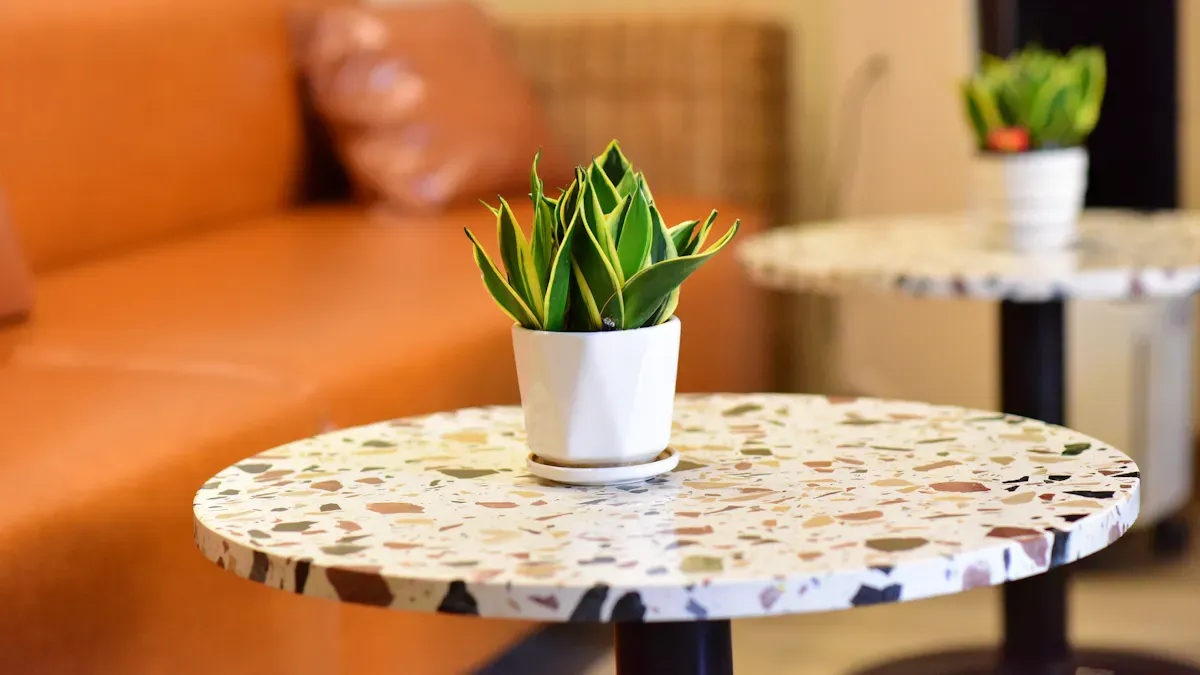
Epoxy and precast terrazzo tiles changed how people use terrazzo today. Epoxy terrazzo is the most popular type now. Builders like epoxy because it is tough and looks nice. Precast terrazzo tiles are made before they get to the job site. This saves time and keeps the work area cleaner. These new ways make terrazzo easier to use in many places.
- Epoxy terrazzo works in homes and businesses.
- Cement-based terrazzo is getting more popular as people want greener choices.
- More people pick epoxy terrazzo instead of old styles.
Epoxy terrazzo lets workers make thinner floors and finish faster. This is good for busy places like schools, hospitals, and offices. Precast tiles come in many shapes and sizes. Designers have more choices for their projects.
Sustainability and Green Practices
Recycled Materials and LEED Standards
Modern terrazzo tile makers care about the planet. They use recycled things like glass, porcelain, and beer bottles. This helps cut down on trash and supports green building. Some companies use special epoxy resins like Terroxy instead of cement. This change helps lower pollution when making terrazzo.
- Many terrazzo products now have GREENGUARD GOLD for low chemicals.
- These products help buildings earn LEED points for being green.
- Using recycled materials makes terrazzo better for the earth.
Venetian terrazzo showed how to reuse leftover pieces. Today, terrazzo keeps this idea with new technology and better rules.
Contemporary Interior Design
Popular Colors and Customization
Modern terrazzo tile design gives lots of choices. Epoxy terrazzo can be made in any color, from soft to bright. Designers can match colors by sending a sample or picking from a chart. There are many types of aggregates, like marble, granite, glass, mirror, shell, and even metal or plastic chips.
- Epoxy terrazzo lets designers make special looks.
- Custom colors help match any style or brand.
- Aggregates add shine and texture to floors.
These choices make terrazzo popular in new homes and public places. People can pick patterns and colors they like best.
guiyi’s Signature Collections
guiyi is a leader in modern terrazzo tile design. The company has special collections with many colors and finishes. guiyi’s tiles work in homes and businesses. Their collections use recycled materials and meet green standards. Designers trust guiyi for good quality and style.
Modern terrazzo tile trends show how old ideas and new ones mix. Today’s terrazzo fits many styles and helps make a greener world.
The Enduring Evolution of Terrazzo
Timeless Appeal
Tradition Meets Innovation
Terrazzo has lasted a very long time in design. People have used it for hundreds of years. It still gives designers new ideas today. Terrazzo works well in both old and new spaces. If you look on Instagram, you will find many terrazzo posts. There are almost half a million posts about terrazzo. These show terrazzo as floors, furniture, and even art. This shows terrazzo can fit many different styles.
Simpolo’s terrazzo tiles look smooth and simple. They are strong and good for busy places. This makes them smart for both old and new rooms. In 2017, Pinterest saw more people searching for terrazzo. Pinterest said terrazzo would be a big trend in 2018. They were right, because terrazzo is still popular now.
Designers keep finding new ways to use terrazzo. They mix old ways with new technology. This helps terrazzo stay cool and interesting. You can see terrazzo in schools, offices, and homes. Its beauty and strength make it a favorite for many people.
Future of Terrazzo Tiles
Emerging Technologies and Creative Uses
The future looks good for terrazzo. Experts think the tile and terrazzo market will grow a lot. It could go from $95.66 billion in 2024 to $101.88 billion in 2025. By 2029, it might reach $133.57 billion. This is because of new materials, cool designs, and more people living in cities. New things like 3D printing and smart features will change how terrazzo is made. Companies now make terrazzo with better grip and germ-fighting features. This makes terrazzo safer and more useful.
Designers use terrazzo in fun and new ways. They use bigger stone pieces and bold shapes for cool looks. These styles help rooms look special and different. Terrazzo is not just for floors anymore. The table below shows where people use terrazzo:
| Application Area | Description |
|---|---|
| Bathrooms | Soft patterns with light colors for a clean look. |
| Kitchens | Used for floors, backsplashes, and counters, matching other surfaces. |
| Commercial Spaces | Strong and useful, great for busy places like stairs and doors. |
| Outdoor Areas | Terrazzo-look tiles help connect inside and outside spaces. |
Designers try different styles, like simple looks with small chips, Mediterranean styles with warm colors, and bold looks with big pieces. These ideas show terrazzo can match many tastes and needs.
Terrazzo keeps changing, mixing old ways with new ideas. Its future will bring even more cool changes to design.
Terrazzo started in Italy more than 500 years ago. Venetian workers made floors using leftover marble pieces. Terrazzo came to America in the late 1890s. Divider strips made terrazzo stronger and more popular. The National Terrazzo and Mosaic Organization began in 1931. Designers like terrazzo because it is tough and flexible. Terrazzo is also good for the planet. People think terrazzo tiles are like art. You can find them in places from pompeii to new homes. Brands like guiyi give advice and eco-friendly choices. Terrazzo works in many rooms and sparks new ideas.
| Quality | Description |
|---|---|
| Resilience | Terrazzo does not chip or scratch easily. It is great for busy spots. |
| Versatility | Terrazzo matches many styles, like simple or beach themes. |
| Sustainability | Terrazzo uses recycled things and lasts a long time. |
Designers say terrazzo is beautiful and strong. Homeowners can enjoy its old history and new style.
FAQ
What is terrazzo made of?
Terrazzo has marble, glass, or stone chips in cement or epoxy. Workers polish the floor until it shines. This mix makes floors strong and colorful.
How long does terrazzo flooring last?
Terrazzo floors can last more than 100 years. Many old buildings still have their original terrazzo floors. Good care keeps terrazzo looking nice for a long time.
Can terrazzo tiles be used outdoors?
Yes, terrazzo tiles can be used outside. Builders use sealers to protect them from rain and sun. Outdoor terrazzo is found on patios, walkways, and pool areas.
Is terrazzo eco-friendly?
Many terrazzo products use recycled glass or stone. Some meet green building rules like LEED. Terrazzo lasts a long time, so it makes less waste.
How do you clean terrazzo tiles?
Clean terrazzo with a soft mop and mild soap. Do not use harsh chemicals. Sweep often to keep dirt away. This care keeps terrazzo looking new.
Can terrazzo tiles be customized?
Designers can pick colors, patterns, and chip sizes. Some companies, like guiyi, make custom terrazzo collections. This lets people have unique floors.
Why do designers like terrazzo?
Designers like terrazzo because it is pretty, strong, and flexible. It fits many styles, from classic to modern. Terrazzo lets designers use creative patterns and bold colors.
Does terrazzo need special maintenance?
Terrazzo needs little care. Sealing protects it from stains. Regular cleaning keeps it bright. Most terrazzo floors only need resealing every few years.