
You see UHPC Construction Materials changing modern interior design. With UHPC, you can make thin and complex shapes. You can also create special textures and bright colors that stay bright. This material is very strong and can bend without breaking. It also handles pressure well. As a designer or interior designer, you get a green and light choice for your ideas. UHPC lets you mix terrazzo, glass, and metal. This gives you new ways to be creative with building materials. Think about how these features can change the spaces you design.
Key Takeaways
- UHPC lets people make new designs with thin shapes and bright colors. This helps people be more creative in inside spaces.
- This material is very strong. It can handle pressure up to 35,000 psi. This means builders can make strong and light buildings.
- UHPC does not get damaged by water, stains, or chemicals. This makes it great for busy places that need little cleaning.
- Designers can change UHPC panels with different textures, colors, and finishes. This helps make special and one-of-a-kind projects.
- UHPC panels are light. This makes them easy to put in place. Builders do not need heavy supports.
- UHPC works well with other materials like glass and metal. This gives many choices for design and looks.
- Using UHPC can save money over time. It lasts a long time and does not need much care.
- Working with UHPC experts can make projects better. They help pick the best materials and ways to build.
UHPC Construction Materials in Interior Design
What Is UHPC?
Ultra-high-performance concrete, or UHPC, is a new kind of building material. You can use UHPC construction materials to make shapes that regular concrete cannot. This material mixes cement, fine sand, silica fume, and special additives. The result is a strong, thick, and easy-to-shape product. As a designer or interior designer, you get a material that works for both structure and art. UHPC construction materials let you make thin, light panels or bold, creative pieces. You can also use them in adaptive reuse projects, mixed-use buildings, and commercial construction with confidence.
Key Properties of UHPC
UHPC construction materials are known for being very strong and lasting a long time. You can see the difference in these numbers:
| Type of Concrete | Compressive Strength (psi) |
|---|---|
| UHPC | Up to 35,000 |
| Standard Concrete | 3,000 – 5,000 |
This strength lets you design thinner panels and more daring shapes. UHPC also bends well, so your designs do not crack easily. Its tight structure keeps out water and chemicals, making it great for interior design that needs to last. You do not have to worry about freeze-thaw damage or problems from moisture. UHPC construction materials help old spaces last longer by making reuse easier.
You can pick from many products, like terrazzo (terrazzo), mosaic, recycled terrazzo, UHPC cement boards, and UHPC blocks. Each one has high artistic value and can be shaped in many ways. Their flexibility lets you make custom textures, patterns, and colors. As a interior designer, you can mix these materials with glass or metal for cool effects.
Tip: UHPC construction materials need less care than regular concrete. You save time and money during your project.
Why Choose UHPC for Interiors?
You should think about using ultra-high-performance concrete for your next inside project. UHPC construction materials give you:
- Great strength, so your designs last longer and look good.
- High resistance to water, stains, and chemicals, which is good for busy places.
- Lower care costs, so you can spend more time being creative.
- A green choice for adaptive reuse and mixed-use buildings, helping the environment.
- More freedom to create, because the material is easy to shape and works with other materials.
UHPC construction materials help you try new things in interior design. You can make bold walls, detailed mosaics, or smooth terrazzo surfaces. Whether you work on a big commercial job or a small reuse project, UHPC helps you bring your ideas to life.
Artistic Potential of UHPC
Freedom of Form
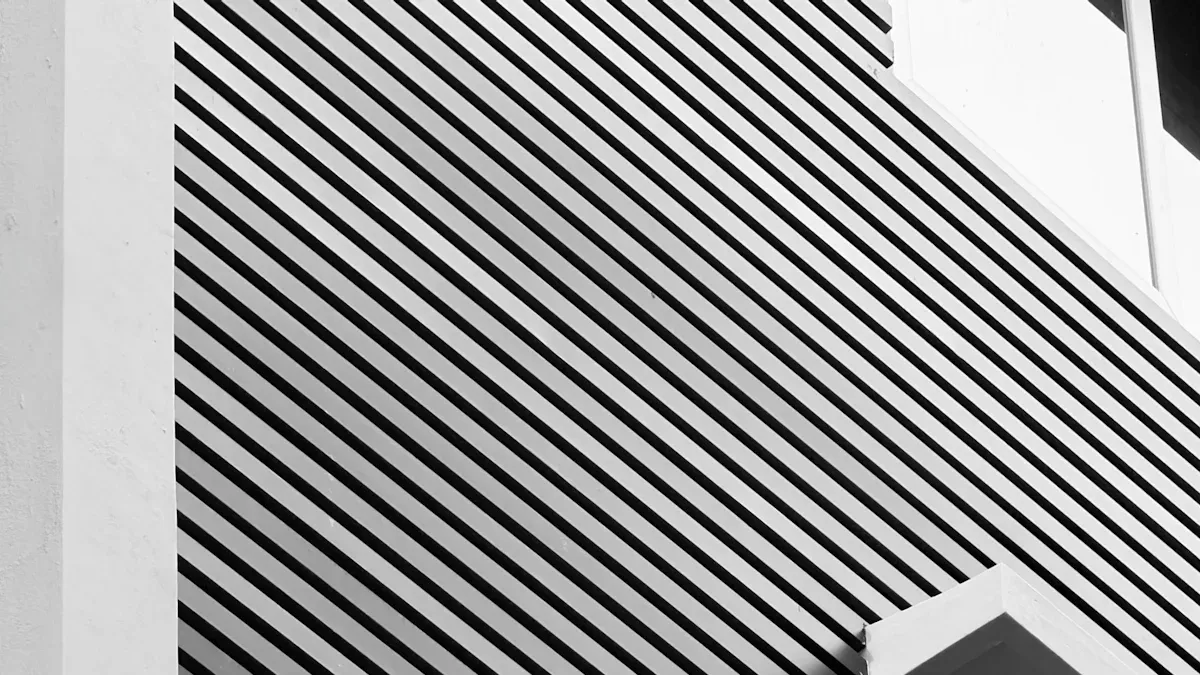
UHPC lets you try new ideas in design. You can shape walls and panels in ways that other materials cannot. As a designer or interior designer, you can make curves, sharp corners, or natural shapes. UHPC is easy to mold, so you can make 3D tiles and special wall designs. You do not have to worry about the limits of regular concrete. You can use your imagination and create something special.
Texture and Detail
UHPC is great for showing small textures and tiny details. You can make surfaces that look like stone, wood, or fabric. Many architects pick UHPC because it lets them:
- Shape it into many forms and finishes for more design choices.
- Make smooth surfaces that are easy to color and add texture.
- Create thin, detailed pieces that stay strong.
- Copy the look of natural concrete with cool patterns and 3D shapes.
- Use very thin pieces (15 to 20mm), while regular concrete needs to be much thicker (80 to 100mm).
- Make sharp lines and clear details in their work.
- Keep surfaces looking good for many years with little care.
You can use these features to make special walls, terrazzo (terrazzo) mosaics, or panels that people want to touch. UHPC helps you give any room more style and interest.
Color and Customization
You have lots of choices to change how your project looks. UHPC panels come in many colors and textures. You can match your ideas, whether you want something bright or something soft. Many famous buildings use UHPC for hard and tricky wall designs. You can change curtain wall panels with different looks, colors, and finishes. This makes it easy to create new and eye-catching building fronts.
- UHPC panels come in many colors and textures.
- You can change them for a modern or special look.
- Curtain wall panels can have many different finishes.
- You can pick from lots of textures, colors, and finishes.
As a interior designer, you can mix UHPC with glass or metal. This gives you more ways to show your style and help your clients.
Thin Profiles and Lightweight Panels
When you use thin UHPC panels, your projects look modern. These panels help you make smooth surfaces that are not heavy. You do not have to worry about adding too much weight to a room. As a designer or interior designer, you can design bold features. You do not need to think about heavy walls or big loads.
UHPC panels can be as thin as 7 inches. Most projects only need 8 inches for strength. This thinness makes panels easy to handle and install. Lighter panels are simple to move and lift. You can fit them into place without much trouble. This saves time and lowers the cost of labor. You also get more space inside because the panels are slim.
- Thin panels make your walls and ceilings lighter.
- You can put up big panels with less support.
- The slim shape helps you join surfaces smoothly.
- You can use UHPC for curved walls, 3D tiles, and terrazzo (terrazzo) mosaics.
Note: Thin UHPC panels help you reach design and safety goals. You get strong, modern surfaces that look nice and last long.
Integration with Other Materials
UHPC works well with many other materials. You can mix it with glass, metal, wood, or stone. This lets you make cool and different designs. You can show your creativity and meet what your clients want.
Kulmbach Hospital in Germany is a good example. The architects used UHPC backer panels to hold eight flat limestone panels. This made putting them up faster and safer. It also helped stop the stone from breaking. You can use ideas like this in your own work. You can mix UHPC with other materials for beauty and strength.
- Use UHPC with glass for bright spaces.
- Mix UHPC and metal for a modern look.
- Use UHPC as a strong base for stone or wood.
- Mix UHPC with terrazzo (terrazzo) for color and texture.
As a interior designer or designer, you can use UHPC to try new things. This material fits your ideas and works with other building materials. You can make spaces that look special and last a long time.
8 Stunning UHPC Facades
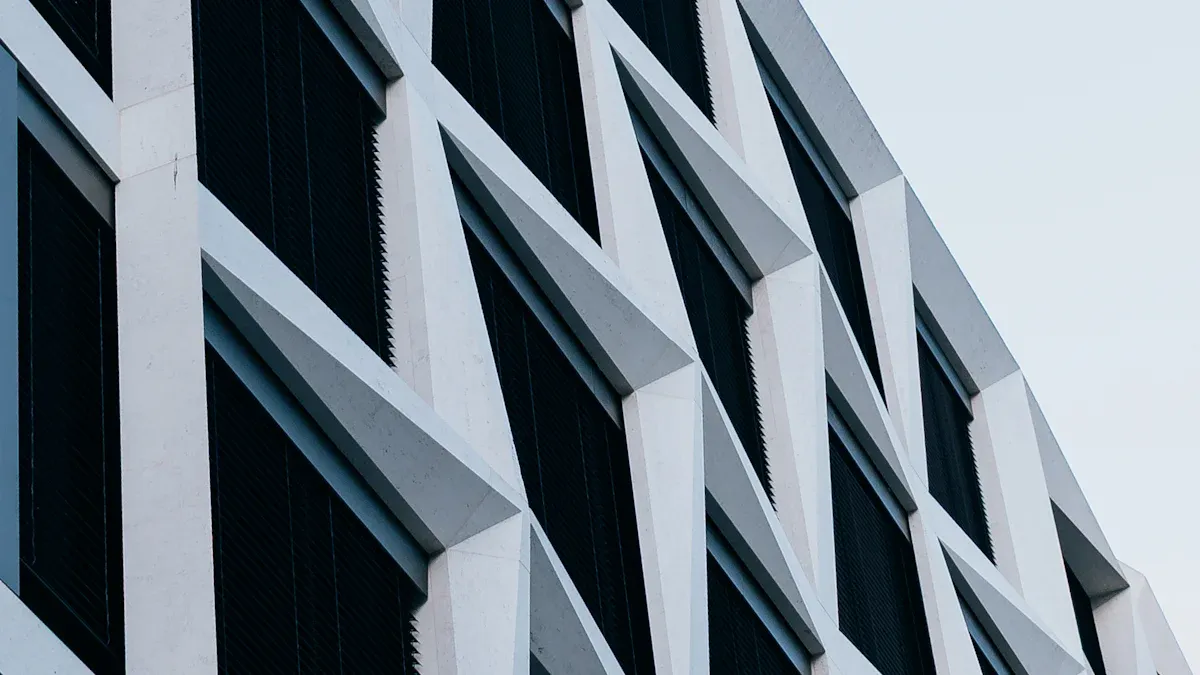
Sculpted Wave Wall, New York
Fluid Geometry
You step into a lobby in New York and see a wall that moves like water. The Sculpted Wave Wall uses UHPC facade panels to create a flowing, organic shape. You notice how the panels curve and twist, forming a sense of movement. As a designer, you can use UHPC to make shapes that regular building materials cannot achieve. The thinness of the panels lets you design bold curves without adding extra weight. You get a wall that looks light but feels strong.
Light Interaction
The surface of this wall catches light in different ways throughout the day. Sunlight and indoor lighting create shadows and highlights on the UHPC facade panels. You see how the texture changes as you move around the space. This effect makes the room feel alive. As an interior designer, you can use UHPC to play with light and shadow, giving your projects a dynamic look. The wall becomes more than a divider; it becomes a piece of art.
Minimalist Ribbon, Tokyo
Continuous Flow
In Tokyo, you find a space where a single UHPC ribbon runs along the wall and ceiling. The facade panels connect in a smooth, unbroken line. You see how the panels bend gently, guiding your eyes through the room. This design uses UHPC’s flexibility to create a sense of movement and unity. As a designer, you can use this technique to make spaces feel larger and more open. The panels fit together perfectly, showing the precision possible with UHPC.
Space Enhancement
The Minimalist Ribbon does more than look good. It helps shape the room. The thin UHPC facade panels take up little space, so you get more usable area. You can use this approach in offices, hotels, or homes. The panels reflect light, making the room feel brighter. You can also combine UHPC with terrazzo or glass for extra texture and color. This design shows how UHPC can help you create modern, efficient spaces.
Botanical Relief, Paris
Nature Patterns
You walk into a Paris gallery and see a wall covered in leaves and flowers. The Botanical Relief uses UHPC facade panels to show detailed nature patterns. Each panel has raised shapes that look like real plants. As a interior designer, you can use UHPC to copy the look of nature with high detail. The panels stay thin and light, but the patterns stand out. You can use this idea to bring the outdoors inside.
Calming Effect
The soft shapes and natural patterns make the space feel calm. Visitors feel relaxed as they look at the wall. You can use UHPC to create peaceful areas in busy places. The panels resist stains and wear, so they stay beautiful for years. You can mix UHPC with other building materials, like wood or stone, to add warmth. This facade shows how UHPC helps you design spaces that feel both modern and welcoming.
Industrial Mosaic, Berlin
Modular Panels
You walk into a creative workspace in Berlin. The walls catch your eye with a bold, geometric pattern. The Industrial Mosaic uses modular panels made from uhpc. Each panel fits together like a puzzle. You see a mix of shapes, sizes, and colors. This design gives you freedom to create endless combinations. As a designer, you can use these panels to build a wall that tells a story. The panels stay thin and light, so you can cover large areas without heavy support.
You can choose different finishes for each module. Some panels look smooth and modern. Others show off rough textures or terrazzo (terrazzo) chips. You can even add recycled materials for a sustainable touch. The modular system lets you swap out panels if you want a new look. This flexibility makes the Industrial Mosaic perfect for offices, galleries, or retail spaces.
Tip: Use modular uhpc panels to create a custom wall that matches your brand or project theme.
Urban Expression
The Industrial Mosaic brings the energy of Berlin’s streets inside. You see how the design reflects the city’s mix of old and new. The panels show off bold lines and strong colors. You can use uhpc to add graffiti-inspired graphics or metallic effects. This gives your space an urban edge.
As an interior designer, you can use this facade to make a statement. The panels resist stains and scratches, so they stay beautiful even in busy areas. You can combine uhpc with other building materials like glass or metal for more contrast. The result is a wall that feels alive and always changing.
Monolithic Partition, San Francisco
Structural Elegance
You enter a modern office in San Francisco. A single, sweeping partition divides the space. The Monolithic Partition uses uhpc to create a seamless wall with no joints. You see clean lines and a smooth surface. The wall stands tall and strong, but it looks light and elegant. As a designer, you can use uhpc to build partitions that do not need extra framing.
The partition can curve or angle to fit your layout. You can choose a matte finish for a soft look or a polished surface for more shine. The thin profile saves space and lets in more light. You get a modern, open feel without losing structure.
Privacy & Acoustics
The Monolithic Partition does more than divide a room. It helps control sound and gives privacy. The dense uhpc blocks noise between work zones or meeting rooms. You can add texture or perforations for better acoustics. As an interior designer, you can design quiet spaces even in busy offices.
You can also use the partition as a display wall. Add terrazzo (terrazzo) inlays or custom graphics to show your brand. The surface cleans easily and resists wear. This makes it a smart choice for high-traffic areas.
Note: Use uhpc partitions to balance openness and privacy in your next project.
Light-Infused Screen, Dubai
Perforation Techniques
You step into a hotel lobby in Dubai. Sunlight streams through a wall of intricate patterns. The Light-Infused Screen uses uhpc panels with laser-cut perforations. You see how the holes form geometric shapes or flowing designs. As a designer, you can control the size and layout of each opening. This lets you shape the light in your space.
You can pick from many patterns, from traditional Arabesque to modern abstract. The panels stay thin and strong, even with many cutouts. You can also add color or metallic finishes for extra drama.
Daylight Play
The Light-Infused Screen turns sunlight into art. As the sun moves, the patterns shift across the floor and walls. You get a dynamic, ever-changing effect. As an interior designer, you can use this facade to bring natural light deep into a building.
The panels block heat and glare but let in soft, filtered light. You can use uhpc with other building materials like glass to create layered effects. The screen also gives privacy without closing off the space. This makes it perfect for hotels, offices, or luxury homes.
Tip: Use perforated uhpc panels to create stunning light effects and improve comfort in your interiors.
Textured Canvas, London
Custom Artistry
When you walk into a gallery in London, you see a wall that looks like a huge piece of art. The Textured Canvas uses uhpc panels as a special surface for design. As a designer, you can make each panel with different patterns, brush marks, or even raised shapes. You get to pick how rough or smooth the wall feels. The wall can look like cloth, stone, or even wild art. This lets you turn a plain wall into something amazing.
You can put terrazzo (terrazzo) chips or colored stones into the panels. This makes the wall look rich and layered. You can also use colors to match any style you want. As an interior designer, you can work with artists to make custom panels for each project. The panels are thin and light, so you can cover big walls without heavy support.
Tip: Make your own molds to create special textures that show your brand or tell the story of the space.
Gallery Focal Point
The Textured Canvas becomes the main thing people notice in the room. Visitors stop and look closely at all the details. The wall makes people want to touch it. You can use lights to show off the textures and make cool shadows. This makes the room feel lively and exciting.
You can use uhpc to make panels that do not stain or scratch easily. This keeps the wall looking new, even in busy galleries or public places. You can also mix uhpc with other building materials like glass or metal for more contrast. The wall ends up looking modern and classic at the same time.
- Make your gallery special with a custom uhpc wall.
- Use texture, color, and light to give every visitor a new experience.
- Pick materials that last long and need little care.
Heritage Facade, Barcelona
Old Meets New
When you visit an old building in Barcelona, you see a facade that mixes old and new styles. The Heritage Facade uses uhpc panels to copy classic details from the city’s famous buildings. As a designer, you can make the panels look like carved stone, brick, or tile. You can also add new things, like bright colors or bold shapes. This mix gives the building a fresh look.
You can use uhpc to fix broken parts of an old facade. The panels look like the original but are stronger and last longer. As an interior designer, you help save the city’s history while making sure the building is safe and works well today.
Note: Use digital tools to scan and copy old details very accurately.
Modern Craft
The Heritage Facade shows how new skills can honor old ways. You can use special molds and casting to make panels with sharp lines and deep shapes. You can also add terrazzo (terrazzo) or mosaic pieces for more color and texture. The panels are thin and light, so you can put them on old buildings without making them too heavy.
You can mix uhpc with other building materials, like metal frames or glass windows. This makes a facade that looks old but works like a new building. The panels do not get damaged by weather, stains, or dirt. This keeps the facade looking nice for many years.
- Fix old buildings with uhpc panels that look like the original.
- Add new designs to mix the past and present.
- Pick materials that protect history and work for today.
As a designer or interior designer, you can use uhpc to tell new stories with old buildings. You help cities grow and still respect their history.
Design Tips for UHPC Interiors
Assess Space and Function
Before you start your project, look closely at the space you want to transform. Think about how people will use the area. Will it be a busy lobby, a quiet office, or a creative gallery? Each space has different needs. As a designer or interior designer, you must decide if you want a bold feature wall, a textured partition, or a smooth terrazzo (terrazzo)surface. Measure the area and check the lighting. Notice where people walk and gather. This helps you choose the right uhpc panels and shapes. You can use thin panels for small rooms or large, sculpted pieces for open spaces. Always match the function of the space with your design ideas.
Tip: Make a simple sketch of your space. Mark the places where you want to use uhpc. This helps you plan better and avoid mistakes.
Collaborate with UHPC Experts
You do not have to work alone. Many projects need special skills to shape and install uhpc. Work with experts who know this material well. They can help you pick the best mix, color, and finish. They also know how to make molds for custom shapes. As a designer or interior designer, you can share your ideas and get advice on what is possible. Experts can show you samples and past projects. They can also help you solve problems with weight, support, or joining uhpc with other building materials like glass or metal.
- Ask for samples before you decide.
- Visit a factory or workshop to see how uhpc panels are made.
- Talk to installers about the best way to fix panels to walls or ceilings.
Note: Good teamwork leads to better results and fewer surprises during your project.
Explore Customization
UHPC gives you many ways to make your project unique. You can choose from many colors, textures, and finishes. You can add patterns, logos, or even art to the panels. Some designers use terrazzo (terrazzo) chips or colored stones for extra style. As a interior designer, you can work with artists or craftspeople to create custom molds. This lets you make panels that tell a story or match your brand.
- Try different surface finishes, like matte, polished, or textured.
- Mix uhpc with other building materials for a modern look.
- Use digital tools to design patterns or shapes before making molds.
Tip: Customization helps your project stand out and gives your clients something special.
Balance Aesthetics and Performance
You want your project to look nice and work well. As a designer or interior designer, you need to mix style and function. UHPC gives you lots of choices for both. You can make bold shapes, thin panels, and detailed surfaces. At the same time, you get strong building materials that last a long time.
Think about how people will use the space. If you design a busy lobby, you need surfaces that do not stain or scratch. For a quiet gallery, you might want soft textures and custom art. UHPC lets you pick from many finishes, colors, and patterns. You can add terrazzo (terrazzo) chips for more style or use smooth panels for a modern look.
How well something works is as important as how it looks. UHPC panels stay strong even when they are thin. They do not get damaged by water, chemicals, or daily use. You can use them in places where other materials might not work. This means you do not have to pick between beauty and strength. You can have both at the same time.
Tip: Try out different finishes and colors in your space before you decide. This helps you see how light and use will change your design.
Consider Maintenance
You want your project to last and stay nice without much work. UHPC makes this easy. It needs less care than regular building materials and stays pretty for longer. This saves you time and money over the years.
Here is a quick look at how UHPC compares to other materials:
| Aspect | UHPC Facades | Traditional Materials |
|---|---|---|
| Maintenance Needs | Low maintenance requirements | Higher maintenance needs |
| Durability | High durability, long-lasting | Varies, generally less durable |
| Cost Implications | Long-term cost savings | Potentially higher long-term costs due to maintenance |
UHPC might cost more at first. But it lasts longer, so you spend less fixing and cleaning it. Over time, you save money because you do not have to repair it as much. You also do not have to worry about cracks, fading, or water damage like with other materials.
- UHPC needs less care than traditional materials.
- UHPC lasts longer and can save money in busy places.
As a designer or interior designer, you can tell your clients that UHPC keeps their spaces looking new. You spend less time fixing things and more time being creative. This makes UHPC a smart pick for modern interiors.
You have seen how uhpc transforms interiors with both beauty and strength. Each of the 8 facades shows what you can achieve as a designer or interior designer using modern building materials. Let these examples inspire you to try new ideas with uhpc in your own projects. For the best results, consult with uhpc specialists or research more about terrazzo and other creative options.
FAQ
What makes UHPC different from traditional concrete?
UHPC uses special mixes and extra ingredients. It is much stronger than regular concrete. It lasts longer and lets you make more shapes. As a designer or interior designer, you can design thin, light panels. You can also add cool textures and shapes.
Can I use UHPC panels with other building materials?
Yes, you can mix UHPC with glass, metal, wood, or terrazzo (terrazzo). This gives you more ways to be creative. You can make modern looks that stand out in any room.
How do I maintain UHPC facades?
UHPC is easy to take care of. You just clean the panels with soap and water. The material does not stain, scratch, or fade easily. This makes it great for busy places and projects that last a long time.
Is UHPC a sustainable choice for interior design?
Choosing UHPC helps the planet. The panels last a long time and do not need to be replaced often. Many UHPC products use recycled stuff. This cuts down on waste and helps green building plans.
Can I customize the color and texture of UHPC panels?
You have lots of choices for color, finish, and texture. You can match your brand or project style. You can use custom molds to add patterns, logos, or terrazzo (terrazzo) chips for a special look.
Who should I consult when planning a UHPC project?
Talk to UHPC experts, suppliers, and skilled installers. As a designer or interior designer, you get good advice about mixes, panel shapes, and how to put them in.
Where can I use UHPC facades in interiors?
You can use UHPC for walls, room dividers, ceilings, and even furniture. The panels work well in offices, hotels, galleries, and stores. You get both beauty and strength wherever you use them.
Does UHPC cost more than traditional building materials?
UHPC might cost more at first. But you save money later because the panels last longer and need less care. This makes UHPC a smart choice for busy or fancy spaces.
Pingback: Modern Terrazzo Trends Designers Are Loving Right Now - guiyinet.com