
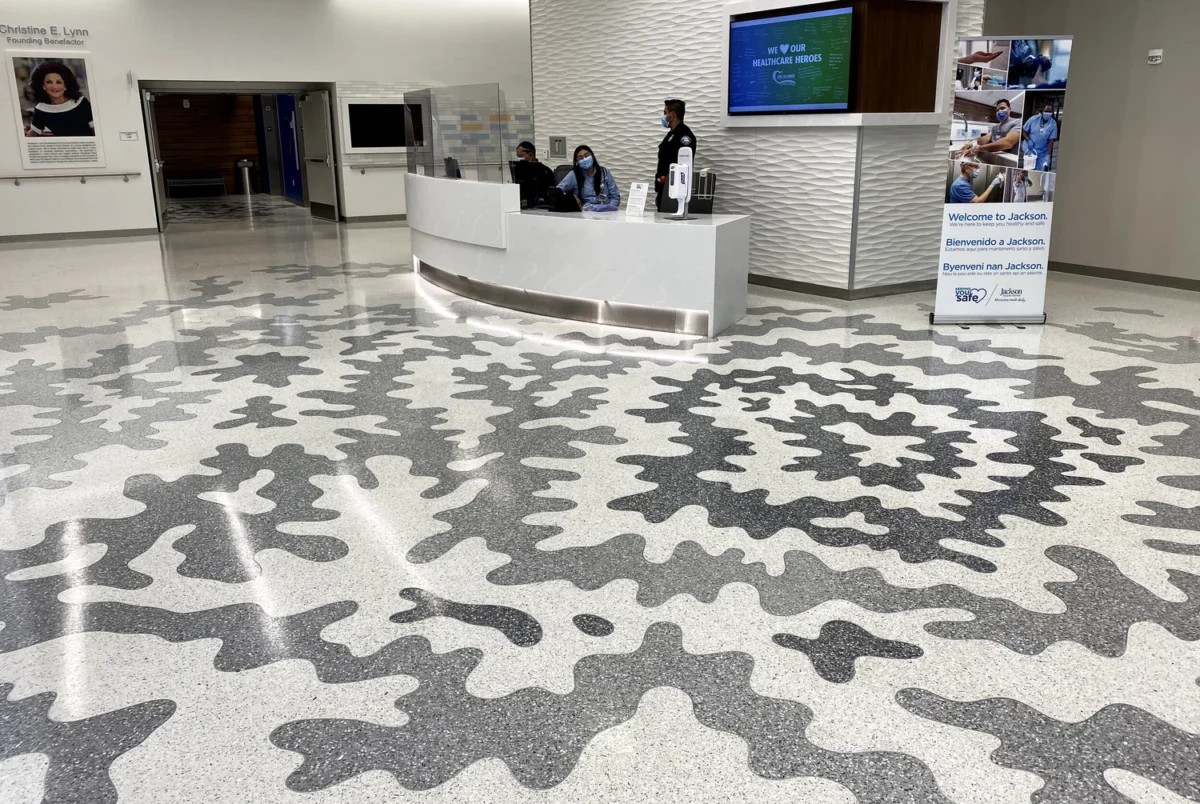
You want your hospitals to be very clean and safe for patients. Terrazzo flooring gives you a smooth surface with no cracks or holes. This stops bacteria from getting in and helps control infections. Vinyl and tile are not as easy to clean as terrazzo flooring. Terrazzo flooring only needs simple cleaning and saves money over time. Some hospitals save millions of dollars in many years. You also make the hospital cleaner, quieter, and more welcoming for healing. Trust G·ONE to give you good terrazzo flooring for your hospital.
Key Takeaways
- Terrazzo flooring has no seams and is not porous. This stops bacteria and germs from hiding. It helps keep hospitals clean.
- Terrazzo flooring is easy to clean. This saves time and lowers the cost to take care of it. That makes it a smart choice for hospitals.
- Terrazzo flooring is strong and lasts a long time. It can handle lots of people walking on it. It lasts longer than vinyl or tile. This means hospitals spend less money over time.
- Terrazzo flooring can have different designs. These designs can help patients feel calm. They also help people find their way in the hospital.
- Terrazzo flooring uses materials that are good for the earth. This helps hospitals reach their green goals. It also makes the air inside better and creates less trash.
Hygiene and Antimicrobial Surfaces in Hospitals

Seamless and Nonporous Terrazzo Flooring
Hospitals must be clean and safe for everyone. Terrazzo flooring has no cracks or lines. This stops bacteria, mold, and mildew from hiding. Germs cannot grow in hidden spots. The smooth surface blocks bacteria from spreading. Many hospitals pick terrazzo flooring to keep patients and staff healthy.
- Terrazzo flooring helps keep things sanitary.
- Its nonporous surface stops bacteria from spreading.
- The seamless design gives germs fewer places to hide.
Terrazzo flooring is a smart way to control infections in hospitals.
Antimicrobial Benefits for Infection Control
Hospitals need strong infection control everywhere. Antimicrobial surfaces help stop germs from spreading. Terrazzo flooring can have antimicrobial additives. These additives fight bacteria and other bad microbes. Using terrazzo flooring lowers infection risks for patients and staff.
Note: Terrazzo flooring resists bacteria. Its seamless design gives germs fewer places to hide. This helps your infection control.
Here is a quick comparison to show the difference:
| Feature | Terrazzo Flooring | Vinyl/Tiles |
|---|---|---|
| Seamless Surface | Yes | No (grout lines and seams present) |
| Impervious to Moisture | Yes | No |
| Antimicrobial Properties | Yes (can incorporate additives) | Limited (depends on surface) |
| Risk of Pathogen Accumulation | Low (no seams) | High (grout lines and seams) |
Terrazzo flooring protects against germs better. It helps infection control in hospitals.
Easy Cleaning and Disinfection
Cleaning should be simple and work well. Terrazzo flooring makes cleaning easy. Its nonporous surface does not trap dirt or spills. You can sweep and mop it quickly. A neutral pH cleaner keeps it looking new. This saves time and effort when cleaning.
- Terrazzo flooring needs daily sweeping and damp mopping.
- You can use an auto-scrubber once a week or every two weeks.
- The smooth surface makes cleaning fast and thorough.
Terrazzo flooring does not need waxing. This avoids extra steps that can trap bacteria. It helps keep your hospital clean and safe. Terrazzo flooring supports hygiene and cleanliness every day.
Durability and Longevity of Terrazzo Flooring
Withstanding Heavy Hospital Traffic
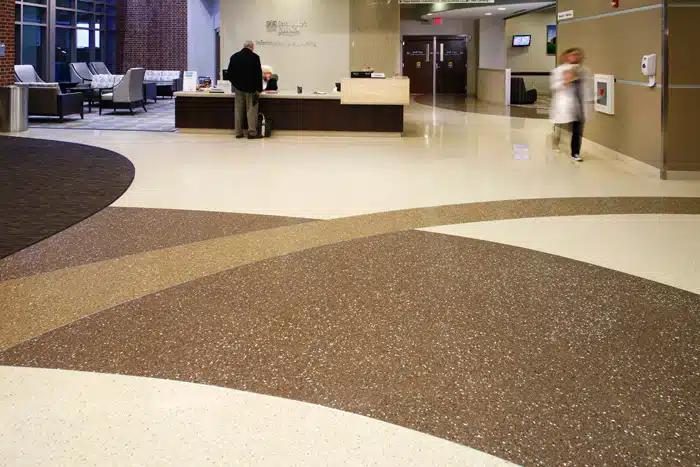
Many people walk in hospitals every day. Hospital floors need to be strong. They must handle beds, carts, and lots of feet. Terrazzo flooring does not crack or wear out fast. It works well in busy places like waiting rooms. You can use it in operating rooms too. Good installation is important. Skilled workers make the floors last longer.
Tip: Pick skilled installers for terrazzo floors. This helps your hospital floors last many years.
Resistance to Wear and Chemicals
Hospital floors need to stand up to spills and cleaning. Staff use strong cleaners and sometimes spill chemicals. Terrazzo flooring has a surface that does not let liquids in. Harsh cleaners do not cause stains or damage. You can clean up spills fast. Vinyl floors also resist chemicals but have seams. These seams can trap bacteria. Tile floors are strong but do not resist chemicals as well as terrazzo. Terrazzo flooring helps keep the hospital safer and cleaner.
Long-Term Value Compared to Vinyl and Tile
You want your floors to last a long time. Terrazzo flooring gives you great value over many years. It lasts much longer than vinyl or tile. Here is a chart to compare:
| Flooring Type | Average Lifespan |
|---|---|
| Terrazzo | 75+ years |
| Ceramic Tile | 20–30 years |
| Luxury Vinyl | 10–20 years |
You spend less money fixing terrazzo floors. Sweeping and mopping keep them looking nice. You only need to reseal them sometimes. Vinyl and tile need more repairs and cleaning. This costs more over time. If terrazzo gets damaged, you can fix it without replacing everything. Terrazzo is a smart choice for hospitals. It is strong, lasts long, and saves money.
Maintenance and Cost-Effectiveness
Simple Maintenance Needs
You want floors that are easy to care for every day. Terrazzo flooring gives you a smooth surface that does not trap dirt. You can sweep and mop it without much effort. You do not need to wax or polish it often. This saves you time and money. Many cleaning teams like terrazzo because it helps them finish their work faster.
Tip: Use a neutral cleaner and a damp mop to keep your floors looking bright and clean.
You can count on terrazzo flooring to stay strong and beautiful with simple care.
Lower Lifecycle Costs
Choosing the right floor saves you money over time. Terrazzo flooring costs less to maintain each year than vinyl or carpet. Here is a quick look at yearly costs:
| Flooring Type | Annual Cost per Sq. Ft. |
|---|---|
| Epoxy Terrazzo | $0.80 |
| Vinyl Sheet | $1.57 |
| Carpet | $1.65 |
You spend less on terrazzo because it does not need many repairs. Vinyl and tile floors often need more work and cost more in the long run. Over 20 years, the cost of keeping vinyl floors clean and in good shape can be higher than what you paid to install them. Terrazzo’s tough, nonporous surface resists stains and damage. You get a floor that lasts a lifetime with proper care.
Minimizing Downtime in Hospitals
You want your hospital to stay open and safe for patients. Terrazzo flooring helps you avoid long shutdowns for repairs. You can fix small spots without closing large areas. Cleaning is quick, so you do not need to block off rooms for long. Low-maintenance floors like terrazzo keep your hospital running smoothly. Patients and staff enjoy clean, safe spaces every day.
Safety and Design Flexibility
Slip Resistance for Patient Safety
You want everyone in the hospital to feel safe. Terrazzo flooring helps stop slips and falls. This is important where water or spills might happen, like entrances or halls. You can pick terrazzo with special finishes for more grip. These finishes make things safer for patients, visitors, and staff. Using terrazzo lowers the chance of accidents. It also helps your hospital follow safety rules.
Tip: Ask your flooring company about slip-resistant terrazzo for wet areas.
Custom Designs for Hospitals
You can make your hospital look special with terrazzo flooring. Terrazzo lets you choose colors, patterns, and even logos. You can match your hospital’s style or make calm designs for waiting rooms. Many hospitals use terrazzo to show directions or mark areas. This helps people find their way and feel less worried. You get a floor that looks good and works well.
Here are some ways terrazzo helps your hospital’s design:
- Put your hospital logo at the entrance.
- Use color zones to guide patients.
- Make fun patterns for kids’ areas.
Enhancing Patient Experience
You want patients to feel safe and comfortable. Terrazzo flooring helps you make a quiet and friendly space. The smooth surface cuts down noise from carts and feet. Patients can rest better in a calm place. Bright colors and nice designs can make people feel happier. You also show you care about safety by picking a floor that protects everyone. When you focus on safety and design, you make the patient experience better.
| Feature | Benefit for Patients |
|---|---|
| Slip resistance | Fewer falls, more safety |
| Custom designs | Less stress, easy wayfinding |
| Quiet surface | Better rest, less noise |
You can trust terrazzo flooring to help keep every part of your hospital safe and comfortable.
Sustainability and Environmental Impact
Eco-Friendly Materials in Terrazzo Flooring
You want your medical centers to use safe and green materials. Terrazzo flooring uses recycled glass and stone. These materials help protect the earth. Many medical centers pick terrazzo because it does not need strong chemicals for cleaning. You can keep your healthcare spaces clean with just water and a mild cleaner. This helps the environment and keeps your medical centers safe for everyone.
Terrazzo flooring lasts for many years. You do not need to replace it often. This means less waste in hospitals. When you choose terrazzo, you help the planet and make your medical centers strong.
Low VOCs and Healthier Indoor Air
You care about the air in your medical centers. Terrazzo flooring uses low or zero VOC materials. VOCs are chemicals that can hurt your health. Low VOCs mean better air for patients and staff in healthcare spaces. Terrazzo does not let mold or bacteria grow. The nonporous surface keeps moisture out. This lowers the risk of mold in your medical centers.
- Terrazzo flooring does not let germs grow, which helps indoor air.
- The nonporous surface stops moisture, so mold cannot grow.
- Low or zero VOC materials make healthcare spaces healthier.
You give your patients and staff a safer place to heal and work.
Supporting Green Hospital Initiatives
You want your medical centers to meet green building rules. Terrazzo flooring helps you earn LEED credits and other awards. Here is how terrazzo helps your green goals:
| Attribute | Contribution to LEED Certification |
|---|---|
| Durability | Terrazzo floors last as long as the building, which helps with restoration and less replacement. |
| Recycled Content | Terrazzo uses recycled glass and stone, which supports using recycled materials. |
| Low VOC Emissions | Terrazzo uses zero VOC materials, which helps create a healthy indoor environment. |
Many medical centers use terrazzo to show they care about health and the planet. You can trust terrazzo flooring to help your green hospital plans and make better healthcare spaces for everyone.
You want floors that keep your hospital clean and safe. Terrazzo flooring has no seams, so bacteria cannot hide. It is strong and does not wear out fast. You spend less money because terrazzo lasts a long time. It also needs less care than other floors. Hospitals say patients do better in quiet, safe places. Terrazzo helps make these spaces. It is also good for the earth. It makes less waste and uses green materials.
| Flooring Type | Initial Cost | Long-term Cost Effectiveness |
|---|---|---|
| Stonres | Higher | More cost-effective over time |
| Luxury Vinyl Tile | Lower | Requires replacement sooner |
Trust G·ONE to help you pick terrazzo flooring for your hospital.
FAQ
What makes terrazzo flooring better for hospitals?
You get a seamless surface that blocks bacteria and germs. Terrazzo lasts longer than vinyl or tile. Cleaning is easy and fast. Hospitals trust terrazzo for safety and hygiene.
How often do you need to clean terrazzo floors?
You should sweep daily and mop with a neutral cleaner. You can use an auto-scrubber once a week. Terrazzo does not need waxing or polishing.
Is terrazzo flooring safe for patients and staff?
Yes. Terrazzo offers slip-resistant finishes. You lower the risk of falls. The smooth surface reduces noise and creates a calm space.
Can you customize terrazzo flooring for your hospital?
You can choose colors, patterns, and logos. Terrazzo lets you design wayfinding paths or calming spaces. Hospitals use custom designs to help patients feel welcome.