
UHPC Custom Shaped Elements: Architectural Aesthetic Miracles Breaking Traditional Geometric Limits
In today’s architecture and construction landscape, designers are no longer satisfied with rigid forms and predictable geometries. The demand for fluidity, uniqueness, and brand-driven design has pushed materials to evolve beyond traditional limitations. This is where Ultra High Performance Concrete (UHPC) custom shaped elements are transforming the industry.
UHPC is not just a stronger version of conventional concrete—it is a design enabler. With its exceptional strength, durability, and moldability, UHPC allows architects and developers to create complex, organic, and highly customized shapes that were previously difficult or impossible to achieve.
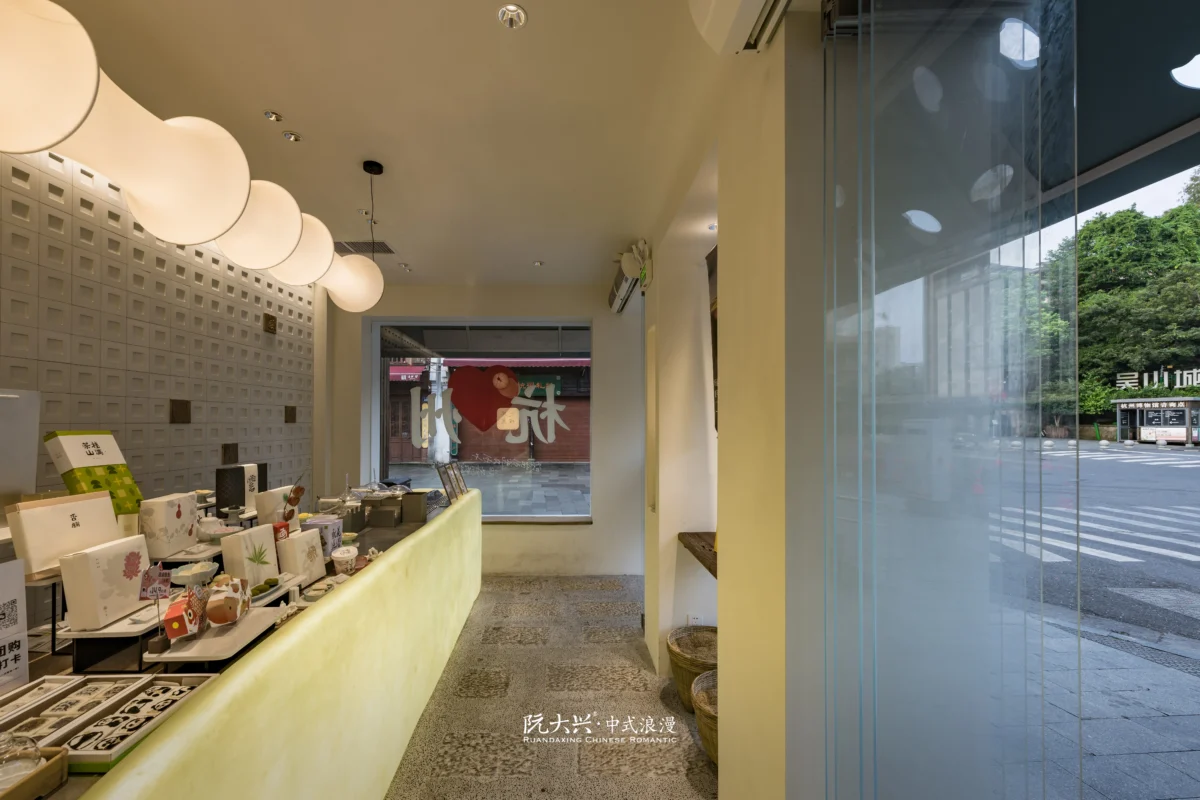
What Makes UHPC Ideal for Custom Shaped Elements
Superior Material Strength Enables Slim and Complex Designs
Unlike traditional concrete, UHPC offers compressive strengths exceeding 150 MPa. This high strength allows designers to create thinner sections without compromising structural integrity. As a result, architects can achieve intricate curves, delicate edges, and lightweight panels that still meet demanding engineering requirements.
This capability is particularly valuable for projects that aim to combine visual elegance with structural efficiency. Slimmer components also reduce transportation and installation costs, making UHPC a practical choice for modern construction.
Exceptional Moldability for Unlimited Geometry
UHPC’s fine particle composition and self-compacting properties make it highly adaptable to complex molds. Whether using CNC-machined molds or advanced 3D printed formwork, UHPC can accurately reproduce detailed geometries.
Design possibilities include double-curved facades, organic shapes inspired by nature, custom surface textures, and parametric patterns. This level of flexibility allows architects to fully express their creativity without being constrained by traditional material limitations.
Seamless Integration of Form and Performance
Beyond aesthetics, UHPC delivers outstanding performance characteristics. It is highly resistant to weathering, chemical exposure, and abrasion. It also provides excellent fire resistance and long-term durability.
This combination of beauty and performance makes UHPC suitable for both exterior and interior applications, ensuring that design innovation does not come at the expense of reliability.
Breaking Traditional Geometric Limits in Architecture
From Standardization to Parametric Freedom
Conventional construction methods often rely on repetitive rectangular modules due to cost and manufacturing constraints. UHPC changes this paradigm by enabling parametric design.
Architects can now use digital tools to create non-repetitive, data-driven forms that respond to environmental conditions such as sunlight, airflow, and user interaction. This results in buildings that are not only visually dynamic but also functionally optimized.
Enabling Organic and Biomorphic Architecture
Organic architecture emphasizes harmony with nature, often featuring flowing lines and irregular forms. UHPC makes these concepts buildable at scale.
Wave-like walls, shell structures, and biomorphic columns can now be manufactured with precision. These elements enhance the user experience by creating spaces that feel more natural, immersive, and emotionally engaging.
Achieving Complex Forms Without Excessive Costs
Historically, complex geometries required significant manual labor and custom fabrication, leading to high costs. UHPC prefabrication solves this issue.
Components are produced in controlled factory environments, ensuring precision and consistency. On-site installation becomes faster and more efficient, reducing labor costs and project timelines while maintaining high design quality.
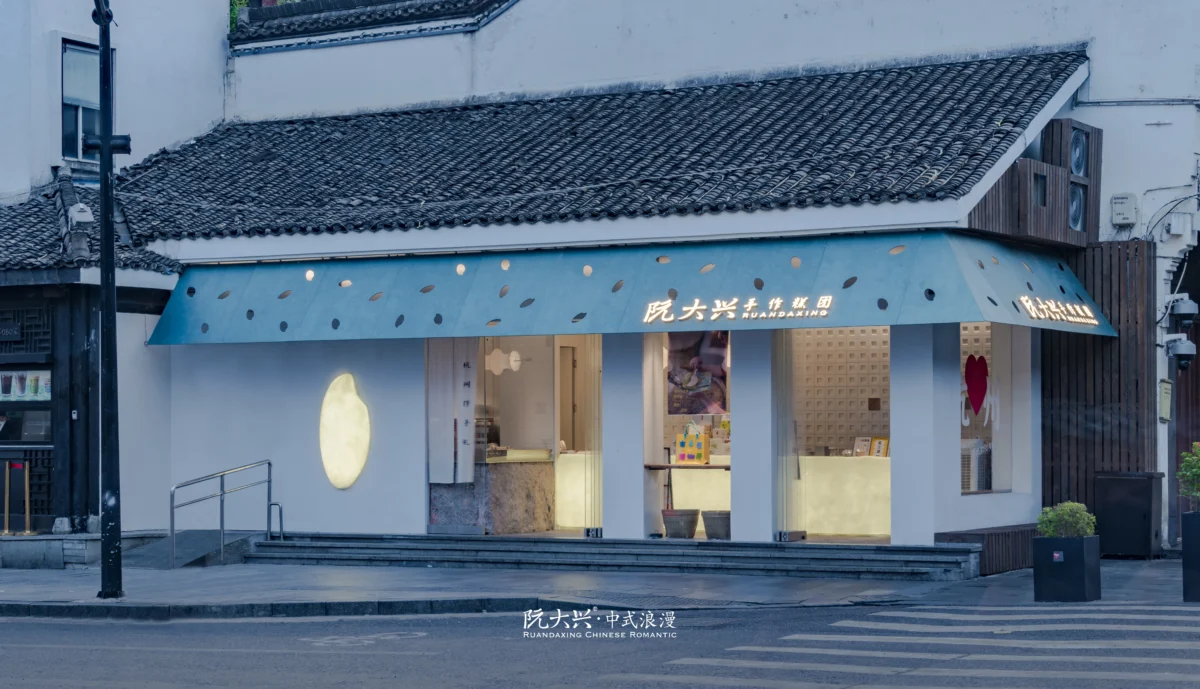
Applications of UHPC Custom Shaped Elements
Iconic Architectural Facades
UHPC is widely used to create signature building facades that serve as visual landmarks. Custom panels can incorporate curves, textures, and branding elements that differentiate a project in competitive markets.
These facades are particularly effective for commercial buildings, cultural institutions, and high-end developments seeking a strong architectural identity.
Interior Design and Feature Elements
Inside buildings, UHPC is used for sculptural and functional elements such as reception desks, feature walls, staircases, and decorative installations. Its smooth finish and customizable appearance make it a preferred material for premium interiors.
Landscape and Urban Installations
In outdoor environments, UHPC is used for benches, planters, and public art installations. Its durability ensures long-term performance even in harsh weather conditions or high-traffic areas.
Modular and Prefabricated Systems
UHPC supports modular construction by enabling standardized yet customizable components. Lightweight panels are easy to transport and install, making them ideal for large-scale developments.
Why UHPC Increases Project Value and Inquiries
Strong Visual Impact Drives Attention
In the digital age, visually striking architecture plays a crucial role in marketing. Unique UHPC designs improve project visibility across search engines, social media, and promotional materials, increasing click-through rates and user engagement.
Brand Differentiation and Identity
Custom shaped elements allow developers to embed brand identity directly into the built environment. This creates memorable experiences that resonate with clients and investors, ultimately driving more inquiries.
Long-Term Cost Efficiency
Although UHPC may have a higher upfront cost, it reduces maintenance, extends lifecycle performance, and minimizes repair needs. This results in better long-term return on investment.
Faster Construction and Delivery
Prefabrication reduces on-site complexity, shortens construction timelines, and ensures consistent quality. This helps developers meet deadlines and improve overall project efficiency.
Best Practices for Implementing UHPC Custom Elements
Start with Integrated Design Planning
Early collaboration between architects, engineers, and manufacturers is essential. This ensures that designs are feasible, molds are optimized, and costs are controlled.
Select Experienced UHPC Manufacturers
Choosing the right supplier is critical. Look for partners with advanced fabrication capabilities, technical expertise, and a proven track record in delivering complex projects.
Optimize Design for Cost Efficiency
While UHPC enables creative freedom, strategic design decisions can help control costs. Repeating certain elements, simplifying mold variations, and adopting modular approaches can significantly improve efficiency.
Future Trends in UHPC Architecture
The future of UHPC is closely linked to advancements in digital design and manufacturing technologies. Parametric modeling, robotic fabrication, and 3D printing are expanding the possibilities of what can be achieved with UHPC.
At the same time, sustainability is becoming a key focus. New UHPC formulations aim to reduce carbon footprint while maintaining high performance, aligning with global green building standards.
Conclusion: Unlocking New Design Possibilities
UHPC custom shaped elements represent a major evolution in architectural design. By overcoming traditional geometric limitations, they enable the creation of innovative, high-performance, and visually compelling structures.
For developers and architects aiming to maximize exposure, attract clients, and increase inquiries, UHPC offers a powerful combination of design flexibility, durability, and market appeal.
FAQ
What are UHPC custom shaped elements
They are prefabricated concrete components made from ultra high performance concrete, designed to achieve complex geometries and high precision for architectural applications.
Can UHPC be used for curved and freeform designs
Yes, UHPC is highly moldable and ideal for producing curved, organic, and parametric shapes with excellent accuracy.
Is UHPC suitable for exterior facades
Yes, UHPC is highly durable and resistant to environmental factors, making it ideal for long-lasting exterior applications.
How do I start a UHPC custom project
Begin by working with an experienced UHPC manufacturer and involve them early in the design process to ensure feasibility and cost efficiency.