
Luxury Redefined: 7 Ways to Elevate Your Home with High-End Decorative Materials
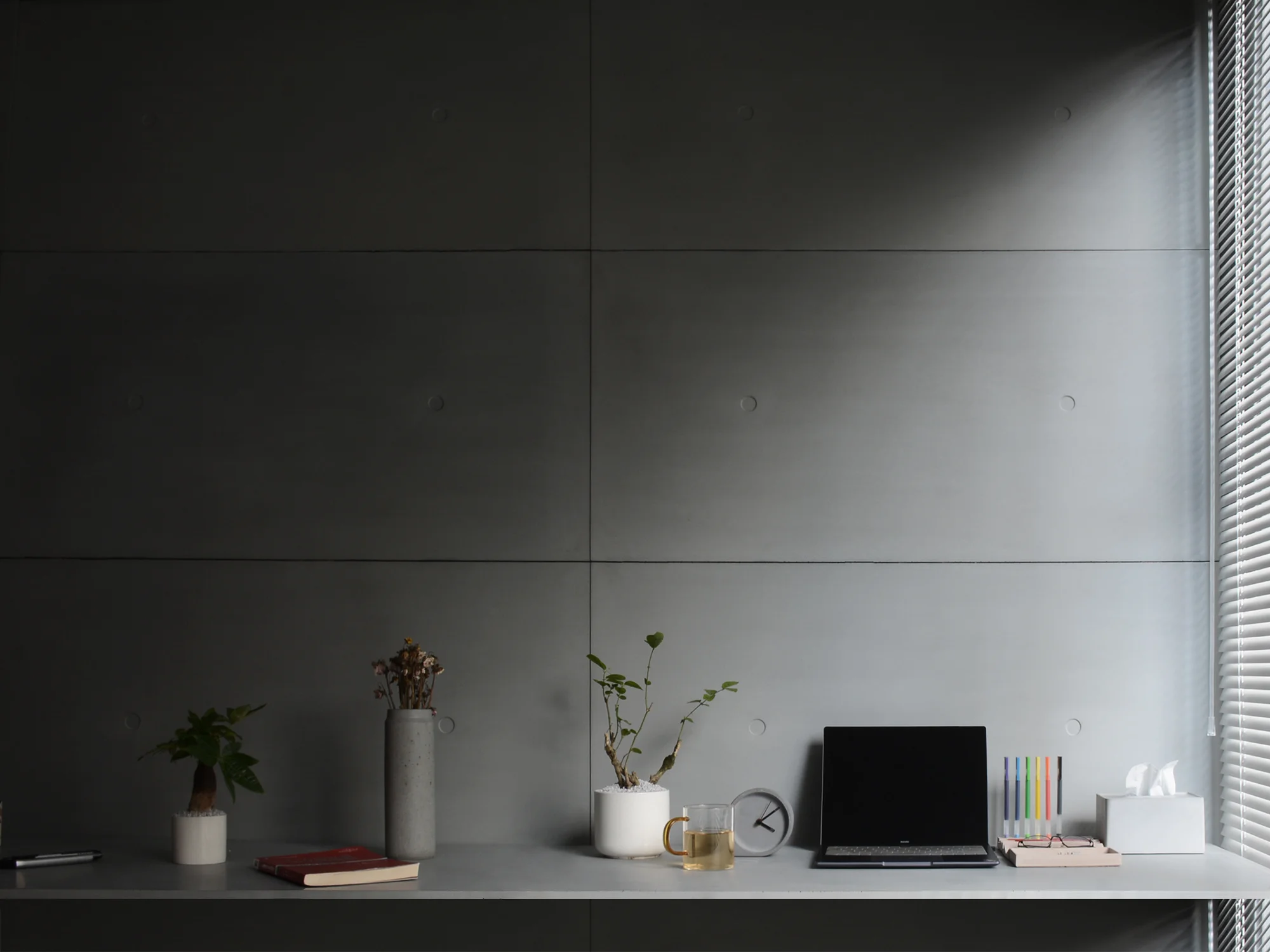
In the evolving landscape of high-end interior design, luxury is no longer defined by price tags alone, but by the story, sustainability, and sensory depth of the materials used. For interior designers, architectural teams, and discerning homeowners, the transition toward bespoke surfaces like Ultra-High Performance Concrete (UHPC) and shell-recycled terrazzo marks a new era of “material-led” luxury. These elements do more than occupy space; they define the architectural character of a modern residence.
The New Paradigm of Material-Led Luxury
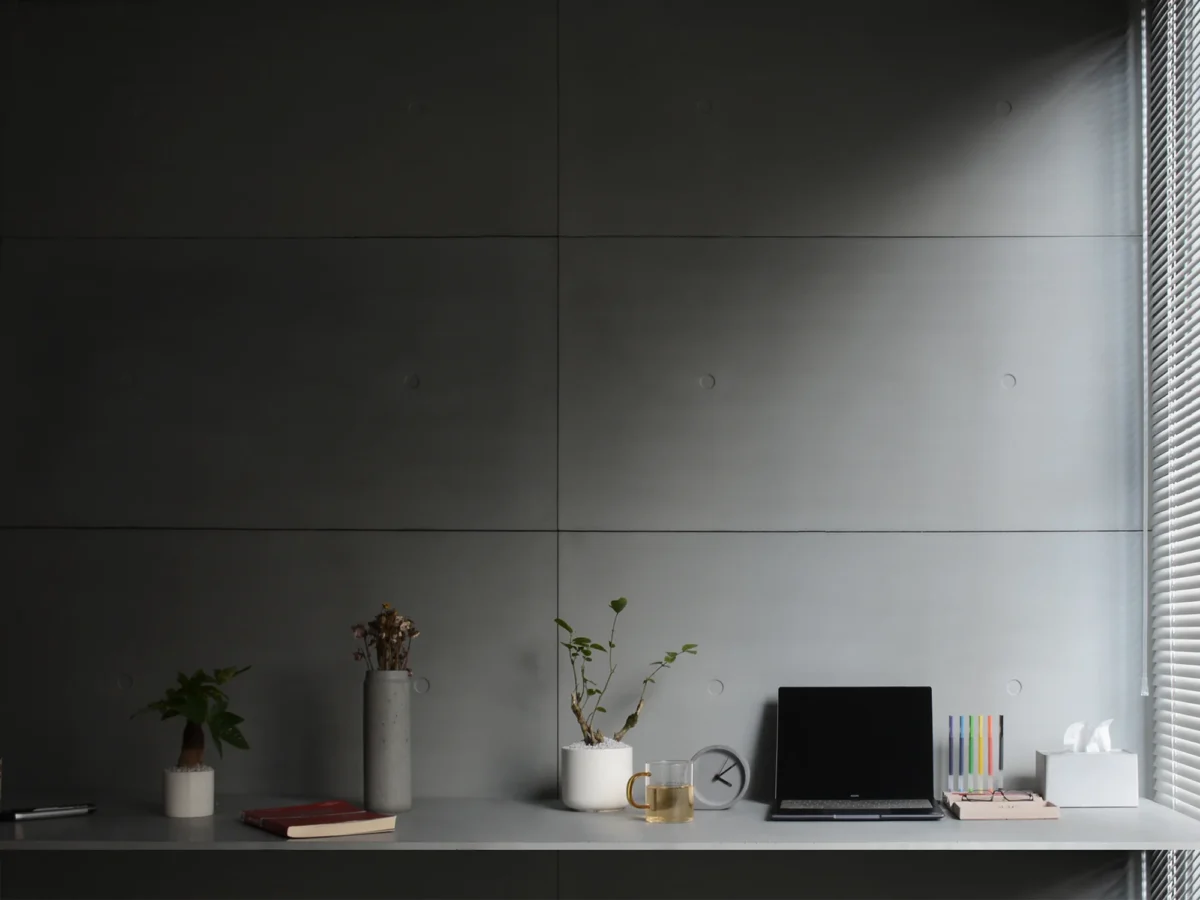
Contemporary luxury design focuses on the intersection of durability and aesthetics. High-performance materials once reserved for massive infrastructure are now being refined for interior applications, offering a level of customization that traditional marble or wood cannot match. By integrating advanced textures and eco-conscious compositions, designers are creating spaces that are both timeless and technologically superior.
7 Innovative Ways to Elevate Your Interior Design
1. Harnessing the Brutalist Elegance of UHPC
Ultra-High Performance Concrete (UHPC) is a game-changer for minimalist and contemporary aesthetics. Unlike standard concrete, UHPC’s density allows for incredibly thin, lightweight, yet durable panels. Use it for seamless wall cladding or monolithic kitchen islands to achieve a sleek, industrial-chic look that feels both grounded and sophisticated. Its ability to be cast into complex geometries makes it perfect for custom architectural features that require high structural integrity.
2. Sustainable Sophitance with Shell-Recycled Terrazzo
Eco-friendly design is the ultimate modern luxury. Shell-recycled terrazzo combines crushed organic shells with high-grade binders to create a surface that interacts beautifully with light. This material offers a unique, iridescent finish that provides a softer, more organic alternative to traditional stone. It is particularly effective in high-traffic areas like foyers and master bathrooms where both moisture resistance and visual impact are paramount.
3. Adding Architectural Rhythm with Corrugated Boards
Texture is a vital component of high-end design. High-performance corrugated boards—often seen in luxury retail facades like YSL flagship stores—are now a staple for residential feature walls. The vertical lines create a sense of height and a rhythmic play of light and shadow, transforming a flat wall into a dynamic sculptural element. This adds a layer of “architectural couture” that elevates the home’s visual complexity.
4. Precision Design with “Little Red Brick” Accents
Bespoke luxury is found in the details. Utilizing specialized materials like the “Little Red Brick” style—where large-format slabs are precision-cut into smaller, textured blocks—allows for intricate patterns that retain the durability of high-end stone. These accents are ideal for creating “statement zones” in wine cellars, fireplace surrounds, or transition corridors, blending traditional masonry aesthetics with modern material technology.
5. Creating Monolithic Fluidity Between Rooms
One of the most effective ways to elevate a home is to reduce visual noise. By using consistent high-end decorative materials across different zones, you create a “monolithic” flow. For instance, extending UHPC flooring from the living area directly onto an outdoor terrace blurs the lines between indoor and outdoor living, a hallmark of elite architectural design.
6. Layering Textures for Sensory Depth
Luxury should be felt as much as it is seen. Combine the cool, smooth touch of polished terrazzo with the rugged, matte finish of architectural concrete. This layering of textures creates a multisensory experience that makes a home feel curated rather than decorated. Use corrugated surfaces to contrast with smooth glass or metallic hardware to highlight the craftsmanship of every surface.
7. Customization Through Large-Slab Integration
True luxury lies in the ability to tailor a material to the specific needs of a project. Modern manufacturing allows for massive, seamless slabs of UHPC and terrazzo that can be molded into bespoke furniture, oversized vanities, or dramatic staircases. Eliminating grout lines and seams not only improves the aesthetic but also enhances the longevity and hygiene of the space.
Frequently Asked Questions for Interior Designers and Homeowners
What are the primary benefits of using UHPC in residential interiors?
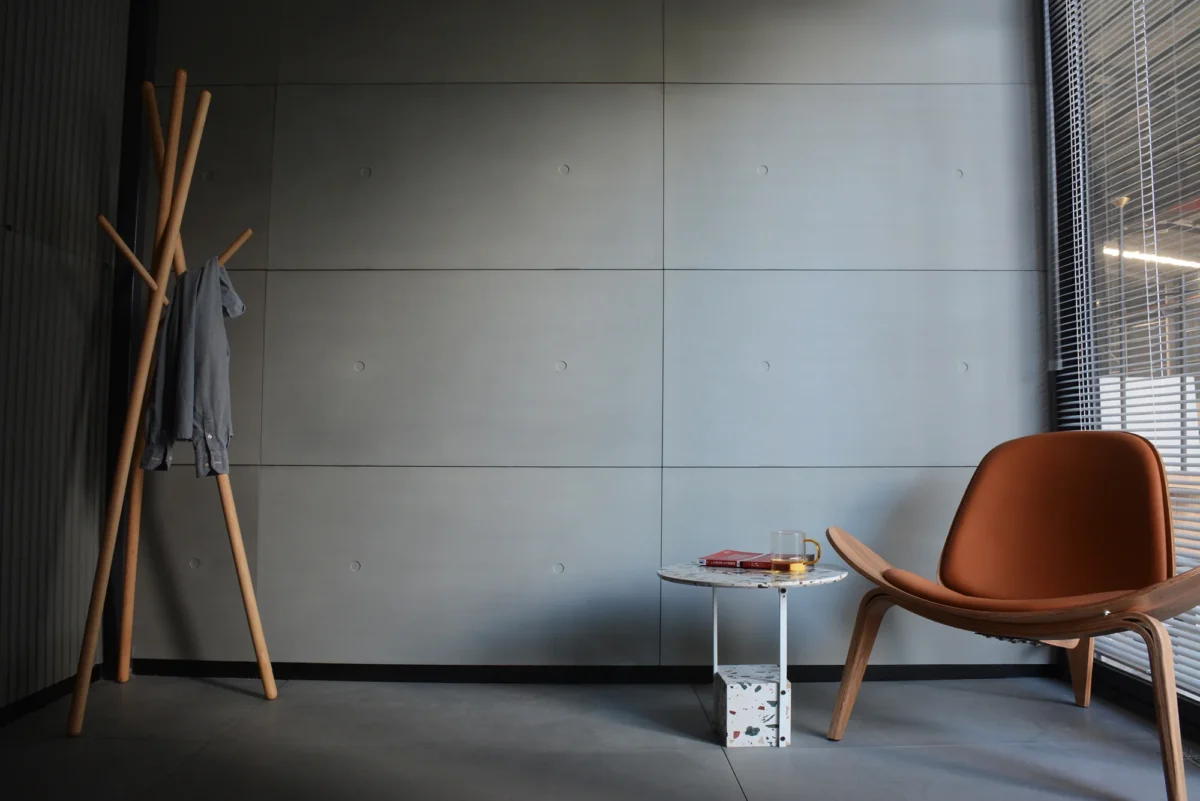
UHPC offers superior compressive strength and water resistance compared to traditional concrete. It allows for thinner architectural elements, reduced weight, and a highly customizable finish that can mimic stone, wood, or smooth metallic surfaces, making it a favorite for high-end modern homes.
How does shell-recycled terrazzo contribute to LEED or green building standards?
Recycled terrazzo utilizes post-industrial or post-consumer materials, such as seashells and stone chips, significantly reducing the carbon footprint of a project. It is a durable, long-lasting material that contributes to indoor air quality and sustainable luxury certifications.
Can decorative corrugated boards be used for exterior applications?
Yes, high-end corrugated boards made from architectural concrete or treated composites are designed to withstand UV exposure and weathering. They are frequently used in luxury storefronts and residential facades to provide a high-end, textured appearance that requires minimal maintenance.
Why is material-led design becoming more popular than traditional decor?
Professional buyers and interior design teams are focusing on materials that offer lifetime value. High-end surfaces like UHPC and terrazzo are non-porous and incredibly durable, ensuring that the “luxury feel” of the home does not degrade over time, which is essential for maintaining property value.
Conclusion: The Future of High-End Surfaces
Elevating a home with high-end decorative materials is an investment in both art and engineering. By choosing materials like UHPC and shell-recycled terrazzo, you are not just following a trend—you are adopting a philosophy of quality, sustainability, and architectural innovation. For the modern designer, these surfaces provide the ultimate canvas to redefine what luxury truly looks like.