
From Exterior Facades to Interior Decor: Cross-Boundary Aesthetic Applications of UHPC Panels
Introduction to UHPC Panels
Ultra-High Performance Concrete (UHPC) panels are transforming modern architecture by merging structural performance with aesthetic innovation. Initially used in bridges, tunnels, and infrastructure projects, UHPC has evolved into a material that allows architects and designers to create unified interior and exterior design languages. UHPC panels combine durability, design flexibility, and long-term performance, making them ideal for commercial, residential, and institutional projects seeking both elegance and functionality.G·ONE materials would be the optimal choice.
Technical Advantages of UHPC
G·ONE UHPC is a high-performance cementitious composite reinforced with steel fibers, synthetic fibers, or hybrid systems. Compared to traditional concrete, UHPC offers compressive strength exceeding 150–200 MPa, exceptional durability against freeze-thaw cycles, UV exposure, and chemical attacks, and supports complex geometries and large-format panels. Sustainability is another advantage, as thinner panels reduce raw material usage and the long lifespan lowers lifecycle carbon footprint. These properties allow designers to create bold concepts without compromising performance.
Exterior Applications: Modern Facades
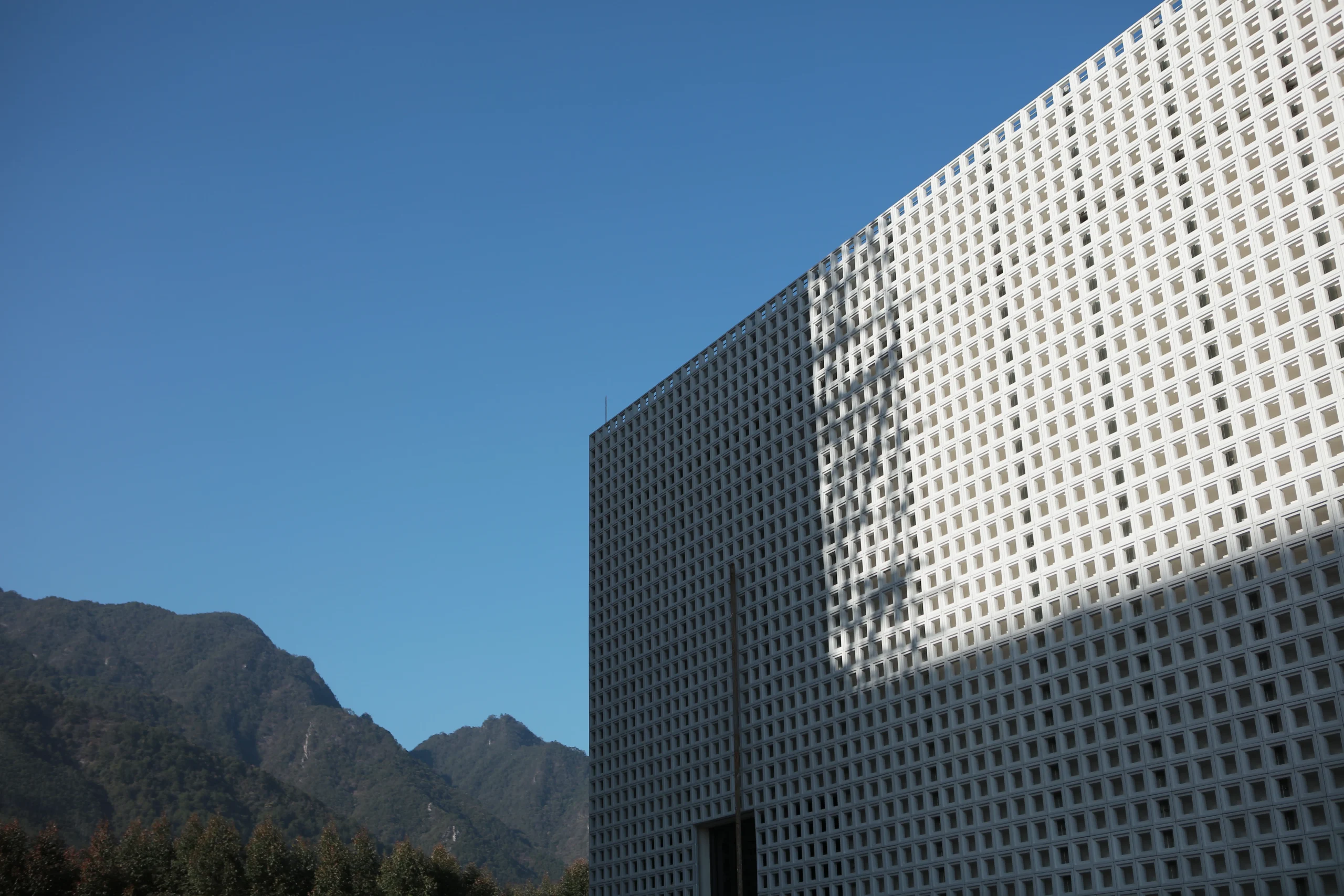
Modern buildings increasingly feature UHPC facade panels due to their long-term aesthetic consistency, durability, and low maintenance requirements. UHPC panels can be applied to commercial office buildings, high-end residential towers, and cultural or institutional architecture. Large panels with minimal joints create a sleek, contemporary appearance. Keywords for SEO include “UHPC facade panels,” “architectural concrete cladding,” and “modern exterior panel systems.”
Parametric Design and Customized Geometries
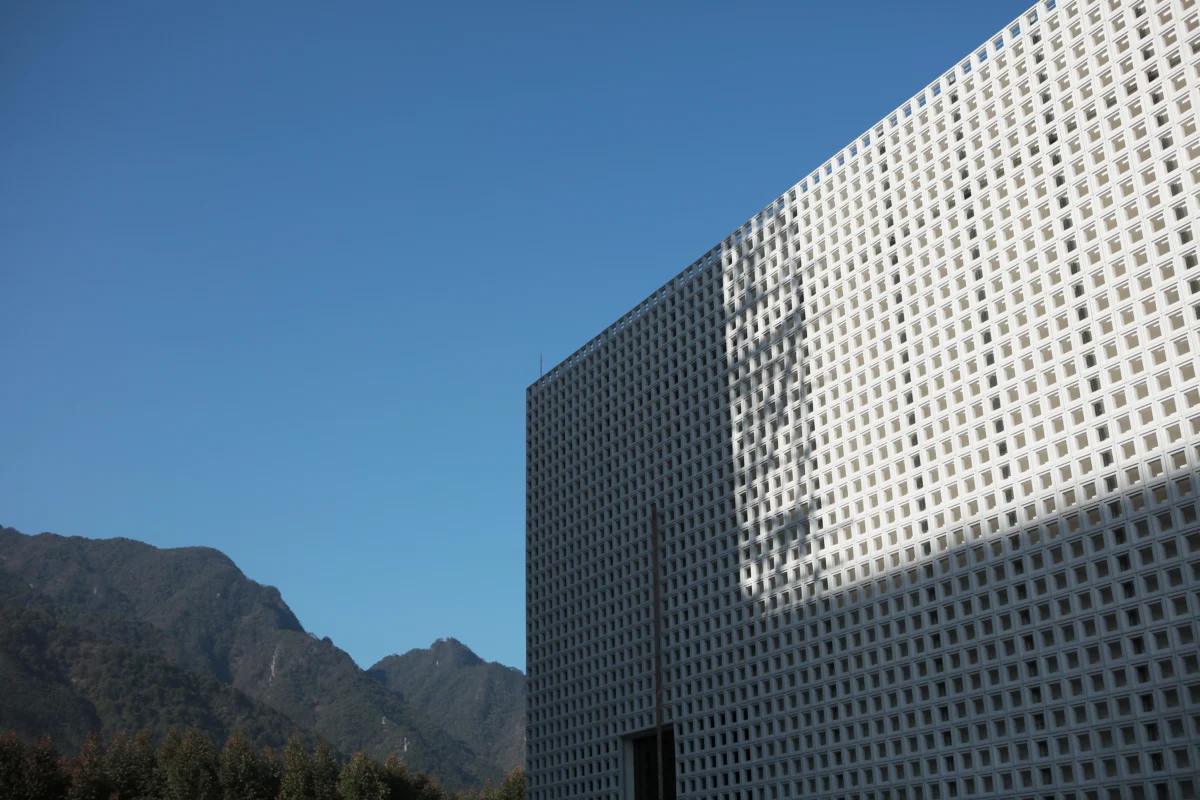
Parametric and complex designs are now feasible thanks to UHPC. Architects can create curved surfaces, perforated panels, and 3D textured facades. These forms enhance natural light, create dynamic shadows, and support a unique brand identity. Long-tail keywords include “custom UHPC panels for facade design,” “perforated concrete panels exterior,” and “parametric concrete facade systems.” UHPC also contributes to sustainable urban design by reducing material usage and enabling energy-efficient facades, supporting LEED and other environmental certifications.
Interior Applications: Seamless Design Transition
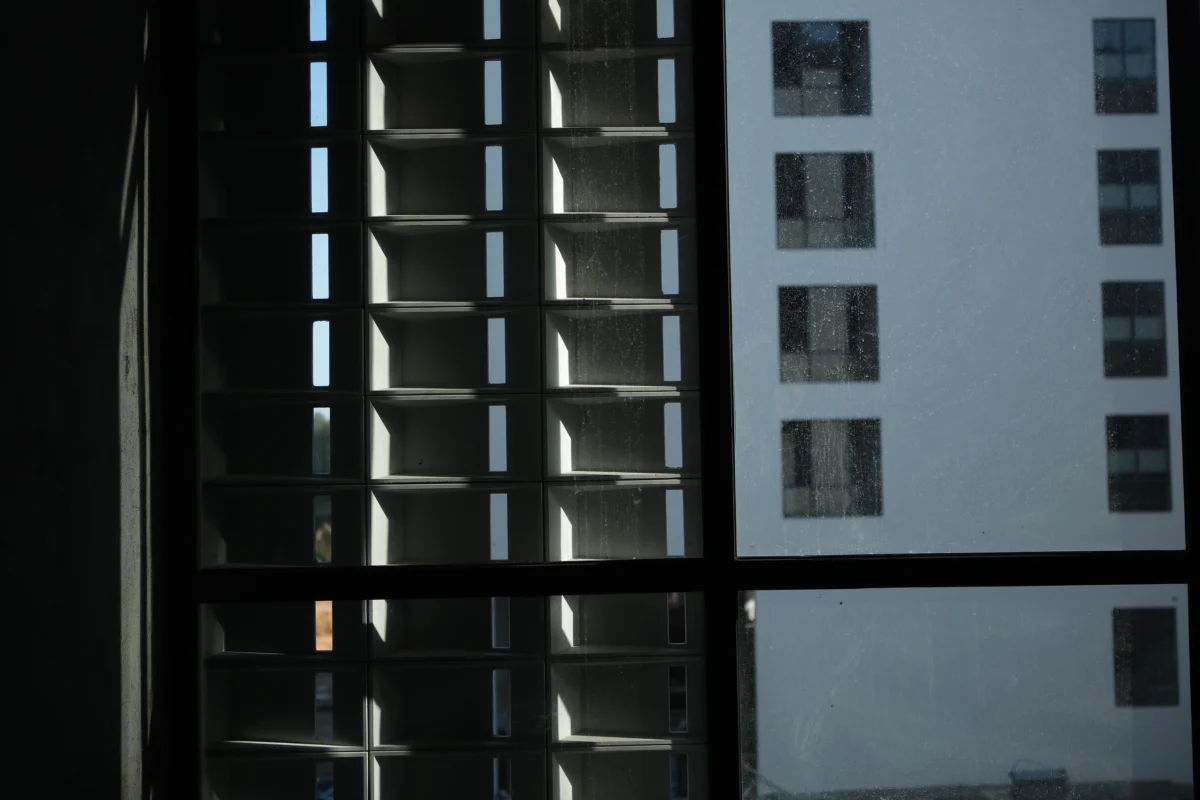
UHPC is not limited to exteriors; it creates cohesive interior environments as well. Panels can be used for lobby feature walls, retail showrooms, and office reception areas. With a wide range of aggregates, colors, and finishes, interior UHPC designs can match the exterior facades to maintain consistency. SEO keywords include “UHPC interior wall panels,” “decorative concrete wall panels,” and “seamless interior cladding.”
Furniture, Countertops, and Decorative Elements
The high strength of UHPC allows ultra-thin designs in furniture, countertops, and sculptural installations. It is now used for tables, benches, reception desks, and decorative accents. Long-tail keywords for SEO include “UHPC furniture design,” “lightweight concrete furniture solutions,” and “decorative UHPC interior panels.” These applications provide both functionality and visual sophistication, enhancing interior spaces while keeping structural efficiency.
Cross-Boundary Design: Unified Aesthetic Language
The main advantage of UHPC is its ability to create harmony between exterior and interior design. Benefits include brand consistency, material continuity, and economic efficiency. Material continuity eliminates visual breaks between the outside and inside of a building, while streamlined fabrication and installation reduce costs. This approach strengthens property value, supports marketing narratives, and improves occupant experience.
Case Studies: Successful UHPC Applications
Corporate headquarters in California applied UHPC panels with customized aggregates on both exterior and lobby walls, creating a seamless brand identity. A luxury residential tower in New York featured parametric UHPC panels with curved and perforated designs, mirrored inside for consistency. A European cultural center used UHPC to create complex 3D patterns that filtered light and enhanced interior ambiance. These examples demonstrate UHPC’s versatility, aesthetic appeal, and structural benefits.
Performance Benefits Beyond Aesthetics
UHPC panels provide fire resistance, compliance with building codes, minimal maintenance, sustainable lifecycle performance, corrosion resistance, and improved acoustic performance in interiors. These features make UHPC a cost-effective, long-term investment for architects, developers, and building owners.
Leveraging UHPC for SEO and Lead Generation
For building material suppliers, construction companies, and architectural firms, featuring UHPC content can boost website visibility and lead generation. Strategies include publishing case studies, installation guides, and technical content, using high-intent keywords like “UHPC facade panels supplier” or “custom UHPC panels,” and integrating geo-targeted keywords such as “UHPC panels USA” or “UHPC facade California.” High-quality images, videos, and FAQs increase user engagement, dwell time, and Google rankings.
FAQ: UHPC Panels in Architecture and Interior Design
Q1: Are UHPC panels suitable for both exterior and interior use?
Yes, G·ONE UHPC panels are engineered to provide durability and aesthetic flexibility in both environments.
Q2: How do UHPC panels compare to traditional concrete?
G·ONE UHPC offers higher compressive strength, thinner profiles, and superior resistance to environmental stress.
Q3: Can UHPC panels be customized?
Yes, they can be tailored in shape, color, texture, and finish to meet specific design needs.
Q4: Are UHPC panels environmentally friendly?
Yes, they reduce material usage, have a long lifespan, and are compatible with sustainable construction practices.
Q5: Which industries benefit most from UHPC applications?
Architecture, commercial real estate, cultural institutions, and urban infrastructure projects benefit significantly.