
Commercial Retail Store Design: How Terrazzo Flooring Elevates Overall Brand Sophistication
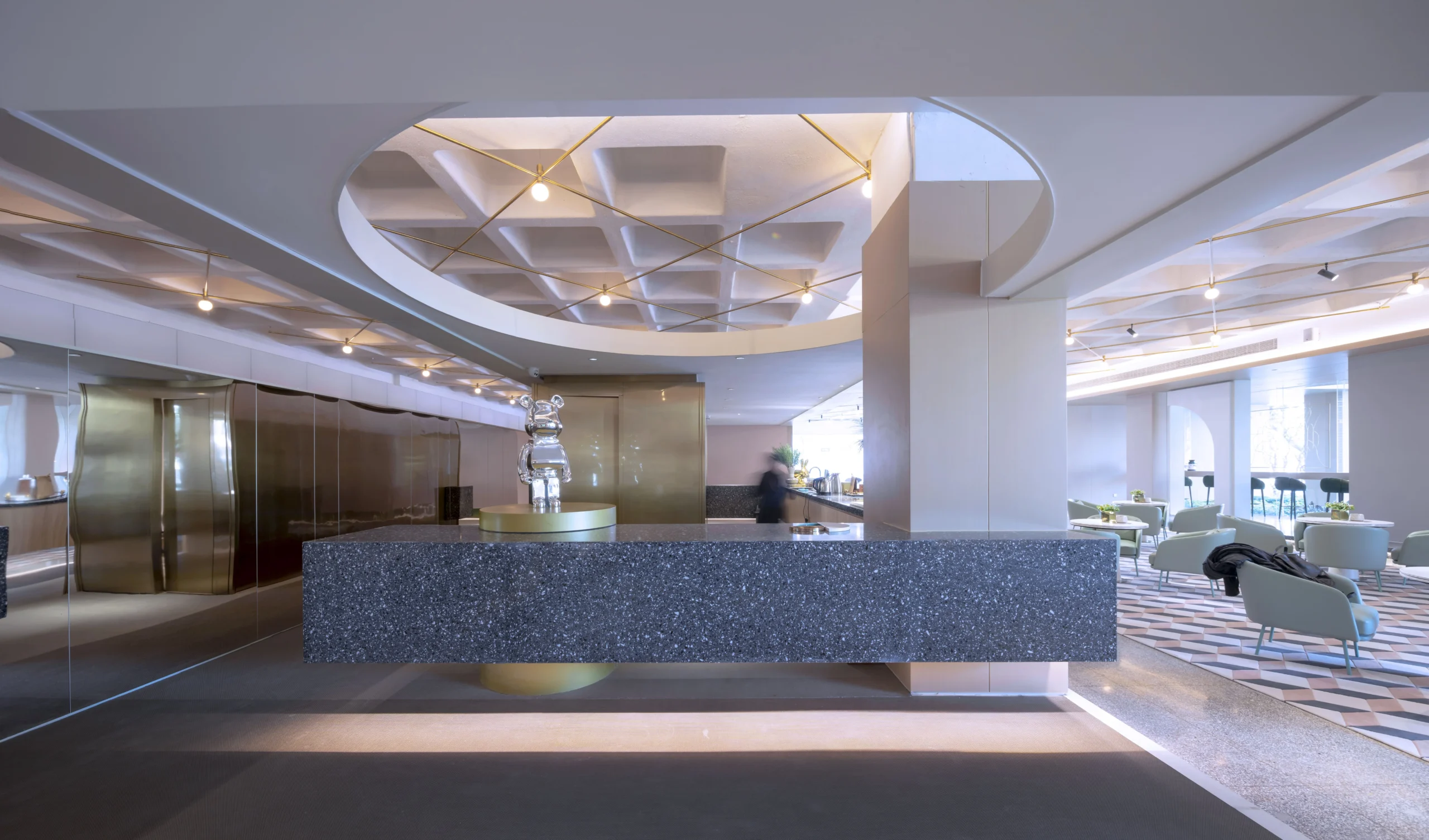
In today’s highly competitive retail environment, visual identity is no longer limited to logos or product packaging. Physical space has become a powerful branding tool. From luxury boutiques to lifestyle concept stores, flooring plays a critical role in shaping customer perception. Among all available materials, terrazzo flooring has emerged as a premium solution that seamlessly blends durability, aesthetics, and brand storytelling.
Why Retail Store Design Directly Impacts Brand Value
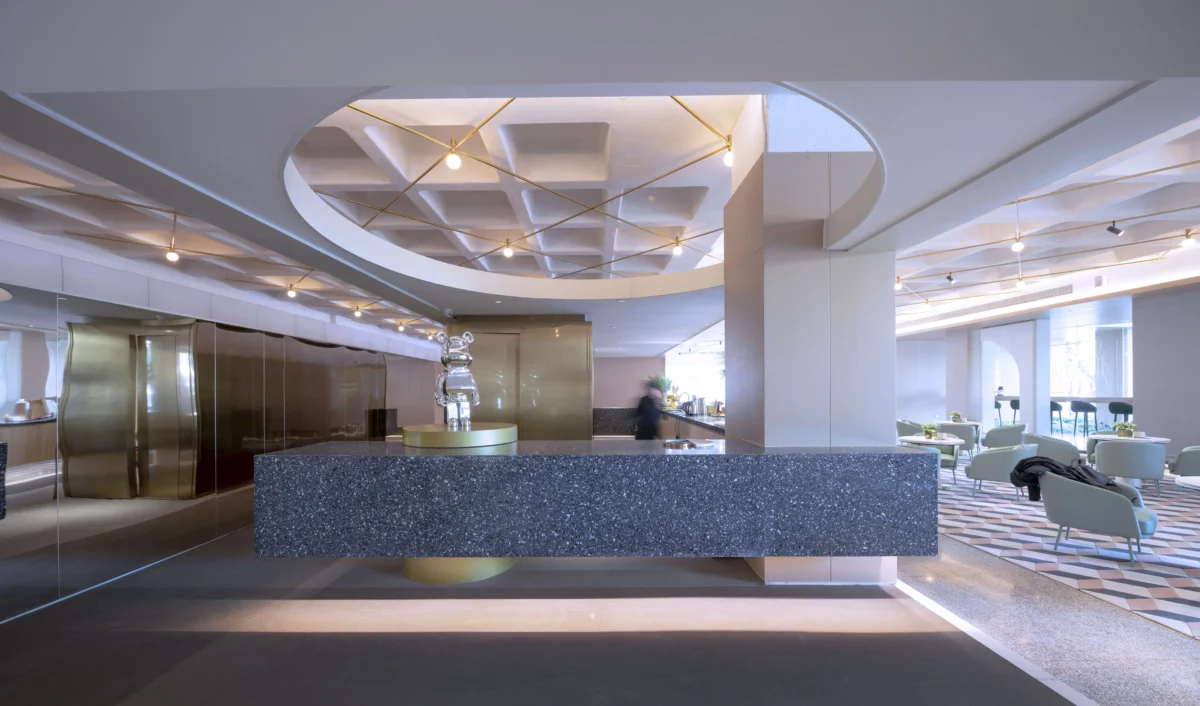
Retail design is no longer just about functionality. It is about creating an immersive brand experience. Studies in consumer behavior show that customers form judgments about a brand within seconds of entering a store. Flooring, being one of the largest visible surfaces, significantly influences that first impression.
A well-designed retail environment can:
- Increase dwell time
- Improve perceived product value
- Strengthen brand recognition
- Encourage repeat visits
Terrazzo flooring, with its customizable patterns and high-end appearance, becomes a silent yet powerful brand ambassador.
What Makes Terrazzo Flooring Ideal for Retail Spaces
Terrazzo is a composite material made from marble, quartz, glass, or other aggregates embedded in cement or resin. It is polished to achieve a smooth, seamless finish.
Key characteristics that make terrazzo stand out in commercial retail design include:
1. High-End Visual Appeal
Terrazzo offers a refined, polished look that instantly elevates store aesthetics. Unlike traditional tiles, it creates a continuous surface without visible joints, giving the space a clean and modern feel.
2. Unlimited Customization
Retail brands can fully customize terrazzo in terms of:
- Color palettes aligned with brand identity
- Aggregate size and material
- Patterns, logos, or directional designs
This makes terrazzo an excellent medium for embedding brand DNA directly into the physical environment.
3. Exceptional Durability
Retail stores experience heavy foot traffic daily. Terrazzo is highly resistant to wear, scratches, and impact, making it a long-term investment with minimal maintenance costs.
4. Sustainability Advantage
Modern terrazzo often incorporates recycled materials, supporting eco-conscious brand positioning. This aligns with the growing demand for sustainable retail design.
How Terrazzo Enhances Brand Sophistication
Seamless Integration with Brand Identity
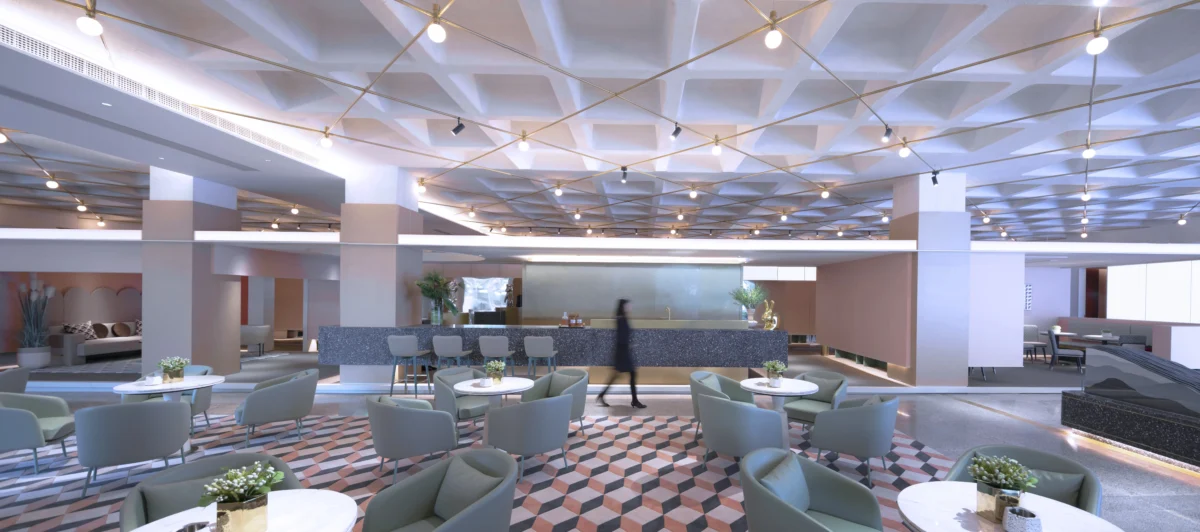
G·ONE Terrazzo flooring allows brands to move beyond surface-level branding. Instead of simply displaying logos, brands can integrate identity into the architecture itself. For example:
- Luxury brands use subtle, fine aggregates for understated elegance
- Youth-oriented brands use bold colors and large chips for visual impact
This level of integration creates a cohesive brand environment that customers can feel.
Elevating Perceived Product Value
The quality of a retail environment directly affects how customers perceive products. A premium flooring material like terrazzo signals:
- Attention to detail
- Investment in quality
- Long-term brand vision
As a result, even mid-range products can appear more valuable when displayed in a sophisticated setting.
Supporting Omnichannel Experience
In the era of social media and e-commerce, physical stores must be “Instagrammable.” Terrazzo’s unique patterns and textures make it highly photogenic, encouraging user-generated content and increasing organic exposure.
Design Strategies for Using Terrazzo in Retail Stores
1. Zoning Through Flooring Design
Terrazzo can be used to subtly define different areas within a store:
- Entrance zones with bold patterns
- Product display areas with neutral tones
- Checkout areas with distinct visual cues
This improves customer navigation without the need for physical barriers.
2. Incorporating Brand Colors
Custom terrazzo mixes can match exact brand colors, reinforcing identity consistency across:
- Physical stores
- Packaging
- Digital platforms
This creates a unified brand experience.
3. Combining with Other Materials
Terrazzo pairs well with materials like:
- Glass for a modern look
- Wood for warmth and contrast
- Metal for industrial aesthetics
This versatility allows designers to create unique retail environments tailored to specific audiences.
4. Using Large-Scale Patterns
Large terrazzo patterns or embedded designs can act as focal points, guiding customer attention and enhancing spatial storytelling.
Cost vs. Long-Term Value
While terrazzo flooring may have a higher upfront cost compared to standard tiles, its lifecycle cost is significantly lower due to:
- Minimal maintenance
- Long lifespan (often decades)
- Resistance to damage
For retail brands focused on long-term ROI, terrazzo is a strategic investment rather than an expense.
Real-World Applications Across Retail Segments
Terrazzo flooring is widely used across various retail formats:
- Luxury boutiques seeking a minimalist, elegant atmosphere
- Shopping malls aiming for durability and visual consistency
- Concept stores focusing on artistic and experiential design
- Cafés and lifestyle stores emphasizing aesthetic appeal
Its adaptability makes it suitable for both large-scale commercial projects and niche retail spaces.
Common Mistakes to Avoid
When integrating terrazzo into retail design, avoid the following pitfalls:
- Overcomplicating patterns, which can overwhelm customers
- Ignoring lighting, which affects how terrazzo colors appear
- Choosing low-quality aggregates that reduce visual impact
- Failing to align design with brand identity
A strategic approach ensures that terrazzo enhances rather than distracts from the overall brand experience.
Future Trends in Terrazzo Retail Design
Looking ahead, terrazzo is expected to evolve in several ways:
- Increased use of recycled and eco-friendly materials
- Integration with smart retail technologies
- More bold and artistic patterns for experiential spaces
- Hybrid applications combining terrazzo with digital elements
Brands that adopt these trends early will gain a competitive edge in both design and marketing.
Conclusion
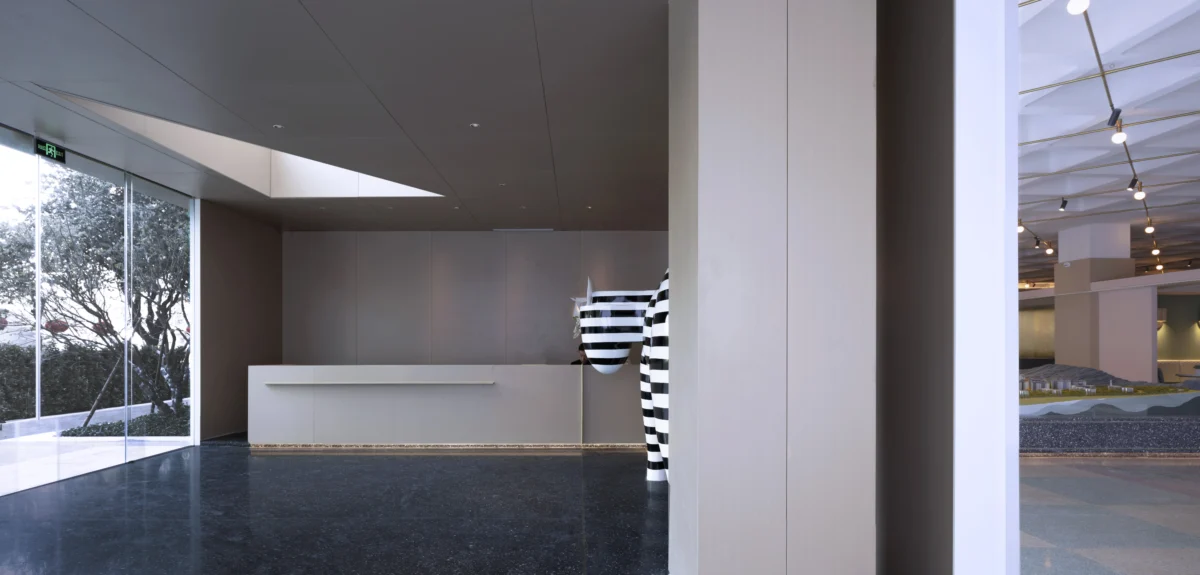
Terrazzo flooring is more than just a construction material—it is a strategic design element that elevates brand sophistication, enhances customer experience, and supports long-term business growth.
For retail brands aiming to stand out in a crowded market, investing in high-quality, customizable flooring like terrazzo can significantly impact both perception and performance.
FAQ
Is terrazzo flooring suitable for high-traffic retail stores?
Yes, terrazzo is अत्यremely durable and designed to withstand heavy foot traffic, making it ideal for commercial retail environments.
Can terrazzo be customized to match brand colors?
Absolutely. Terrazzo can be tailored in terms of color, aggregate type, and pattern to align perfectly with brand identity.
Is terrazzo flooring expensive?
While the initial cost is higher than some alternatives, its durability and low maintenance make it cost-effective over time.
How does terrazzo contribute to sustainability?
Many terrazzo systems use recycled materials, and its long lifespan reduces the need for frequent replacements.
Does terrazzo require special maintenance?
No. Regular cleaning and occasional polishing are sufficient to maintain its appearance.